
Last updated: 23 July 2026, 12:08 BST
Diplomatic desks in Tehran have emptied again as the latest round of US-Iran fighting spreads fresh uncertainty across the Middle East. Britain has temporarily withdrawn its remaining embassy staff from Iran, while keeping the mission operating remotely, and the Foreign Office has tightened or refreshed travel warnings across several countries. The move comes amid repeated US strikes, Iranian retaliation and renewed concern over attacks on shipping, military-linked sites and regional infrastructure.

The Story at a Glance
The Foreign, Commonwealth & Development Office said UK staff had been temporarily withdrawn from Iran because of the security situation, while the British embassy continues to work remotely. The FCDO also advises against all travel to Iran and warns that British and British-Iranian dual nationals face a significant risk of arrest, questioning or detention.
The withdrawal comes as the US campaign against Iran continues. The Independent reported a twelfth consecutive night of US strikes, including the reported deployment of B-1 long-range bombers. At the same time, Houthi attacks on two Saudi oil tankers and threats surrounding the Strait of Hormuz have increased concern that the conflict could affect energy supplies and shipping routes far beyond Iran itself.
How the Story Developed
The current escalation follows an earlier attempt to halt the fighting. According to Travel Weekly, the US and Iran signed a Memorandum of Understanding in June aimed at stopping military operations, reopening the Strait of Hormuz and working towards ending the war within 60 days.
That pause did not hold. Three weeks after the agreement, Donald Trump declared the ceasefire over following Iranian attacks on ships in Hormuz and subsequent US strikes. The FCDO says strikes and retaliatory attacks have taken place across the region since 8 July, including attacks in Bahrain against US military and civilian infrastructure.
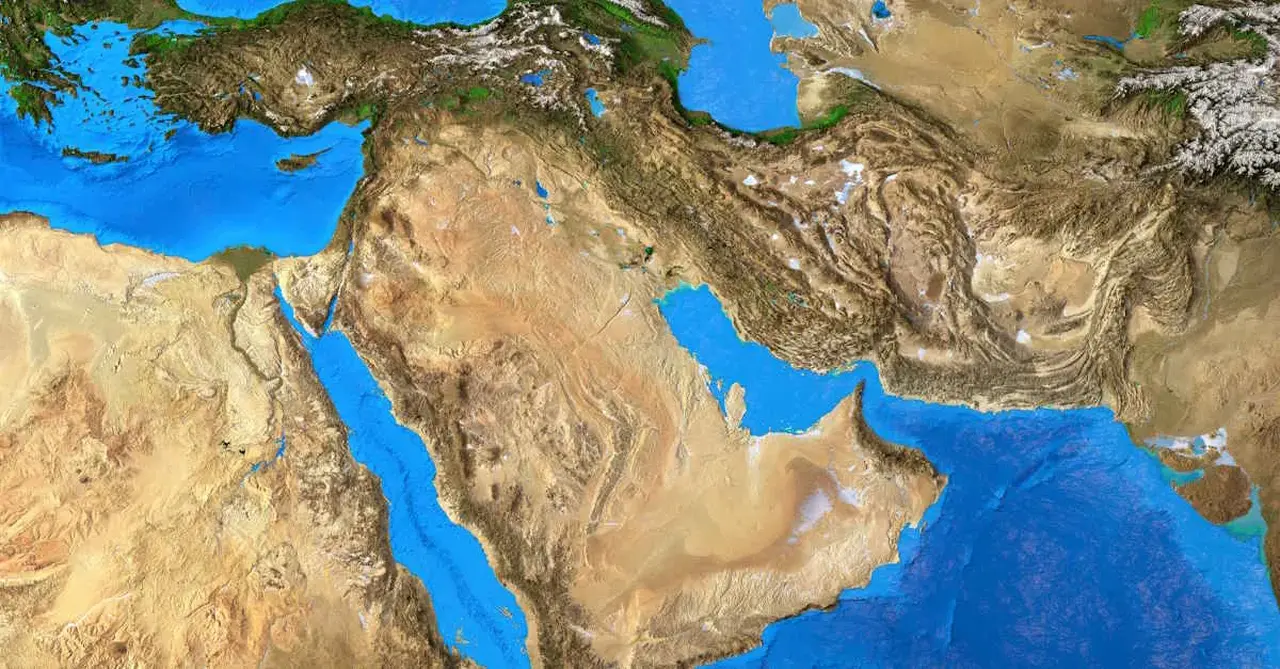
Britain then temporarily removed its remaining personnel from Iran. Separate reporting says the UK had already withdrawn embassy staff in June after renewed Israeli strikes on Iran. The latest step leaves the embassy functioning remotely rather than closing the diplomatic mission entirely.
Travel advice has also shifted. British nationals have been advised against all but essential travel to Bahrain and Kuwait, with warnings about flight cancellations, disruption and sudden airspace closures. Updated FCDO notices also cover Cyprus, Turkey, Jordan, Oman, Qatar, Saudi Arabia and several other destinations.
Key People and Details
Donald Trump remains central to the next phase of the conflict. His threats to strike Iranian infrastructure in response to attacks on shipping have been met by increasingly direct warnings from Tehran. Iranian parliament Speaker Mohammad Bagher Ghalibaf said that if Iran could not sell oil, no one would sell oil, while President Masoud Pezeshkian said the Iranian people would not surrender to threats.
For British nationals, the most immediate issue is the FCDO warning on Iran. The department says having a British passport or links to the UK can itself create a risk of detention. British couple Craig Foreman and Lindsay Foreman, detained while travelling through Iran during a round-the-world motorbike trip, are serving 10-year sentences for spying, charges they deny. Their family said Craig Foreman had received an additional two-year sentence for speaking to the media.

The UAE is a notable exception to the tighter warnings. The FCDO removed its advice against all but essential travel to the UAE on 18 June, and that position had not changed as of 20 July. Commercial flights from the UAE to the UK have resumed, although travellers are still warned that the regional security situation is unpredictable and attacks could restart at short notice.
Reaction and Response
Regional governments and militaries are preparing for further escalation. Israeli officials cited by Ynetnews said Israel was monitoring decisions in Washington closely and preparing for either expanded US strikes or another diplomatic pause. Iran, meanwhile, has issued threats involving energy infrastructure in countries hosting US-linked military facilities.
The practical response from London has focused on reducing exposure. Embassy personnel have been removed from Iran, travel warnings have been updated, and British travellers across the region are being urged to monitor official advice, follow local authorities and keep travel documents and departure plans current.
What to Watch
The next major question is whether US strikes expand further and trigger a broader Iranian response. Shipping through the Strait of Hormuz is another pressure point because attacks there can affect regional security, commercial routes and oil supply.
British travellers should also watch for further FCDO changes. Advice can alter quickly if attacks spread, airspace closes or commercial flights are disrupted. For anyone already in Iran, the government position is much firmer: the FCDO advises against all travel and tells British nationals already there to consider carefully the risks of remaining.
FAQ
Why has the UK withdrawn embassy staff from Iran?
The Foreign Office says UK staff were temporarily withdrawn because of the security situation as US-Iran fighting and regional attacks intensified. The embassy continues to operate remotely.
Does the UK advise against travel to Iran?
Yes. The FCDO advises against all travel to Iran and warns that British and British-Iranian nationals face a significant risk of arrest, questioning or detention.
Are Bahrain and Kuwait affected by new UK travel warnings?
Yes. British nationals have been advised against all but essential travel to Bahrain and Kuwait amid risks of further attacks, flight disruption and airspace closures.
Is it still possible for Britons to travel to Dubai and Abu Dhabi?
The FCDO had not reinstated its previous warning against non-essential travel to the UAE as of 20 July. Commercial flights to the UK had resumed, but travellers are advised to monitor updates because the regional situation can change quickly.
What could happen next in the US-Iran conflict?
The key developments to watch are whether US strikes expand, whether Iran responds against regional targets or shipping, and whether renewed diplomacy produces another pause in fighting.