
Global energy markets surged as Brent crude spiked by 4.3% to $87.70 (£65.98) a barrel following a sudden collapse in the brief Middle East ceasefire. The sudden price jump came after US Central Command (Centcom) confirmed that American and Saudi fighter jets carried out targeted strikes across eastern Iraq in direct retaliation for Iranian-directed proxy attacks.
What People Are Searching For
Readers and market analysts are searching for answers following the rapid breakdown of a three-day lull in fighting. The primary query centers on whether a broader regional war is now inevitable, particularly after Saudi Arabia officially participated in offensive military action inside Iraq for the first time since the current war began. Search interest has also spiked regarding the security of international shipping lanes through the Strait of Hormuz and the impact on global fuel prices.
What Is Confirmed
Multiple military statements confirm that the brief pause in hostilities has formally ended with significant military actions across three countries:
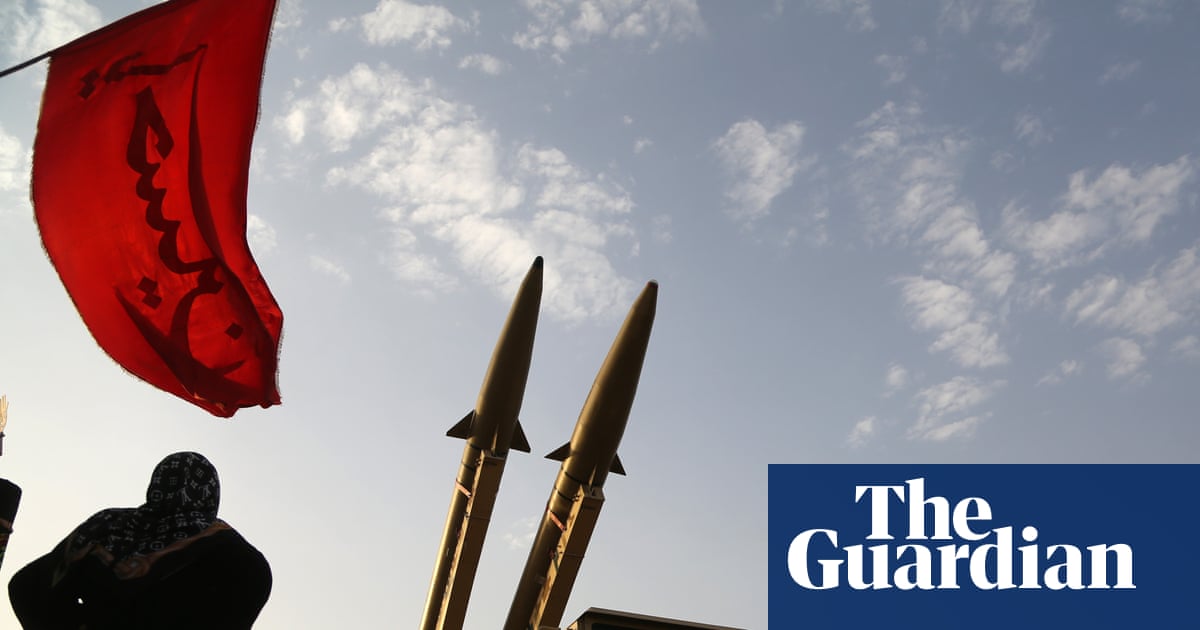
- Iranian Missile Salvo: At 17:45 EDT (21:45 GMT) on Tuesday, the Islamic Revolutionary Guard Corps (IRGC) launched a salvo of ballistic missiles toward US targets, including a military base in Jordan. Centcom confirmed all incoming missiles were successfully intercepted, while Jordanian air defences reported shooting down five missiles at dawn.
- Joint US-Saudi Airstrikes: US and Saudi fighter aircraft conducted joint precision strikes against logistics and weapons facilities in eastern Iraq. The operation followed more than 30 IRGC-directed aerial drone attacks over 72 hours, including strikes targeting Saudi petroleum facilities in the Eastern Province and Riyadh regions.
- Casualties in Iraq: Iraq’s Popular Mobilisation Forces (PMF) — an umbrella state security structure containing Iran-backed Shiite militias — confirmed that its bases were hit. The PMF reported that at least 20 of its members were killed and 32 others wounded in the strikes.
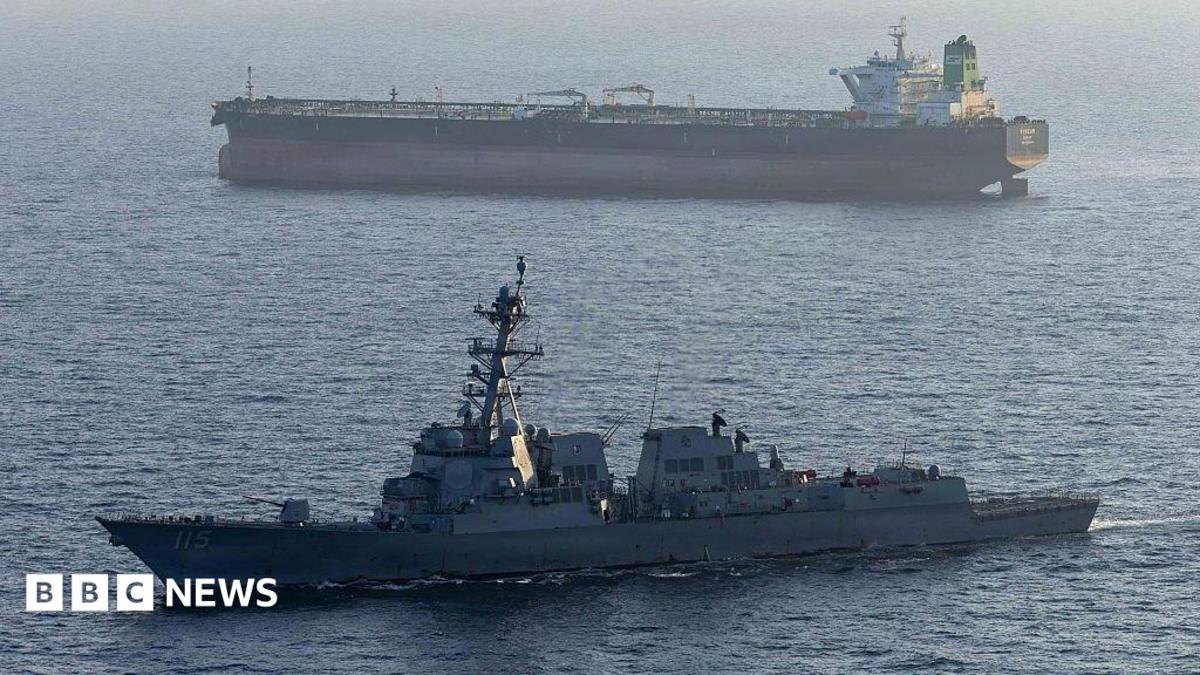
- Maritime Disruptions: The IRGC claimed it intercepted and halted three oil tankers in the Strait of Hormuz for taking an illegal route. Meanwhile, Brent crude rose above $87 a barrel, reversing the previous day's steep decline.
What Is Unconfirmed
Despite claims from Washington and Riyadh blaming Tehran for recent drone strikes, several crucial aspects of the escalation remain disputed or unverified:
- Responsibility for Saudi Drone Attacks: The Islamic Resistance in Iraq and other Tehran-backed groups have denied responsibility for the recent drone attacks on Saudi petroleum infrastructure, calling the claims fabrications and suggesting the launches originated elsewhere in the region.
- Diplomatic Progress: While US President Donald Trump claimed that Washington had paused strikes earlier due to friendly negotiation requests from Tehran, Iranian Foreign Ministry spokesman Esmaeil Baghaei explicitly denied this, stating there are no direct negotiations occurring between the two nations.
- Strait of Hormuz Governance: Reports of a proposed joint management deal for the waterway brokered by Oman remain unconfirmed in practice, as senior Iranian officials publicly rejected any plan that stripped Iran of sole transit oversight.

The Bigger Picture
The direct involvement of Saudi Arabia marks a critical shift in the geography of the conflict. Riyadh had previously avoided overt military operations against Iranian proxies to prevent wider regional contagion. However, persistent drone attacks on its energy infrastructure pushed the kingdom into direct combat alignment with Washington. This comes at a sensitive political moment in Washington, where President Donald Trump met Israeli Prime Minister Benjamin Netanyahu at the White House amidst domestic pressure over rising energy costs and economic instability ahead of upcoming elections.
Latest Status
Military forces across the Gulf remain on high alert. Iraqi Prime Minister Ali al-Zaidi has ordered domestic security agencies to investigate how drone launches occurred from Iraqi soil and is scheduled to travel to Saudi Arabia for high-level talks. With Iran threatening further action against shipping in the Strait of Hormuz and the US promising firm responses to any additional proxy fire, energy markets remain highly volatile.
Frequently Asked Questions
Why did Saudi Arabia join the US in military strikes?
Saudi Arabia participated in joint airstrikes after its defence ministry intercepted multiple drones launched from Iraqi territory targeting its petroleum facilities in the Eastern Province and Riyadh regions.
What happened during the Iranian missile attack on US forces?
Iran's IRGC launched a barrage of ballistic missiles targeting American positions, including a base in Jordan. US Central Command and Jordanian air defences successfully intercepted all incoming projectiles.
How are these military strikes affecting global oil prices?
Concerns over shipping security in the Strait of Hormuz caused global crude benchmarks to jump over 4%, with Brent crude reaching $87.70 a barrel.
What was Iraq's official reaction to the strikes on its territory?
The Iraqi Popular Mobilisation Forces called the US-Saudi strikes a dangerous violation of Iraqi sovereignty, while Prime Minister Ali al-Zaidi launched an internal probe into militant groups using Iraqi territory to attack neighbouring states.