
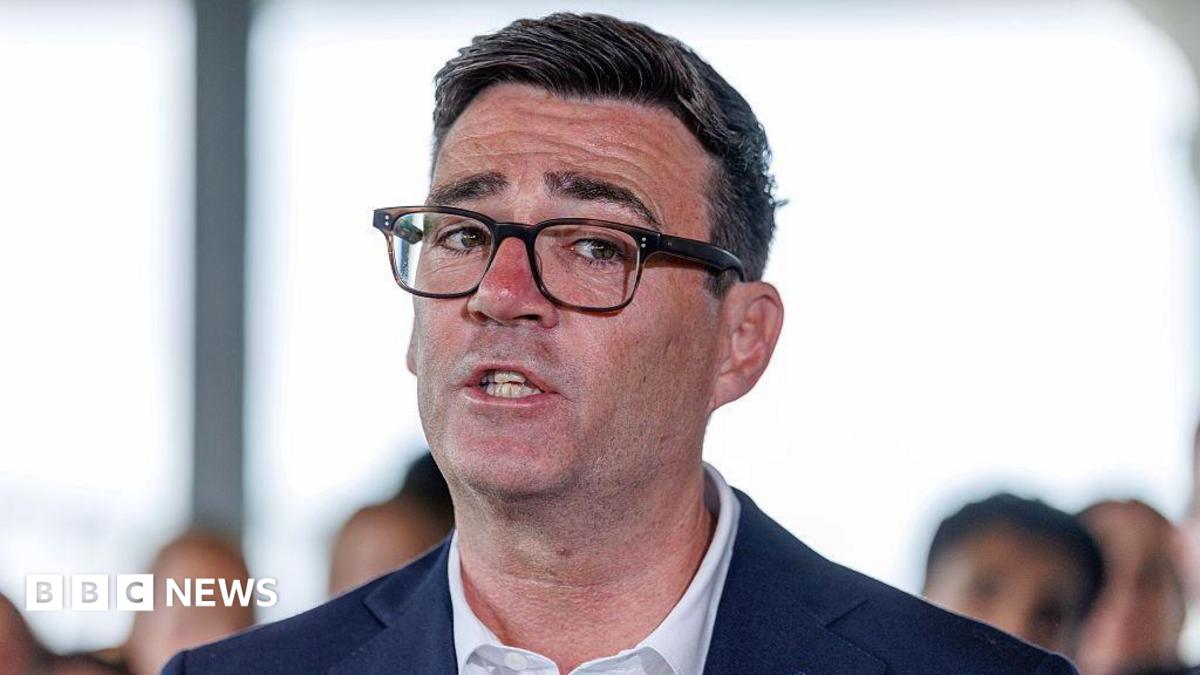
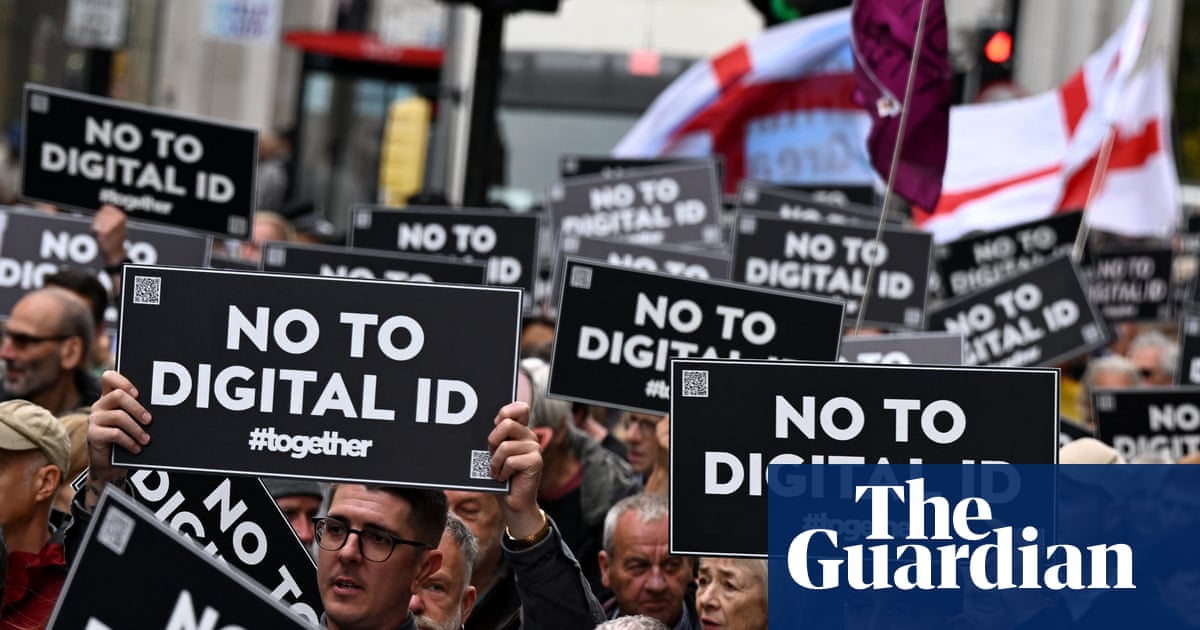
3,000,000 citizens signed a parliamentary petition opposing the introduction of national digital ID cards, sparking a fierce backlash that has ultimately led to the complete collapse of the multi-billion-pound project. On his very first day in Downing Street, incoming Prime Minister Andy Burnham announced the immediate scrapping of the controversial initiative, signaling a major structural departure from his predecessor's agenda. The decision marks an instant pivot away from expensive, top-down Whitehall initiatives toward immediate public relief schemes. Officials confirmed that all administrative machinery and resources previously tied to the project will be instantly transferred to protect families struggling under current financial pressures.
The Bottom Line
- Incoming Prime Minister Andy Burnham is officially scrapping the national digital ID scheme on Monday to focus resources directly on helping with the cost of living.
- The controversial "Brit card" program was estimated by the Office for Budget Responsibility to cost up to £1.8bn to £2bn over three years.
- The policy faced relentless backlash from civil rights groups, Labour MPs, and opposition parties over data privacy and state overreach fears.
- The government will maintain a strict crackdown on illegal working, keeping right-to-work checks mandatory and extending them to the gig economy.
- Burnham is also shaking up Whitehall by drawing up plans to absorb the Department for Science, Innovation and Technology into an expanded business department.
Breaking It Down
The digital ID program, originally unveiled by Sir Keir Starmer last autumn, was designed as a mandatory system to clamp down on illegal immigration and streamline access to public services. Under the initial framework, the compulsory cards were slated for a full rollout by 2029, containing a citizen's photograph, residency status, name, date of birth, and nationality. However, the proposal immediately ran into severe political turbulence, drawing sharp rebukes from privacy campaigners and backbench MPs who viewed it as a costly assault on individual liberty. Earlier this year, ministers attempted to salvage the policy by removing the compulsory element and relaunching it as a voluntary application, a shift that Home Affairs Committee Chair Dame Karen Bradley ultimately labeled nothing short of a fiasco.
As Burnham finalized his transition into No 10 after meeting with King Charles III on Monday, his transition team moved quickly to distance the incoming administration from the unpopular initiative. Deputy Labour leader Lucy Powell defended the decision, stating that the funds saved represent a significant amount that will now be redistributed directly into local economies. Meanwhile, opposition benches have reacted with a mix of relief and skepticism. Conservative shadow technology secretary Julia Lopez accused the incoming leader of claiming credit for a policy shift that was already underway due to relentless opposition pressure, while Liberal Democrat MP Lisa Smart expressed profound relief that British citizens would no longer be pressured into handing over their private data for daily life.
Despite dropping the central database infrastructure, the new administration has made it clear that border security enforcement remains an active priority. Home Office data shows that enforcement visits reached nearly 13,000 alongside over 9,000 arrests last year. Instead of building an entirely new national identity network, the government intends to utilize existing digital verification methods already available to employers. Rather than dropping the issue entirely, incoming ministers will expand right-to-work enforcement to cover zero-hours workers, couriers, and delivery drivers within the gig economy through upcoming legislation.
Why This Matters
Scrapping the project represents a significant philosophical shift in how public resources are managed in Whitehall. By choosing to redirect the estimated billions into cost-of-living relief, Burnham is signaling an immediate emphasis on regional economic stability over expansive, centralized technology projects. For the average household in GB, this policy shift ensures that everyday interactions with local services will not require a state-issued digital clearance token, preserving existing privacy boundaries. This decision offers immediate psychological and practical relief to millions who feared a creeping surveillance state, validating the massive public petition that initially fractured the policy's support inside Parliament.
The collapse of the scheme also highlights a recurring historical tension within British politics regarding national identity databases. The situation mirrors the legislative battle of 2006 under Tony Blair, whose identity card plans triggered widespread public anger and were subsequently dismantled by the coalition government in 2011. Tech sector leaders and digital experts have expressed significant frustration with the decision, particularly alongside Burnham's parallel strategy to absorb the Department for Science, Innovation and Technology into a broader business portfolio. This structural reorganization raises immediate questions about the long-term trajectory of public sector modernization and how future digital public services will be delivered without a centralized authentication hub.
That’s an example of what’s to come, freeing up resource for something that, in my view, wouldn’t make a tangible difference to people’s lives anytime soon. And even if it did, it wouldn’t necessarily make life easier, it might do in the long run.
What Comes Next
Following his official arrival at Downing Street on Monday afternoon, Prime Minister Andy Burnham will formally address the nation to lay out his broader ten-year structural plan for public spending and economic investment. The transition team will begin rolling out senior cabinet appointments late on Monday afternoon to fill key administrative posts. Concurrently, details regarding the incoming Border Security, Asylum and Immigration Bill will be presented to Parliament, detailing the mandatory verification extensions across the construction, food delivery, and logistics sectors.
Frequently Asked Questions
Why is the UK digital ID scheme being scrapped?
Prime Minister Andy Burnham has canceled the project to redirect its multi-billion-pound budget toward cost-of-living support and everyday public priorities.
How much money will be saved by stopping the ID cards?
While official budgets were disputed, the Office for Budget Responsibility estimated the program would cost between £1.8bn and £2bn over three years.
Will employers still check my right to work in the UK?
Yes. Right-to-work checks remain fully mandatory for all employers, and existing digital verification systems will continue to be used.
Are gig economy workers affected by these changes?
Yes. New legislation will extend mandatory identity and right-to-work checks to parcel couriers, delivery drivers, and zero-hours workers for the first time.
Is the Department for Science, Innovation and Technology closing?
Officials are drawing up plans to dismantle the department and absorb its functions into an expanded business department as part of a Whitehall restructuring.