
Zack Polanski and the Green Surge: Redefining the British Left
In the shifting landscape of British politics, Zack Polanski has rapidly become the most talked-about figure outside the traditional Labour–Conservative duopoly. As deputy leader of the Green Party, his articulate energy and unapologetically progressive tone have driven a media surge reflecting both enthusiasm and apprehension. This digest explores how UK and international outlets frame his rise, the Green Party’s broader ambitions, and what this means for Labour’s electoral calculus heading into the next general election.
What this digest will do
- Define Zack Polanski’s current political momentum and why it matters now.
- Connect major media narratives across UK and global outlets.
- Analyse how the Green Party’s surge affects Labour’s left flank.
- Highlight contrasts between admiration, skepticism, and ideological framing.
- Offer closing insights on sustainability of this momentum.
Main Topic Overview
Polanski’s profile has grown beyond Green Party circles, reflecting a rare blend of charisma and discipline within Britain’s fragmented left. Coverage from mainstream and niche outlets alike converges on two questions: can Polanski convert moral clarity into electoral credibility, and will Labour bleed support in constituencies where the Greens offer a sharper message on housing, climate, and justice? International comparisons—from New York’s Zohran Mamdani to populist counterparts in Europe—add depth to the narrative of a left reinventing itself through activism, authenticity, and data-savvy campaigning.
News Coverage
The Green surge is about to break Labour
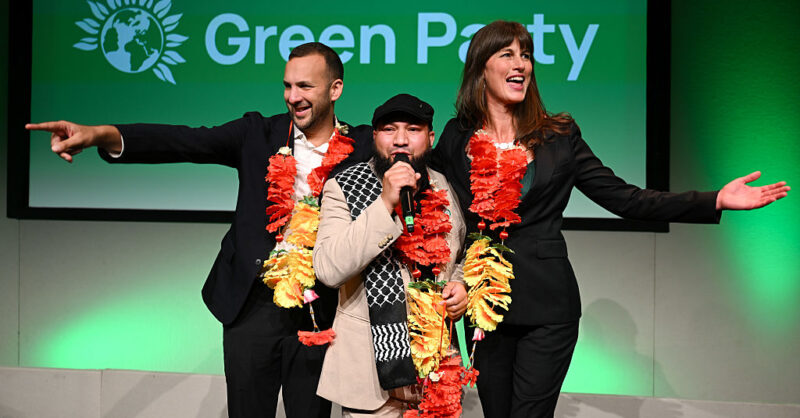
The New Statesman frames the Green Party’s momentum as a genuine electoral threat to Labour’s complacency, especially in urban and coastal seats disillusioned by centrist pragmatism. Polanski’s communication style—empathetic yet data-driven—is credited with bridging activist enthusiasm and mainstream accessibility. The analysis warns that Labour’s environmental reticence could hand the Greens critical footholds in younger, more progressive constituencies.
Is Zack Polanski our Zohran Mamdani?
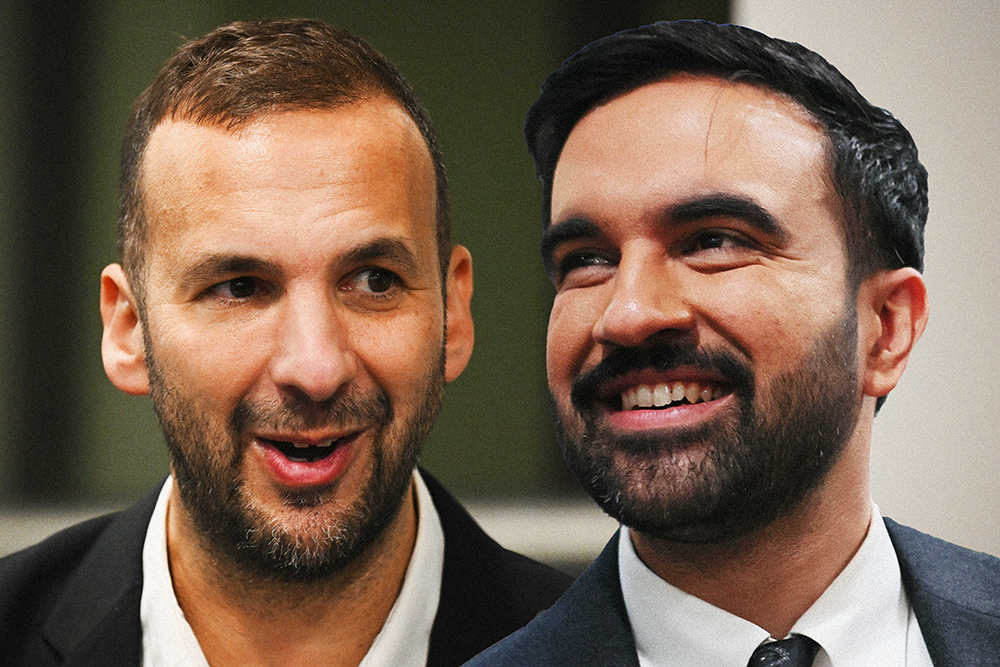
The Spectator draws an international parallel between Polanski and U.S. progressive Zohran Mamdani, exploring whether the UK can sustain an equally insurgent left movement. The tone is skeptical but intrigued: Polanski’s rhetoric on social and climate justice is positioned as both moral and strategic, leveraging identity and storytelling to broaden appeal. Yet, the piece questions whether Britain’s first-past-the-post system can accommodate such ideological experimentation without fragmenting the anti-Tory vote.
What are the ambitions of the Green Party in the next general election?
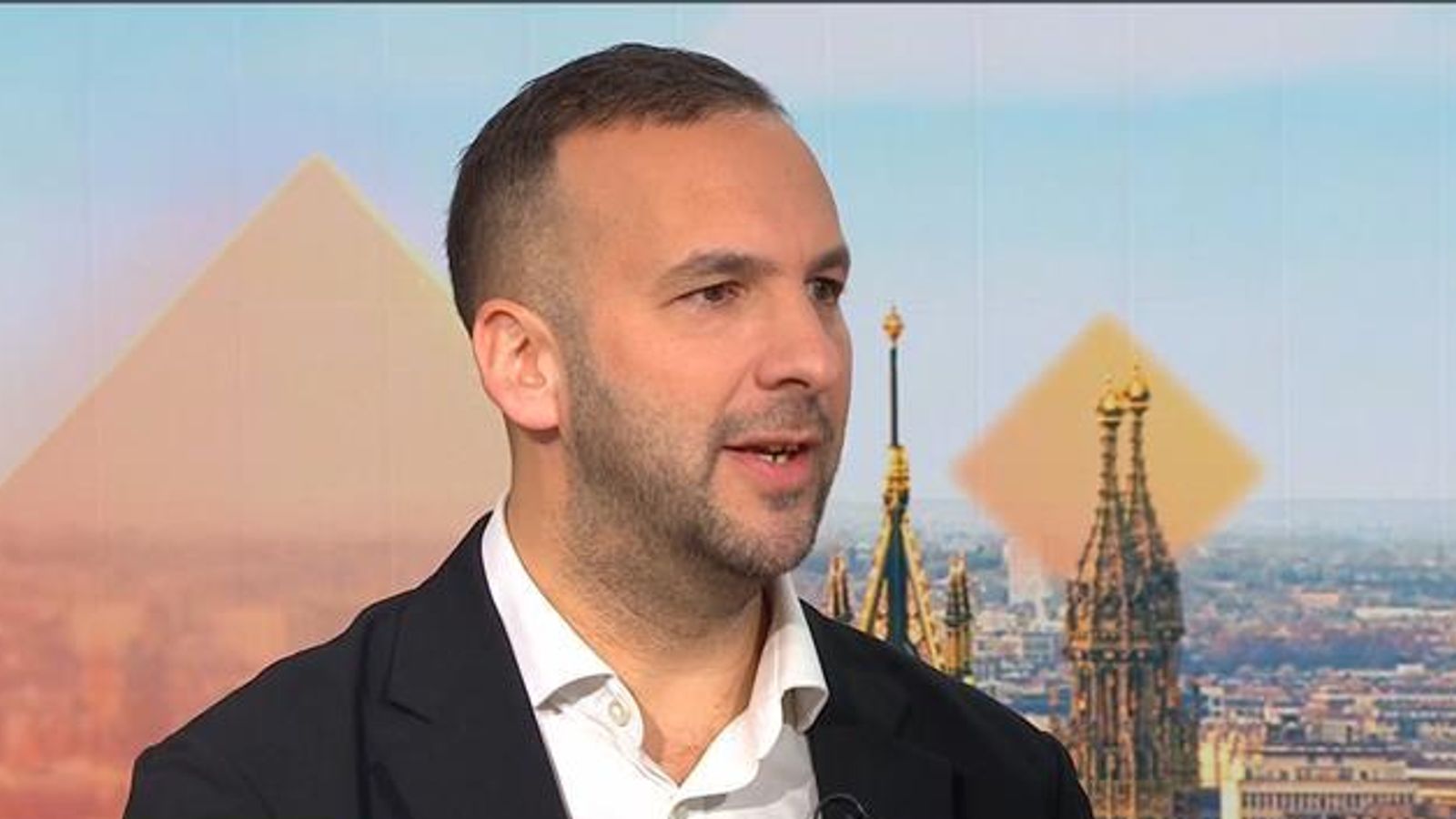
Sky News provides a televised snapshot of Green Party strategy, focusing on Polanski’s efforts to frame the party as the “moral centre” of British politics. The report highlights candidate recruitment in target constituencies and expanded messaging beyond climate—into cost-of-living, renters’ rights, and NHS funding. The piece underscores how media polish and clear talking points have shifted perceptions from protest to policy-driven professionalism.
Polanski, Sultana, and the new left revival
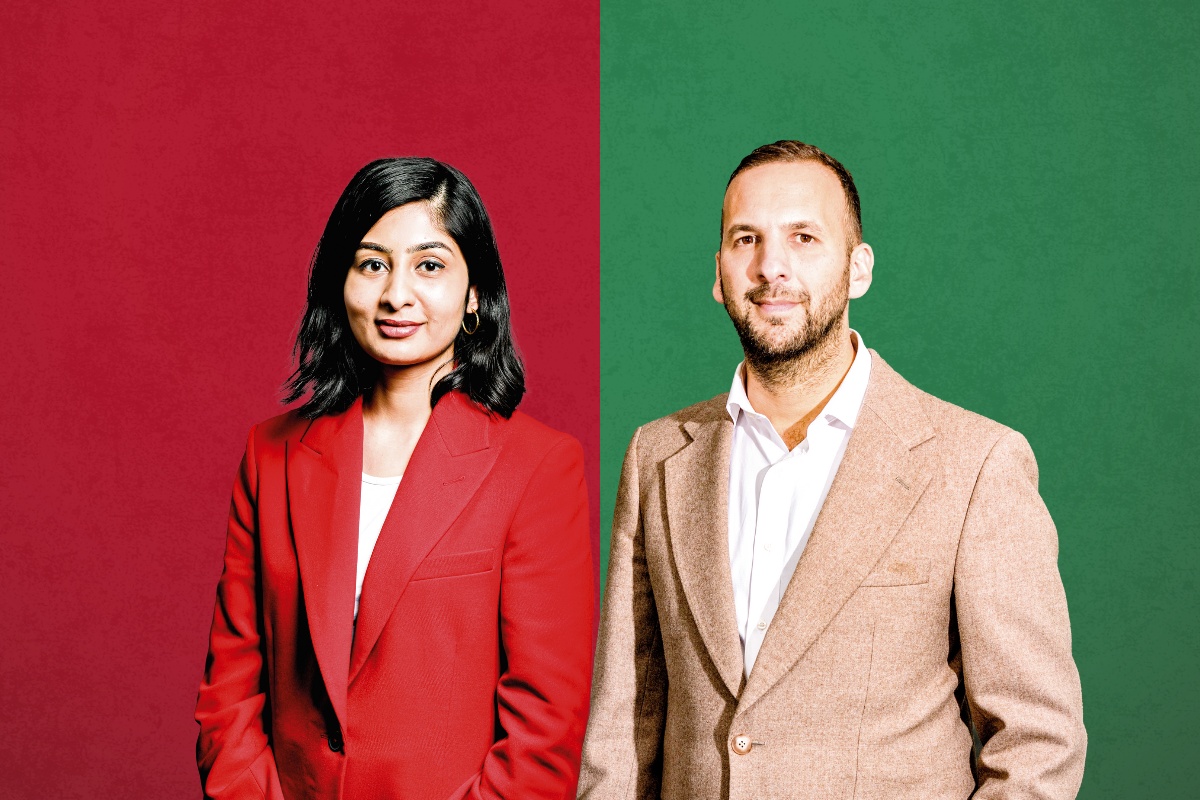
The Communist positions Polanski as part of a broader generational coalition including figures like Zarah Sultana. It celebrates a revivalist ethos seeking to unify eco-socialism with grassroots labour politics. The piece interprets Polanski’s messaging as a shift from electoral compromise toward ideological confidence, suggesting that young organisers see in him a bridge between climate urgency and class struggle.
Zack Polanski: ‘Hope has just won in New York – it can win here too’
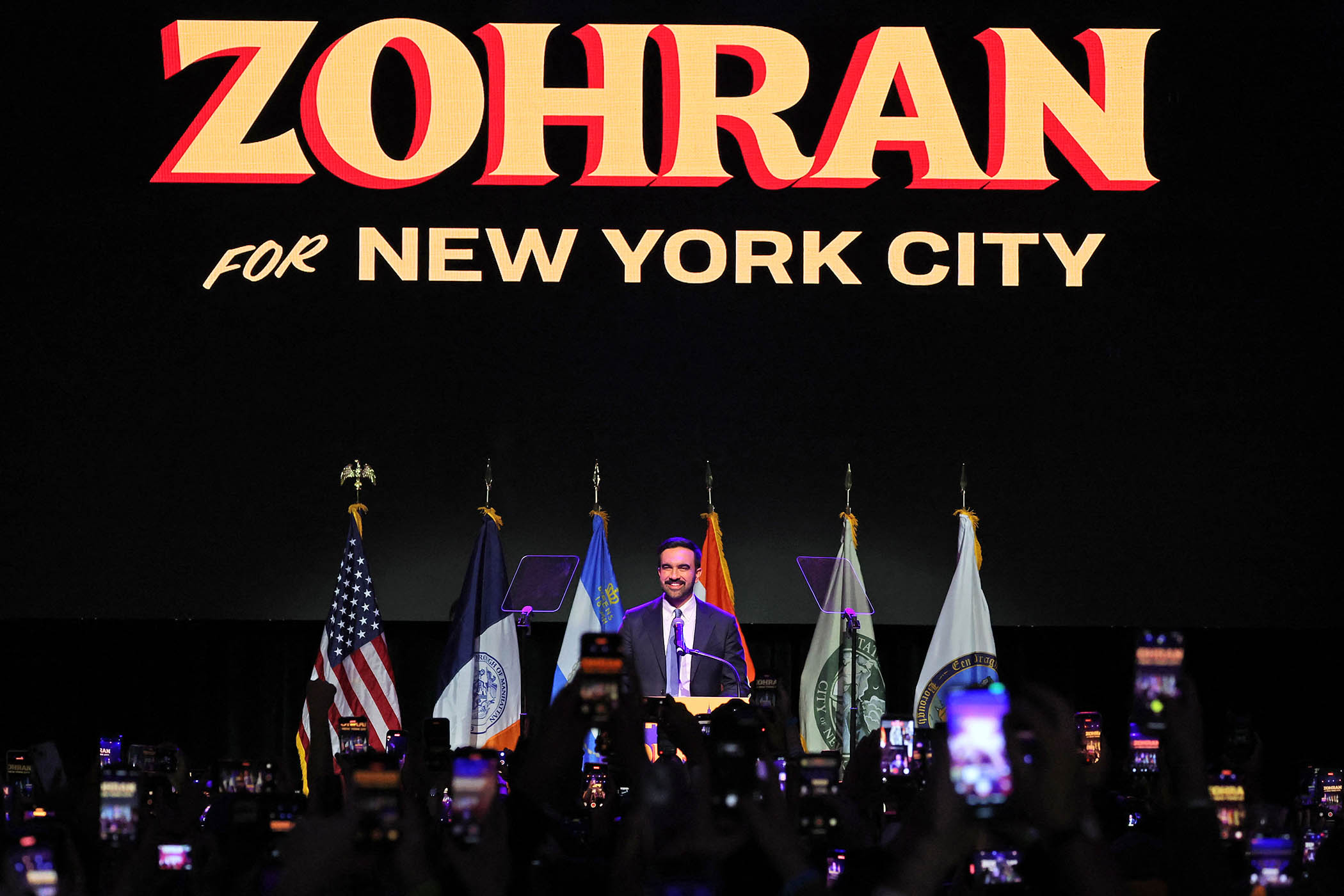
The Observer offers Polanski’s own words in an op-ed-style reflection that merges optimism with political pragmatism. He references New York’s left-wing victories as proof that moral imagination can coexist with electoral success. The tone is earnest, emphasizing empathy as a political force and framing climate action as both practical economics and collective renewal. It reinforces his positioning as the UK left’s “hopeful realist.”
Zack Polanski wants to be the British left’s Nigel Farage

POLITICO takes a provocative angle, suggesting Polanski mirrors Farage’s populist media instincts while flipping the ideological compass. The framing is less about comparison of values and more about method: relentless messaging discipline, cultural framing, and emotional accessibility. It argues that the Greens’ success may depend on replicating Farage’s grassroots-to-media ecosystem rather than opposing it rhetorically.
The Z factor: Why New York Zohran and Green Zack need to be taken seriously
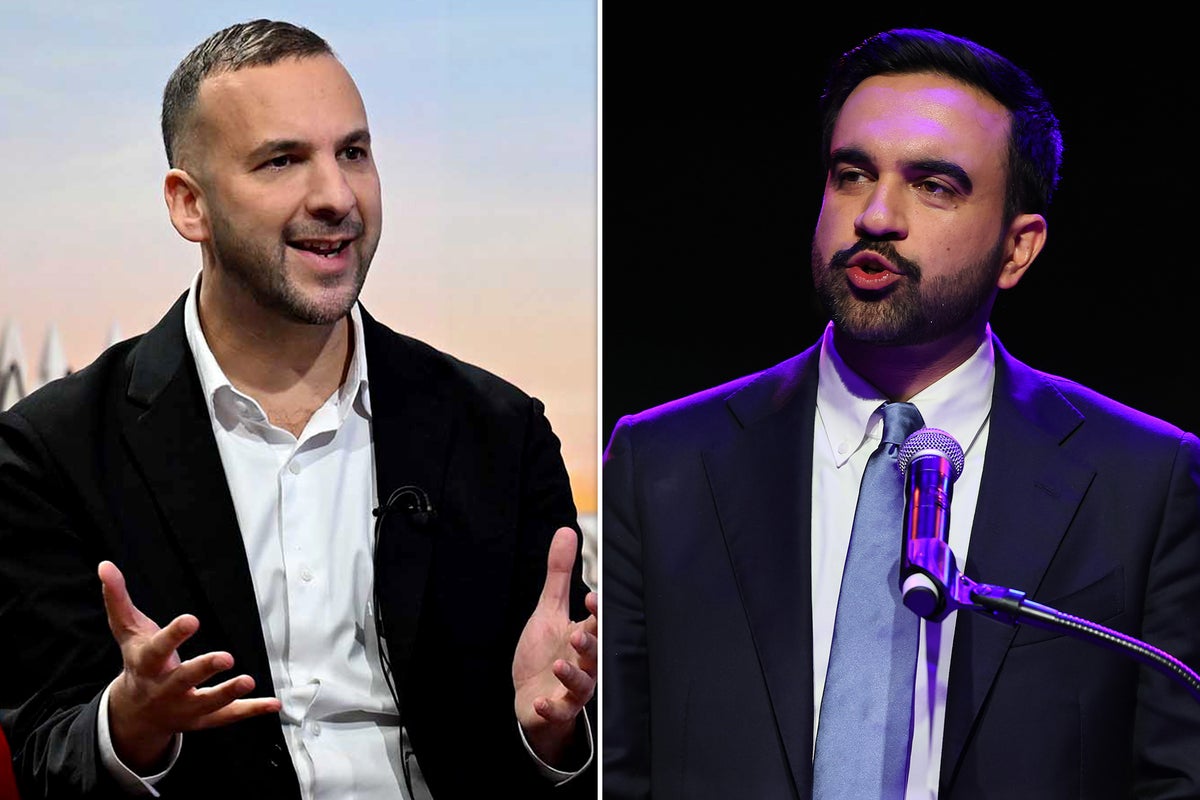
The Independent situates Polanski within a global generational current, emphasising authenticity and social media fluency. It frames him as emblematic of a cohort translating activist language into institutional reform. The commentary underscores that such figures resonate because they project conviction rather than compromise, an increasingly valuable political currency in distrustful times.
Charismatic leader emerges on the left to roil Britain’s political scene

The Washington Post provides international validation of Polanski’s influence, portraying him as a fresh voice capable of unsettling Britain’s entrenched political order. It notes his media presence and crowd resonance, contrasting this with the Greens’ historic struggle to scale nationally. The report suggests that charisma, not just policy, may now be the Greens’ most exportable asset.
Zack Polanski Says Greens Are 'Just Getting Started' As Party Hits New High
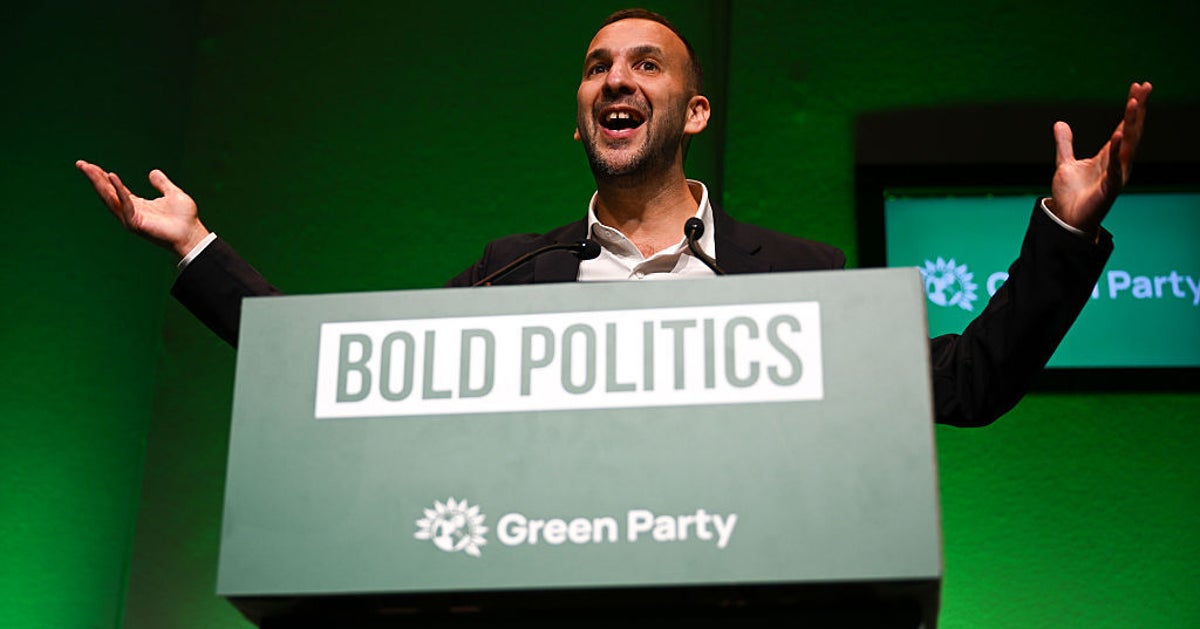
HuffPost UK captures Polanski’s optimistic tone following polling gains, using the headline quote to encapsulate the Greens’ self-perception as a movement still in its infancy. The piece contextualises the party’s trajectory, noting unprecedented membership growth and digital engagement. It connects Polanski’s communication clarity with a wider appetite for values-led politics beyond the Westminster establishment.
Zack Polanski to make appearance on major comedy panel show

This lighter piece from The National highlights Polanski’s crossover appeal: a politician comfortable engaging through humour and mainstream entertainment. Appearing on a panel show signals his growing pop-cultural presence, reinforcing accessibility while humanising a figure at risk of being seen solely as an ideologue. The media strategy here mirrors a lesson from Farage and Sturgeon alike: normalise visibility to expand relatability.
Summary / Insights
Media coverage of Zack Polanski converges on a paradox: a leader of a minor party commanding major attention. The narratives oscillate between admiration for his clarity and unease about his disruptiveness to Labour’s fragile coalition. Whether portrayed as the British left’s Farage or its Mamdani, Polanski embodies a generational appetite for moral coherence and strategic boldness. The Greens’ surge may still be limited by structural realities, but the tone of coverage suggests their cultural relevance has already arrived.
TL;DR
Zack Polanski’s rise reflects Britain’s craving for authenticity and progressive coherence. Media across the spectrum depict him as both a risk to Labour and a catalyst for renewal on the left—proof that the Greens’ political moment is no longer hypothetical.

Links & Metadata
Internal link: none yet
Trusted external coverage: New Statesman, The Spectator, Sky News, The Observer, POLITICO.eu, The Independent, The Washington Post, HuffPost UK.

Resources
Sources and references cited in this article.