
Last updated: 16 June 2026, 11.20pm BST
A sea of red filled Gillette Stadium as Iraq went long from kick-off and Norway tried to turn their press into early control. The Group I opener in Foxborough had the feel of a first step and a release of pressure: Iraq back at a World Cup after 40 years, Norway after 28 years. By the early stages, the match was still goalless, with Iraq creating a sharp chance through Ali Al-Hamadi and Norway looking to feed Erling Haaland, Martin Ødegaard and Alexander Sørloth. For UK viewers, the late-night fixture is being carried by BBC One, BBC iPlayer and the BBC Sport website, according to the published broadcast details.

How Events Unfolded
The first minutes showed two very different plans. Iraq went direct immediately, with Amir Al-Ammari sending a long ball forward from midfield, while Norway tried to lure Jalal Hassan into passes that could be pressed. That early rhythm mattered because Iraq were not simply sitting back; they pressed at moments, won the ball, and had the more eye-catching chance when Al-Hamadi turned his marker before firing high.
Norway’s starting XI carried the bigger club-name weight. Ørjan Nyland began in goal, with Julian Ryerson, Kristoffer Ajer, Torbjørn Heggem and David Møller Wolfe in defence. Ødegaard captained the side in midfield alongside Sander Berge and Fredrik Aursnes, with Sørloth, Haaland and Antonio Nusa ahead of them.
Iraq’s confirmed team was led by captain Hassan, with Hussein Ali, Zaid Tahseen, Saad Natiq and Merchas Doski across the back. Ali Jasim, Al-Ammari, Osama Rashid and Ibrahim Bayesh formed the midfield line, while Aymen Hussein and Mohanad Ali started up front under Graham Arnold.
The early scoreline, 0-0 after roughly 20 minutes, did not tell the full story. Iraq were brave enough to disrupt Norway’s build-up, while Norway had enough technical quality to make every turnover feel dangerous. The tension was obvious because both teams know Group I also contains France and Senegal.
Under the Surface
This was never just another group-stage opener. Iraq’s road to the tournament stretched across 28 months, 21 games, four rounds, a 117th-minute penalty and a playoff, according to The Guardian’s profile of Graham Arnold. The final push became even more chaotic when airspace closures and regional conflict disrupted travel before the Bolivia playoff in Monterrey.
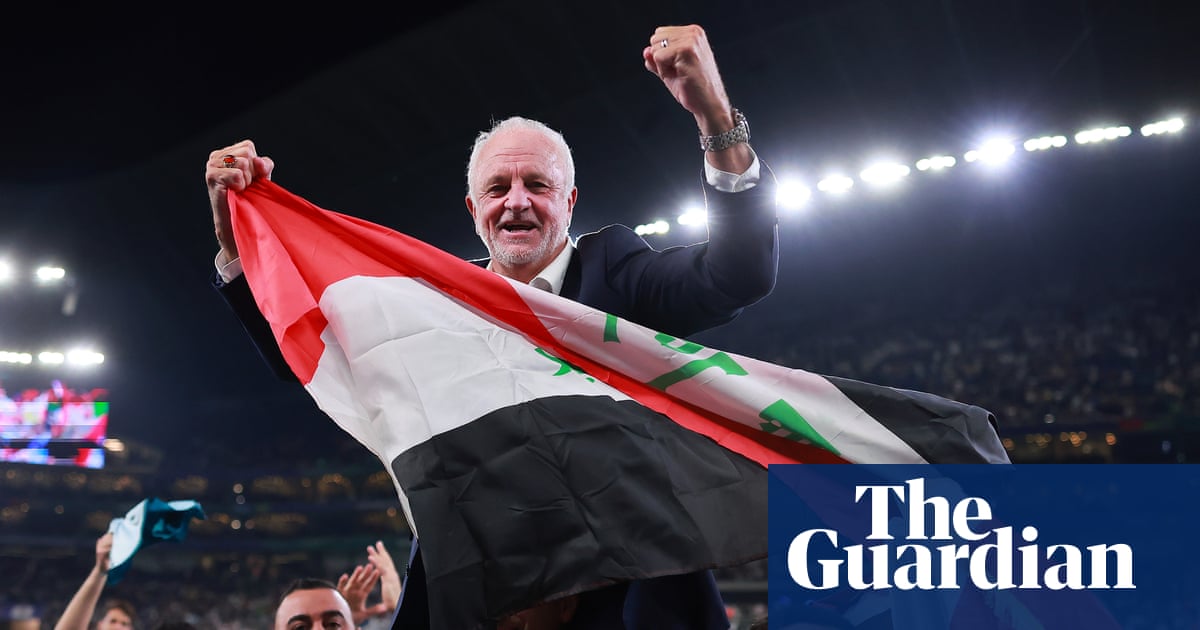
Arnold’s influence explains much of Iraq’s shape. He took over after Iraq had sacked Jesús Casas and nearly the entire staff following a 2-1 defeat to Palestine in Asian qualifying. Since then, he has built a side around discipline, communication and emotional control, even banning social media in camp because he felt the squad were carrying too much outside pressure.
Norway’s background is different but no less loaded. They reached the finals after winning all eight qualifying matches, scoring 37 goals and conceding only five. That record explains why they arrived in Massachusetts with dark-horse talk around them, even though this is their first World Cup appearance since 1998.
Voices & Opinions
Arnold’s public message has been deliberately bold. The Australian coach, who previously led the Socceroos to the last 16 in Qatar in 2022, has tried to turn Iraq’s difficult journey into fuel rather than burden.
Now it’s time to show the world what we’ve got.
He has also been clear about the emotional load on his players, especially given the long wait since Iraq’s last World Cup in 1986. His line about belief was not empty dressing-room talk; it was tied to visible changes in how he organised the squad, including language groupings on the pitch so players could communicate more clearly.
We have absolutely no pressure at all because everybody – even in Iraq – expects us to lose all three games.
On the Norwegian side, the spotlight falls heavily on Haaland and Ødegaard. Sporting Life highlighted Ødegaard’s creative role, noting he produced seven assists in five qualifiers, while Racing Post pointed to Haaland’s 16 goals in qualifying. Those numbers explain why Iraq’s defensive concentration is not a detail; it is the match.
Putting It in Perspective
For British viewers, there is an extra layer of familiarity. Haaland is a Manchester City superstar, Ødegaard captains Arsenal, Berge plays for Fulham, Ajer for Brentford, Wolfe for Wolves, and Al-Hamadi has a direct English football connection through Ipswich Town. That makes this game feel less distant than many late-night World Cup fixtures.

Iraq’s story also touches the UK through Al-Hamadi, whose background includes fleeing Iraq for Liverpool and later rising through Wycombe Wanderers, AFC Wimbledon and Ipswich Town, according to The Athletic’s live coverage. His presence gives Iraq a recognisable link for English football followers beyond the headline names in Norway’s side.
The footballing contrast is stark. Norway entered with elite European attackers and a dominant qualifying record. Iraq arrived as the last team to qualify, shaped by travel disruption, pressure and a long national absence. That contrast is why even a draw would carry weight for Arnold’s side, while Norway need early points before tougher fixtures against Senegal and France.
Looking Ahead
The match is confirmed as Iraq and Norway’s opening Group I fixture at Boston Stadium, Foxborough, with Pierre Ghislain Atcho of Gabon listed as referee. The confirmed kits had Iraq in all-white outfield strips and Norway in red, with the match officials in light green.
What comes next depends on the full-time result, but the stakes are already clear. Norway are trying to turn a gifted generation into tournament progress. Iraq are trying to convert a remarkable qualifying journey into their first meaningful World Cup foothold since returning after four decades away.
FAQ
What was the score in Iraq vs Norway?
The match was 0-0 in the early stages, with live coverage placing the game around the 16th to 20th minute.
Where is Iraq vs Norway being played?
Iraq vs Norway is being played at Gillette Stadium, listed in coverage as Boston Stadium, Foxborough, Massachusetts.
What channel is Iraq vs Norway on in the UK?
Published broadcast details list BBC One, BBC iPlayer and the BBC Sport website for viewers in the United Kingdom.
When did Iraq last play at a World Cup?
Iraq last played at a World Cup in 1986. This tournament marks their return after a 40-year absence.
When did Norway last play at a World Cup?
Norway last appeared at a World Cup in 1998, making this their first finals appearance in 28 years.
Who are the key players in Iraq vs Norway?
Norway’s key names include Erling Haaland, Martin Ødegaard and Alexander Sørloth. Iraq’s attack features Aymen Hussein and Ali Al-Hamadi.