
College football realignment is once again reshaping the structure of the sport, with developments that could alter conference footprints and competitive balance. At the centre of the latest discussions is Sacramento State, a West Coast FCS programme reportedly pursuing a move to the Football Bowl Subdivision (FBS) by joining the Mid-American Conference (MAC) as a football-only member. The situation highlights wider pressures in college athletics, from financial incentives to geographic expansion and long-term strategic positioning.
Main Topic Overview
Sacramento State currently competes at the FCS level but is now publicly linked with a potential leap to FBS competition. Reports indicate that the MAC is nearing an internal vote on whether to add the university as a football-only member. Such a move would be unusual given the geographic distance between the MAC’s traditional Midwest base and California’s West Coast.
This development reflects a broader trend in college football, where institutions seek elevated visibility, stronger media opportunities, and improved recruiting platforms by joining FBS conferences. For the MAC, the proposal raises questions about competitive alignment, travel logistics, and the financial model underpinning conference expansion.
News Coverage
Sources: MAC nearing vote on adding Sacramento State to league as football-only member
Yahoo Sports reports that the Mid-American Conference is approaching a formal vote on whether to admit Sacramento State as a football-only member. The proposal would allow the university to elevate its football programme from FCS to FBS competition while keeping other sports in their current conference alignment. The article outlines that conference officials are weighing the competitive benefits against logistical complications, particularly long-distance travel and scheduling considerations. This potential vote is significant because it signals that discussions have moved beyond speculation and into formal governance territory. Within the broader trend of realignment, it demonstrates how conferences are increasingly open to unconventional geographic expansion if the financial and strategic case appears viable.
Sacramento State makes aggressive push to join an FBS Conference

FBSchedules.com details Sacramento State’s proactive campaign to secure FBS membership. The university is described as actively lobbying conferences and presenting financial and infrastructural commitments to support a move up the competitive ladder. The coverage emphasises that this is not a passive opportunity but a deliberate strategy by the institution to reposition itself within the college football hierarchy. Such moves are rarely spontaneous; they require investment in facilities, staffing, and compliance with FBS standards. In the context of the current trend, this underlines how individual programmes are driving realignment conversations rather than waiting for invitations.
College football program offering $15 million to join MAC

Sports Illustrated reports that Sacramento State is prepared to contribute a substantial financial package, reportedly around $15 million, as part of its effort to secure entry into the MAC. The article explains that financial commitments can offset travel expenses and transitional costs, making expansion proposals more appealing to existing members. This financial dimension is central to understanding the current realignment landscape, where conference decisions increasingly hinge on revenue projections and cost mitigation. The willingness to make a significant monetary offer reflects the competitive stakes involved in moving to the FBS level.
MAC Exploring Possibility of Adding West Coast FCS Program
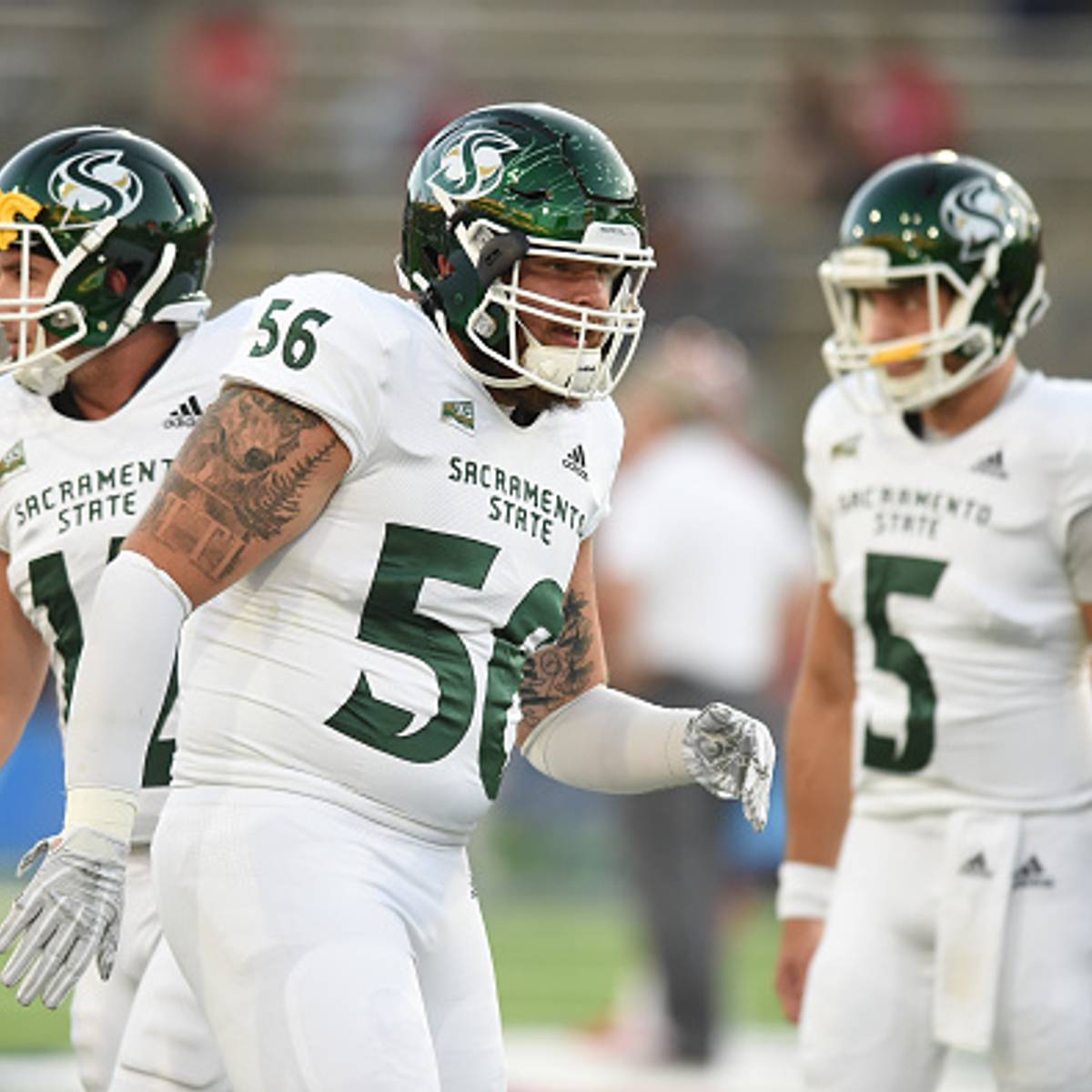
Additional coverage highlights the MAC’s broader evaluation process. Conference leadership is reportedly examining competitive fit, scheduling models, and long-term strategy before committing to expansion. The geographic stretch from the Midwest to California would mark a departure from the MAC’s historical footprint. This is not the first time conferences have expanded beyond traditional boundaries, but such moves often signal changing priorities in media exposure and national reach. Taken together, these reports frame the discussion as a calculated assessment rather than a short-term reaction.
Summary / Insights
The potential addition of Sacramento State to the MAC reflects a wider structural shift in college football. Programmes are increasingly willing to invest heavily to secure FBS status, while conferences are evaluating expansion through a financial and strategic lens.
Key themes include geographic realignment, financial incentives, and the evolving definition of conference identity. If approved, the move would illustrate how competitive ambition and economic calculations intersect in modern college athletics.
TL;DR
Sacramento State is pushing to join the MAC as a football-only FBS member, reportedly offering significant financial backing. The decision could reshape conference geography and reflects broader realignment pressures in college football.