
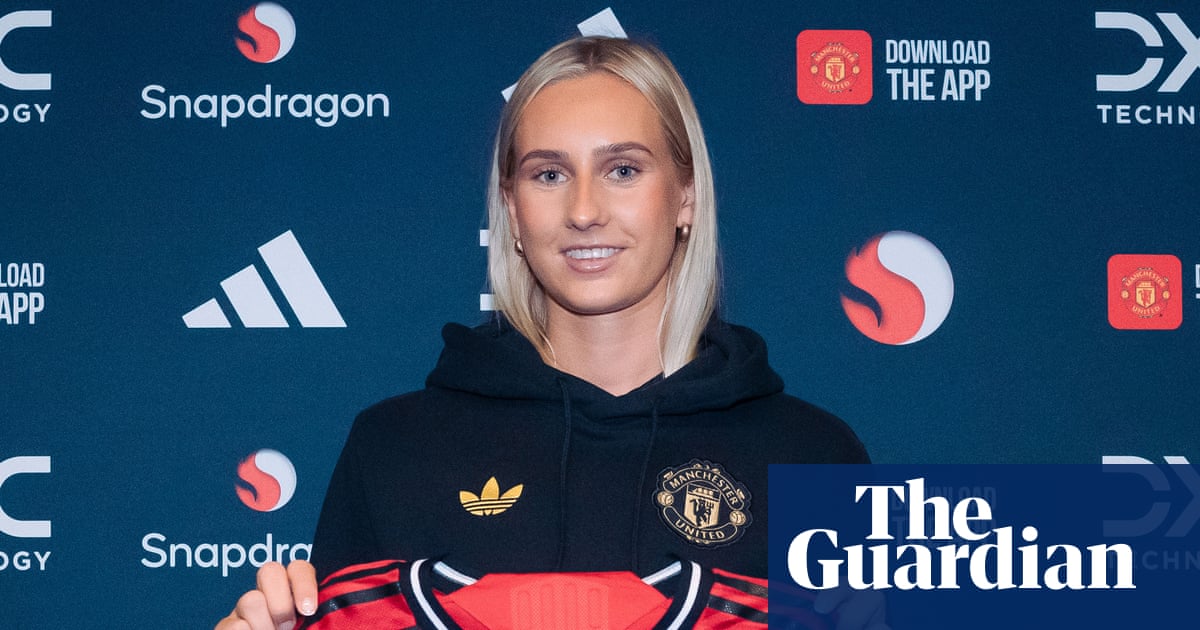
Ellen Wangerheim’s Move to Manchester United Signals a New Phase for Women’s Football
The name Ellen Wangerheim began trending across the UK football landscape in mid-January after Manchester United confirmed the signing of the Swedish forward. While transfers are nothing new in the women’s game, this move landed at a particularly charged moment: United are pushing for consistency at the top end of the Women’s Super League, the January window is growing in strategic importance, and injuries elsewhere in the squad have sharpened scrutiny around recruitment choices. Together, these factors have turned Wangerheim’s arrival into a wider talking point about squad planning, ambition, and the evolving economics of women’s football.
Main Topic Overview
Ellen Wangerheim arrives in England with a reputation forged in Sweden’s Damallsvenskan and on the international stage. Known for her work rate, intelligent movement, and reliable goal contribution, she represents a profile increasingly sought after by WSL clubs: young enough to develop further, but experienced enough to contribute immediately. Manchester United’s interest reflects both sporting ambition and a broader trend of WSL teams recruiting earlier in the calendar to mitigate injuries and fixture congestion.
This transfer also comes against the backdrop of the women’s January window becoming more active each season. Previously quiet, it is now a period where clubs respond quickly to form, injuries, and title aspirations. Wangerheim’s move fits neatly into that evolution.
News Coverage
Manchester United sign Sweden’s Wangerheim but suffer Toone injury setback

The Guardian frames Wangerheim’s signing within a broader narrative of momentum tempered by uncertainty. While United secured a forward seen as capable of adding depth and dynamism, the news was paired with confirmation of an injury setback to Ella Toone. This contrast highlighted how transfers in women’s football are increasingly reactive as well as strategic. The article suggests Wangerheim’s arrival is partly about resilience, ensuring the squad can absorb disruptions without losing competitiveness. It also reflects how media coverage now treats women’s squad depth with the same analytical lens long applied to the men’s game.
Ellen Wangerheim joins United Women

The club’s official announcement focuses on continuity and ambition. Manchester United present Wangerheim as a player who aligns with their long-term vision rather than a short-term fix. Emphasis is placed on her development pathway, international experience, and adaptability within different attacking systems. This framing underlines how clubs increasingly communicate women’s signings with a strategic narrative, positioning them as building blocks rather than isolated deals. It also signals to supporters that recruitment decisions are part of a coherent plan.
Ellen Wangerheim signs for Manchester United

SheKicks places the transfer within the context of Wangerheim’s rise in Sweden and her readiness for the WSL. The analysis leans into her playing style and how it may translate to English football’s tempo and physicality. By focusing on tactical fit rather than headline value, the coverage reflects a maturing discourse around women’s transfers. The move is portrayed less as a gamble and more as a logical progression in a carefully managed career.
Ellen Wangerheim completes Manchester United transfer from Hammarby

The Athletic’s reporting adds a transactional and competitive dimension, detailing negotiations with Hammarby and United’s intent to move decisively in the market. The piece situates the transfer within the broader European ecosystem, where Scandinavian leagues remain key talent pipelines for WSL clubs. By highlighting timing and competition, it reinforces how women’s football is experiencing a faster, more professionalised transfer environment, with clubs acting earlier to secure targets.
Manchester United sign Swedish international forward Wangerheim

WSL Full-Time zooms out to assess what the signing means for the league itself. Wangerheim’s arrival is treated as another data point in the WSL’s growing pull for international talent. The analysis suggests that such moves raise the competitive floor of the league, not just the ceiling. By attracting established internationals, clubs like United contribute to a cycle of increased visibility, higher standards, and stronger commercial appeal.
Ellen Wangerheim: Man United close in on deal for prolific attacker

This earlier report captures the anticipation phase, when the deal was still taking shape. It reflects how women’s transfers now generate multi-day narratives similar to the men’s game, complete with speculation and analysis. By the time the move was confirmed, expectations had already been shaped, illustrating how audience engagement around women’s football has deepened and lengthened over time.
Summary / Insights
Taken together, the coverage of Ellen Wangerheim’s transfer shows more than a single player changing clubs. It illustrates how women’s football in the UK is entering a phase where recruitment, squad depth, and timing are scrutinised with increasing sophistication. Different outlets emphasise different angles—injury management, long-term planning, league competitiveness—but all point to the same conclusion: transfers like this now carry layered significance.
This is not the first time Scandinavian talent has strengthened the WSL, but the speed and attention surrounding Wangerheim’s move suggest the process is accelerating. As clubs continue to professionalise and audiences grow, similar transfers are likely to become focal points in their own right rather than footnotes.
TL;DR
Ellen Wangerheim’s move to Manchester United reflects the WSL’s growing pull, the rising importance of January transfers, and a more mature conversation around squad planning in women’s football.

Resources
Sources and references cited in this article.