
Football fans across Great Britain and the wider sporting world are mourning the loss of a true icon following the death of former England captain and manager Kevin Keegan at the age of 75. One of the most celebrated and charismatic figures in the history of the British game, Keegan passed away peacefully while surrounded by his family. His death comes seven weeks after he publicly revealed he had been diagnosed with stage four cancer, marking the end of a courageous battle against the advanced disease.
The Backstory
Born in 1951 in Armthorpe, Doncaster, Keegan grew up as the son of a south Yorkshire miner, famously honing his early skills by using his brother's pram as a makeshift goalpost. His path to the summit of professional football was entirely unorthodox compared to modern academy systems. He began his professional journey as an apprentice at Scunthorpe United in 1968, where low wages initially forced him to take up summer jobs such as plate-laying in the local area to make ends meet.
His relentless work ethic and combative style caught the attention of Liverpool's chief scout Geoff Twentyman, leading to a pivotal £33,000 transfer to Anfield under Bill Shankly in 1971. Shankly immediately recognized his immense potential, famously predicting after just three days of training that the young forward would play for his country. That prophecy materialized the following year when Keegan made his international debut against Wales in Cardiff, starting a legendary journey that would see him earn 63 England caps and score 21 goals.
Keegan became the talismanic figurehead of the dominant Liverpool side of the 1970s, establishing a formidable strike partnership with John Toshack. Affectionately dubbed 'Mighty Mouse' by supporters due to his 5ft 8in frame and relentless determination, he helped guide the club to three First Division titles, an FA Cup, two UEFA Cups, and their maiden European Cup triumph in 1977. His subsequent move to German outfit Hamburg for a then-record fee of £500,000 cemented his global status, where he became the only British player in history to win the prestigious Ballon d'Or twice, securing the accolade back-to-back in 1978 and 1979.
Here's What Happened
The announcement of his passing was confirmed on Monday afternoon through a statement issued by his family. Keegan had initially shared news of his illness in January, before confirming in June that it had progressed to stage four, meaning the cancer had spread to other parts of his body. Despite the gravity of the diagnosis, he had expressed a poignant desire to return to Newcastle's St James' Park one final time to say a proper goodbye to the supporters who revered him.The family statement confirmed that he passed away peacefully, stating that he was surrounded by his wife Jean and his daughters in his final moments. The family expressed their profound gratitude to his medical team for their unwavering support throughout his treatment, while requesting space and privacy to grieve during this immensely difficult period.
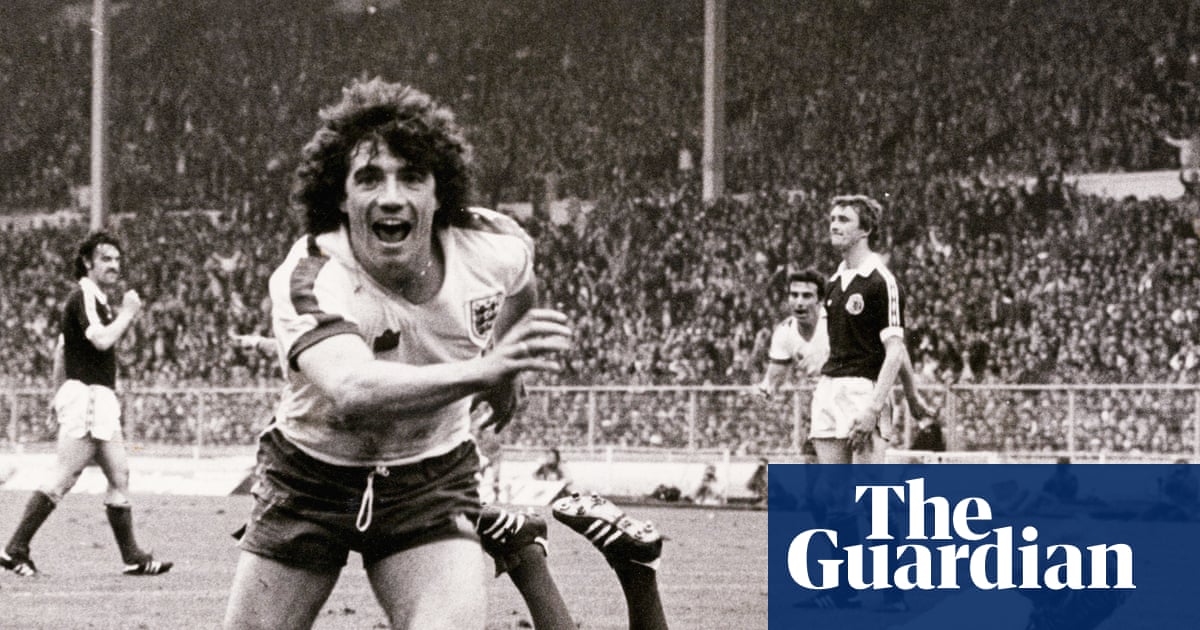
News of his passing has prompted an immediate and vast outpouring of grief across the British football community. Tributes have flooded in from every club he represented throughout his illustrious 750-appearance playing career and subsequent managerial journey, which included spells at Fulham, Manchester City, and the England national team. Newcastle United, where he achieved legendary status across two separate spells as both a player and a manager, led the tributes by describing him as the absolute beating heart of the club for generations of fans.
What People Are Saying
The footballing community has united to pay respects to a man who profoundly shaped the modern game. Former players, colleagues, and the clubs he transformed have released emotional statements reflecting on his monumental legacy.
Kevin was more than a legendary footballer and manager. He was the beating heart of Newcastle United for generations of supporters. Kevin's impact will not be measured by appearances or results. It will live on in the memories he created with club and country.
Alan Shearer, whom Keegan famously signed for Newcastle in a world-record deal in 1996, shared a deeply personal tribute to his former mentor on social media, writing: "My Hero. My manager. My friend. Sleep easy Boss." Meanwhile, Liverpool Football Club expressed their profound sorrow, stating that his indomitable spirit and remarkable contribution will remain forever etched into the club's history.
The Bigger Picture
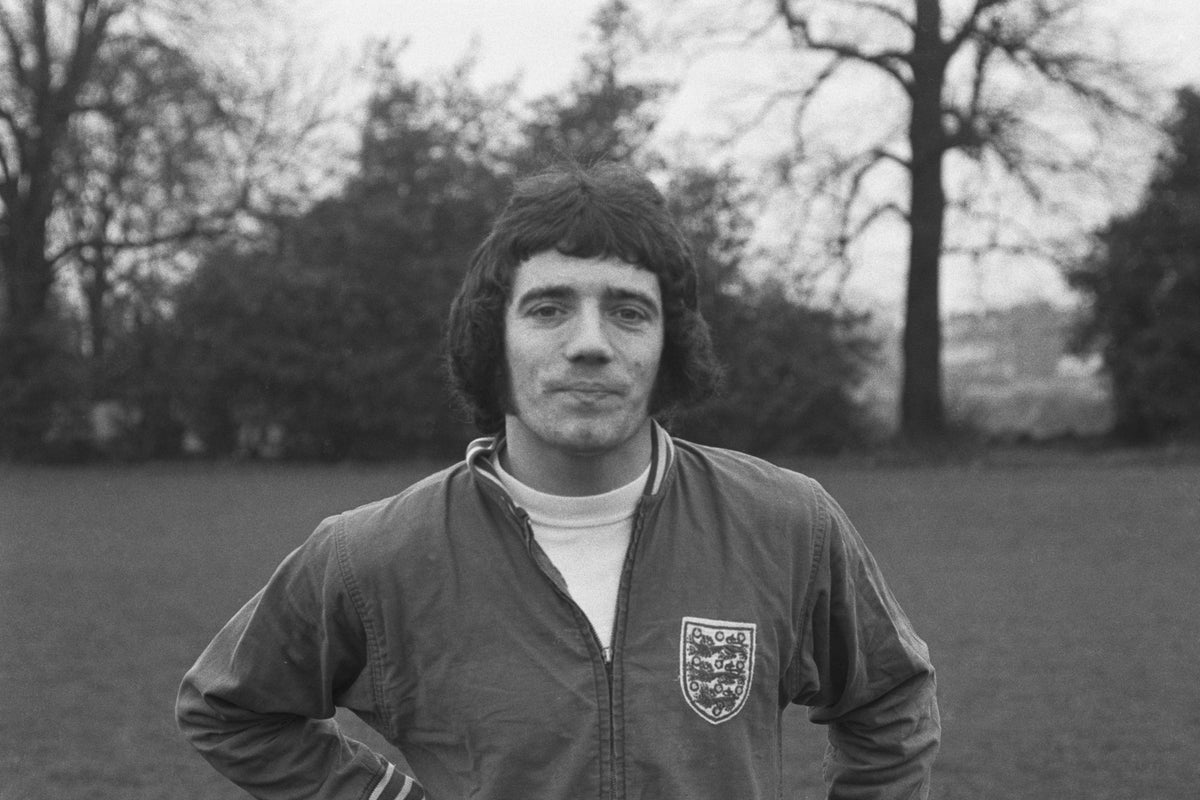
Keegan's influence stretched far beyond the pitch; he was one of the very first true superstars of the modern footballing era. With his iconic 1970s bubble perm, he crossed over into popular culture, launching his own branded football boots, recording a hit single, and appearing as the famous public face of Brut 33 aftershave alongside Henry Cooper.
As a manager, he completely revolutionized Newcastle United after taking over a side facing relegation to the third tier in 1992. He dynamically transformed them into 'The Entertainers', securing promotion and pushing Manchester United to the absolute wire in the memorable 1995-96 Premier League title race. His passionate, finger-jabbing "I will love it" television rant directed at Sir Alex Ferguson remains one of the most iconic and enduring moments in British broadcasting history.
The Road Ahead
Following the formal announcement, clubs across the country are planning significant tributes. Newcastle United has confirmed that the club will carefully consider how to shape a permanent, lasting tribute to honor his remarkable life and legacy at St James' Park. Minute's silences and special commemorative events are expected to take place across the opening fixtures of the upcoming football calendar to allow the public to pay their final respects to 'King Kev'.
Frequently Asked Questions
- What was the cause of Kevin Keegan's death?
- Kevin Keegan passed away following a courageous battle with stage four cancer, a diagnosis his family first publicly disclosed in January.
- Which clubs did Kevin Keegan manage during his career?
- Keegan enjoyed highly successful managerial spells at Newcastle United, Fulham, Manchester City, and also served as the manager of the England national team.
- How many times did Kevin Keegan win the Ballon d'Or?
- Keegan won the Ballon d'Or twice, securing the prestigious award back-to-back in 1978 and 1979 while playing for German club Hamburg.
- What is Kevin Keegan's most famous managerial moment?
- He is famously remembered for his passionate "I will love it" live television interview in 1996 during an intense Premier League title race with Sir Alex Ferguson's Manchester United.