
McLaren arrived in Canada looking capable of taking the fight to Red Bull and Mercedes. Instead, the British-based team left Montreal defending one of the most talked-about strategy calls of the Formula 1 season so far. For fans in the UK, where McLaren still carries huge emotional weight decades after its glory years, the fallout matters because this title race is tightening fast.
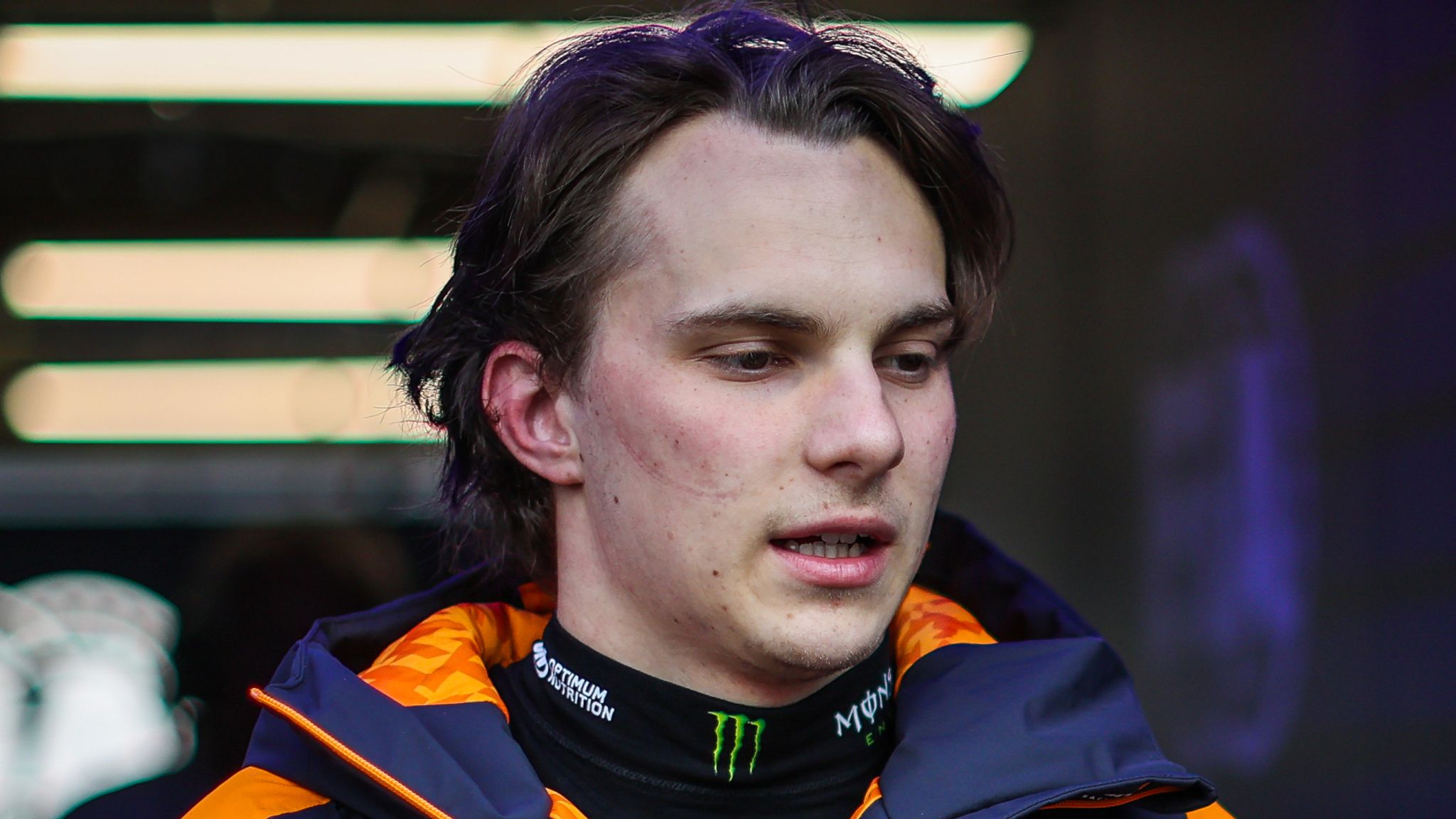
Oscar Piastri admitted the team "looked like idiots" after the gamble on intermediate tyres failed to deliver. Meanwhile, Lando Norris saw his race unravel completely before retiring, turning what could have been a valuable points weekend into damage limitation.
Context & Background
The Canadian Grand Prix has always been a race where strategy can swing everything. Montreal's Circuit Gilles Villeneuve punishes hesitation but also punishes overconfidence. Teams constantly gamble on weather windows, tyre degradation and safety cars because overtaking opportunities arrive quickly and disappear just as fast.
McLaren entered the weekend carrying momentum after several strong races earlier in the season. Both Norris and Piastri had shown the MCL38 could challenge near the front, especially in cooler conditions. That's partly why the team believed an aggressive strategy might unlock an advantage against Max Verstappen and Lewis Hamilton.
It's a bit of a double-edged sword, though. Modern Formula 1 rewards bold calls only when timing is perfect. Miss by two laps and the entire race changes direction.
- Intermediate tyres
- Tyres designed for damp conditions with light standing water on track.
- Undercut
- A strategy where a driver pits earlier to gain time on fresher tyres.
- Tyre degradation
- The gradual loss of grip and performance during a stint.
Here's What Happened
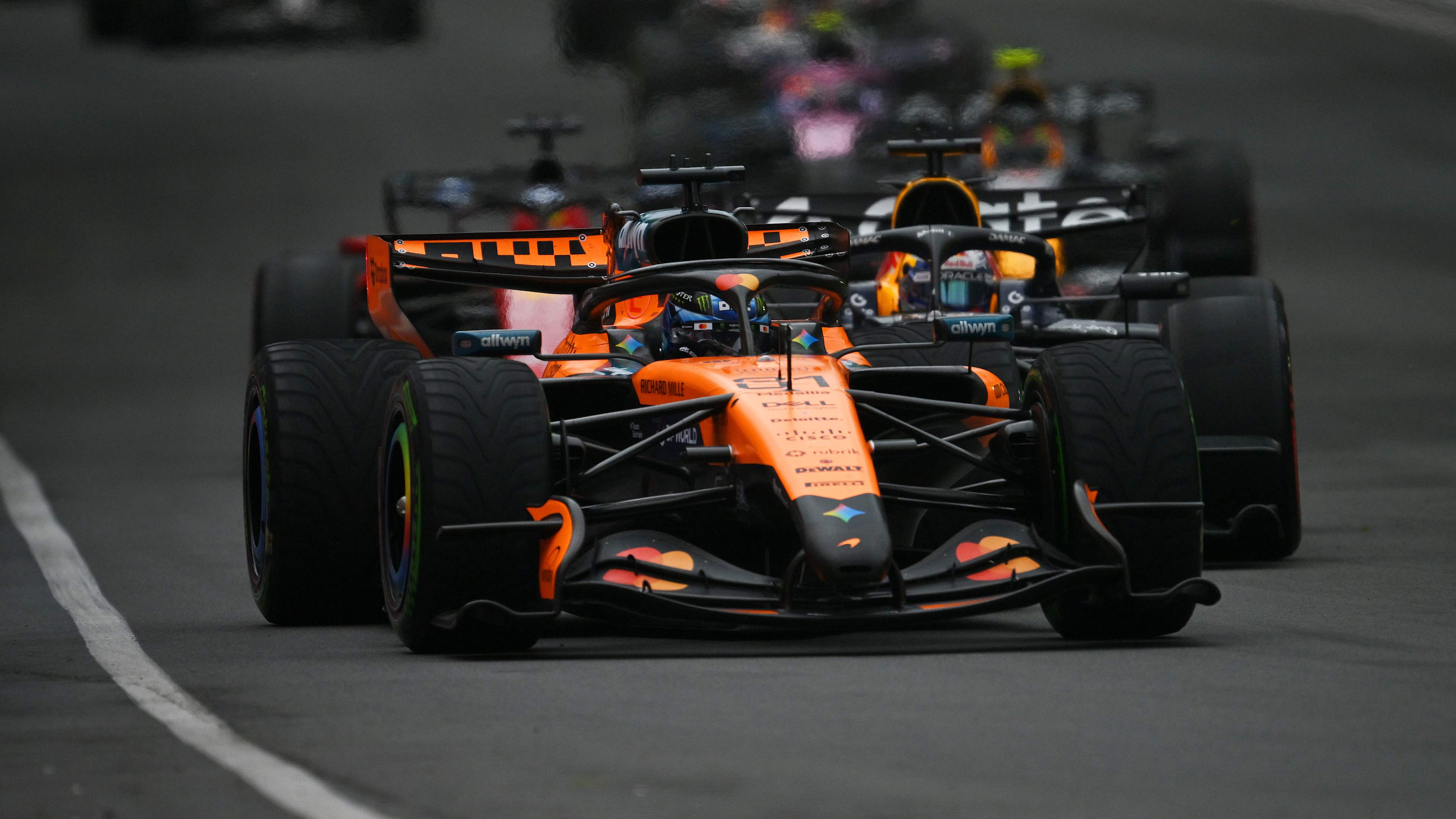
As conditions evolved during the race, McLaren rolled the dice by switching to intermediate tyres while rivals stayed on slicks. The thinking inside the garage was simple: if rain intensified, Norris and Piastri could gain massive track position before anyone else reacted.
Instead, the rain never arrived strongly enough. Drivers struggled for grip almost immediately, and lap times dropped away. Verstappen later laughed about the gamble, suggesting rival teams had overcomplicated a situation Red Bull considered straightforward.
The decision quickly snowballed into a larger problem. Norris lost crucial time fighting instability through the chicanes, while Piastri became vulnerable to cars behind him. According to team principal Andrea Stella, simulations suggested there was still a possible upside if conditions shifted by even a small margin.
But Formula 1 rarely forgives half-right decisions. Norris eventually retired after what he described as a race that had already become miserable long before the chequered flag. The team later confirmed mechanical issues contributed to the retirement, yet by that stage the strategy discussion had already dominated headlines.
If you're following the championship battle closely, you might be wondering whether this was panic or calculated aggression. McLaren insist it was the latter. Engineers reportedly believed tyre temperature projections supported the move based on radar data available at the time.
Formula 1's race debrief and post-race interviews both highlighted how narrow the weather window really was.
The Response
We probably looked like idiots out there.
Piastri's honesty resonated because Formula 1 drivers rarely criticise their own teams so openly immediately after a race. Yet Andrea Stella pushed back hard against suggestions the strategy was reckless.
The decision was based on information available at the time. The outcome doesn't automatically make the call stupid.
Inside the paddock, reactions were mixed. Some rival teams quietly admired McLaren's willingness to take risks. Others viewed it as unnecessary when steady points were available. Verstappen appeared amused by the whole situation, joking publicly about the failed gamble after the race.
That's the funny old game of F1. Teams are praised as geniuses when a gamble succeeds and questioned relentlessly when it does not.
The Bigger Picture
For British fans, the concern goes beyond one race result. McLaren are trying to prove they can sustain a championship challenge over an entire season, not just during isolated weekends. Strategy execution is often the difference between finishing second in the standings and lifting trophies in Abu Dhabi.
The points loss could become significant later this year. Red Bull continue to maximise difficult weekends, while Mercedes suddenly look more competitive after recent upgrades. Losing ground in Canada means McLaren now face extra pressure heading into the European rounds.

What's interesting is that McLaren still believe the raw pace of the car was strong enough to compete with Verstappen and Hamilton under normal circumstances. That confidence may sound stubborn now, but internally it suggests the team see Canada as a missed opportunity rather than evidence of deeper performance problems.
There is also a wider lesson here for modern Formula 1. Data-driven decisions dominate the sport more than ever, yet weather remains gloriously unpredictable. One cloud system over Montreal can make millions of pounds worth of simulations suddenly meaningless.
The Road Ahead
McLaren now head into the next phase of the calendar needing a clean response. Engineers are expected to review the timing models and communication process used during the Canadian race weekend.
Norris and Piastri have both indicated confidence remains high inside the team. Still, another strategic misfire in the coming races would intensify scrutiny very quickly.
FAQ
Why did McLaren switch to intermediate tyres in Canada?
The team believed incoming rain would worsen quickly enough to make intermediate tyres faster than slicks. Weather data and track forecasts suggested there was a potential advantage if conditions changed within a few laps.
What did Oscar Piastri say after the race?
Piastri admitted McLaren "looked like idiots" once the strategy failed. However, he also defended the team's willingness to take risks during a close championship fight.
Did Lando Norris retire because of the tyre gamble?
Not entirely. The strategy hurt his race significantly, but McLaren later confirmed additional mechanical problems contributed to his retirement from the Grand Prix.
How did Max Verstappen react?
Verstappen appeared amused by McLaren's decision and joked publicly about the failed gamble afterward. Red Bull chose to stay with a more conservative approach during the changing conditions.
Does this hurt McLaren's title hopes?
One race alone will not decide the championship, but losing points in Canada increases pressure over the next few weekends. Consistency matters heavily in long Formula 1 seasons.
Could McLaren make similar strategy calls again?
Yes. Andrea Stella defended the team's aggressive mindset and suggested McLaren would continue taking calculated risks when opportunities appear during races.