
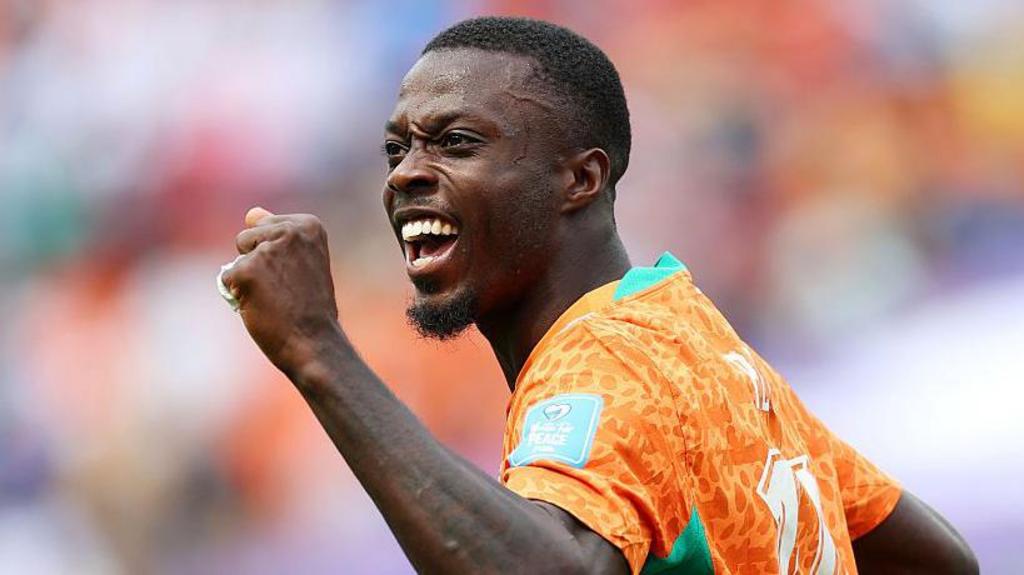
The celebrations in Philadelphia grew louder with every passing minute, Ivory Coast supporters sensing they were watching a line being crossed that previous generations never managed to reach. Nicolas Pepe gave them the finish the moment needed, scoring twice in a 2-0 win over Curaçao to send Ivory Coast into the World Cup knockout stage for the first time. The result put Emerse Faé’s side through as Group E runners-up, while debutants Curaçao finished bottom after a spirited first tournament. For viewers in the UK, the match was part of a busy Group E finale shown on BBC Two and iPlayer, with wider interest sharpened by the possibility of Ivory Coast facing France or Norway next.
How Events Unfolded
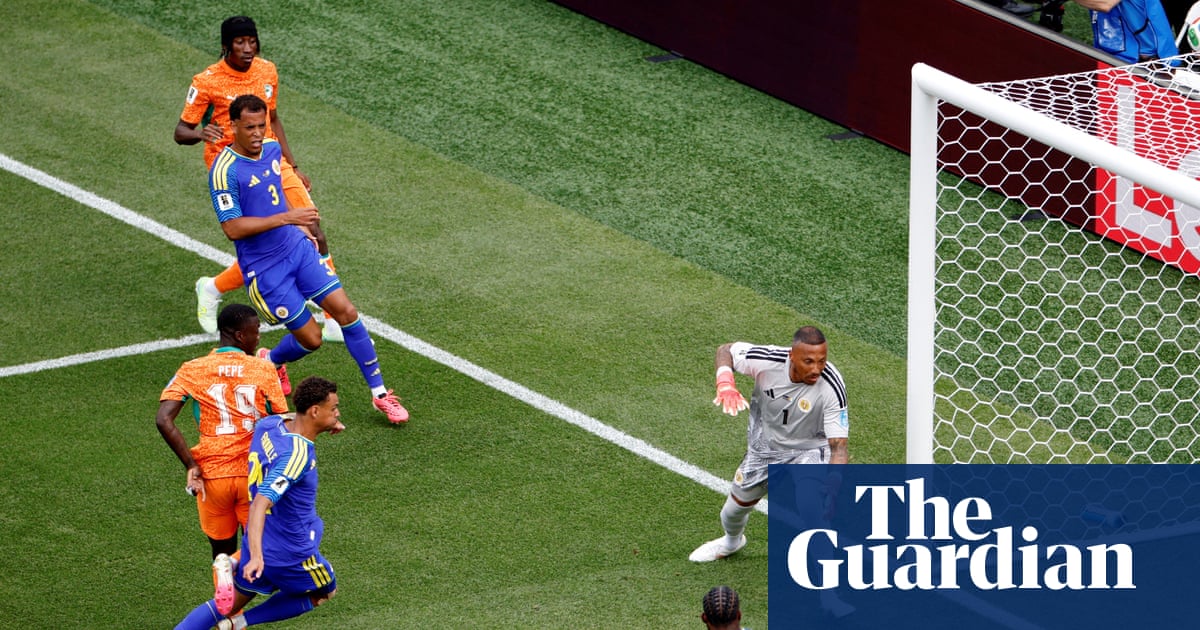
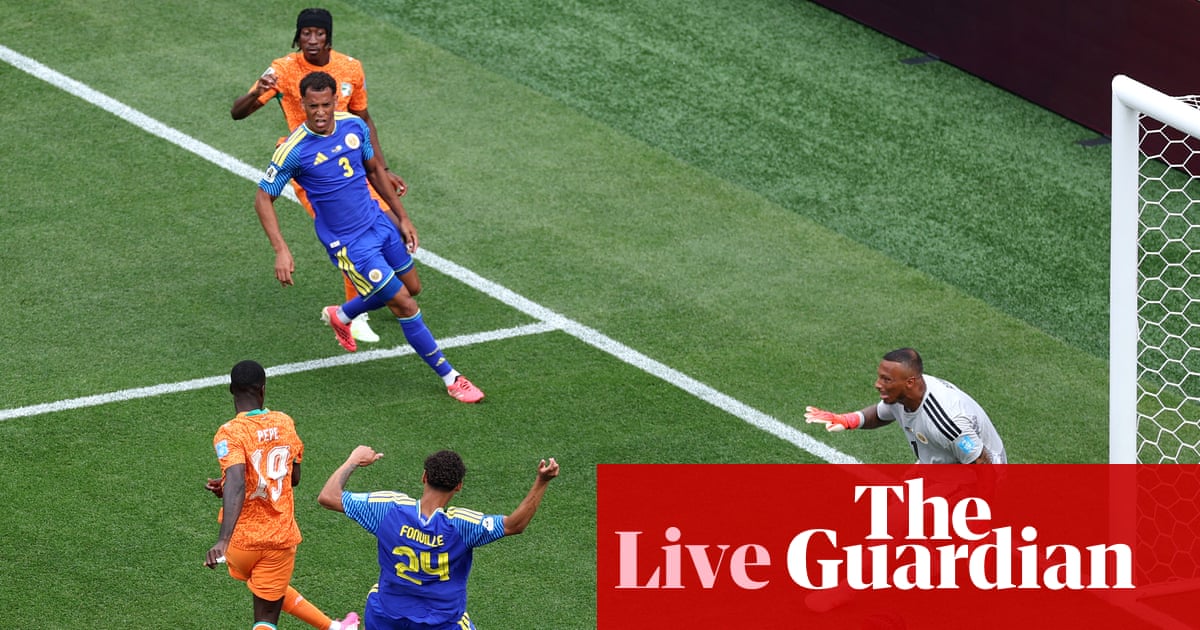
Ivory Coast made their move early. After just seven minutes, a costly exchange between Juriën Gaari and Joshua Brenet outside the Curaçao box handed the ball to teenage talent Yan Diomande, who drove towards goal and cut the ball back for Pepe to finish.
Curaçao did not fold. Tahith Chong threatened repeatedly, Leandro Bacuna grew into the first half, and Dick Advocaat’s side pushed higher after the break. They had spells where they looked sharper than the scoreline suggested, but their problem was the same one that followed them through the group: chances arrived, goals did not.
The decisive moment came in the 64th minute. Ibrahim Sangaré found Pepe through a rare opening in the defence, and the former Arsenal forward curled his second goal past Eloy Room. That finish settled the match and turned a tense night into a historic one for the Elephants.
Elsewhere in Group E, Ecuador beat Germany 2-1, meaning Germany still led the group, Ivory Coast went through in second, and Ecuador also reached the knockouts as one of the best third-placed teams. The Athletic reported that Ivory Coast will next play either France or Norway in Dallas.
The Fine Print
This was not just another group-stage win. Ivory Coast had played at three previous World Cups, in 2006, 2010 and 2014, but never reached the knockouts. The BBC described the pressure on this squad as the weight of a long-standing group-stage jinx, sharpened by the fact that the country failed to qualify for the past two tournaments.
The wider context matters. The Guardian pointed to the expanded 48-team format, which increased Africa’s representation from five sides in 2022 to 10 in 2026. For a country that has produced names such as Didier Drogba, Yaya Touré, Kolo Touré, Salomon Kalou and Gervinho, the extra space helped turn a long-running near-miss story into a knockout-stage reality.
Ivory Coast also arrived with recent evidence of resilience. Under Faé, they won the 2023 Africa Cup of Nations after changing manager during the group stage. In World Cup qualifying, The Guardian said they went undefeated in 10 matches, winning eight and not conceding a goal.
The Response
Faé, who has now overseen an Africa Cup of Nations triumph and Ivory Coast’s first World Cup knockout qualification, told his compatriots to enjoy the breakthrough before turning attention to the next round.
“Celebrate this historic qualification, like we should. Once we’re done celebrating, we want to go as far as possible in this competition. This is a young group. They’re all at their first ever World Cup. They’re playing well. There is a lot of solidarity in this group.”
Advocaat, Curaçao’s vastly experienced head coach, was proud of his players despite the defeat. His team had recovered from a 7-1 loss to Germany to draw 0-0 with Ecuador, then made Ivory Coast work for the win.
“We played three matches against three world-class teams and (the players) did a sterling job. They worked so hard today against a better team but we created the better chances. We just needed a little more luck.”
He also admitted Curaçao need more quality in certain areas, saying they must keep looking for eligible players. That was the hard edge beneath an emotional exit: they competed, but did not have enough finishing power to turn brave performances into a knockout place.
Putting It in Perspective
Pepe’s double carries its own place in Ivorian football history. The Athletic said he became only the second Ivory Coast player to score two or more goals in a World Cup match, after Aruna Dindane against Serbia in 2006. At 31 years and 27 days, he was also described as the second-oldest African player to score a World Cup brace, behind Roger Milla against Colombia in 1990.
For Curaçao, the tournament still leaves something behind. They became the smallest nation to qualify for a World Cup, earned a point against Ecuador, and forced Ivory Coast to stay switched on deep into the second half. The Guardian reported that goalkeeper Eloy Room made 15 saves against Ecuador, the most at a World Cup since 2014 and the most on record in a match without extra time.
For UK football fans, the next round now has a familiar thread. If Ivory Coast meet France or Norway, viewers will see a side with pace, wide attacking options and a newly broken psychological barrier. The story is no longer about what Ivory Coast have never done; it is about how far this generation can push after finally getting out of the group.
Looking Ahead
Ivory Coast’s next match is confirmed for Tuesday in Dallas, with the opponent set to be either France or Norway depending on the outcome of Group I. That gives Faé only a short turnaround to prepare a young squad for a step up in pressure.
Curaçao’s World Cup is over, but Advocaat’s comments point towards the next job: broadening the player pool and adding quality in the final third. Their campaign ended without the win they wanted, yet their performances against Ecuador and Ivory Coast showed they were not just grateful to be there.
People Also Ask
Who scored for Ivory Coast against Curaçao?
Nicolas Pepe scored both goals in Ivory Coast’s 2-0 win over Curaçao. His first came in the seventh minute after Yan Diomande’s cutback, and his second arrived in the 64th minute from Ibrahim Sangaré’s pass.
Did Ivory Coast reach the World Cup knockout stage before?
No. The win over Curaçao sent Ivory Coast into the World Cup knockout stage for the first time, after previous group-stage exits in 2006, 2010 and 2014.
Where did Ivory Coast finish in Group E?
Ivory Coast finished as Group E runners-up. Germany topped the group, while Ecuador also progressed after beating Germany 2-1 in the other final group match.
Who will Ivory Coast play next?
Ivory Coast will play either France or Norway in Dallas on Tuesday. The opponent depends on who finishes second in Group I.
How did Curaçao perform at their first World Cup?
Curaçao finished bottom of Group E, but their campaign included a 0-0 draw with Ecuador and a competitive performance against Ivory Coast. Their goalkeeper Eloy Room made 15 saves against Ecuador, a standout individual mark from the group stage.