
The Million Dollar One Point Slam was meant to be a novelty. Instead, it has become one of the most discussed storylines of the Australian Open build-up, challenging assumptions about elite sport, randomness, and who truly gets a chance on tennis’s biggest stages. From amateurs shocking world champions to debates about whether this format trivialises excellence, the event has ignited conversation far beyond Melbourne Park.
Main Topic Overview
The One Point Slam reduces tennis to its barest essence: one rally, one point, winner takes all. In this edition, professionals, amateurs, and celebrities all entered the same bracket, with a seven-figure prize pool adding real stakes to what might otherwise feel like an exhibition. For British audiences, the fascination lies not only in the spectacle but in what it reveals about modern tennis culture—how much of success is skill, how much is pressure, and how much is chance.
This format is not entirely without precedent. Tennis has experimented with shortened sets, match tie-breaks, and fast-four formats for years. What makes the One Point Slam different is its blunt honesty: it removes endurance, tactics across sets, and momentum, forcing players into a single, unforgiving moment.
News Coverage
Australian Open: Jordan Smith stuns world’s best to win Million Dollar One Point Slam
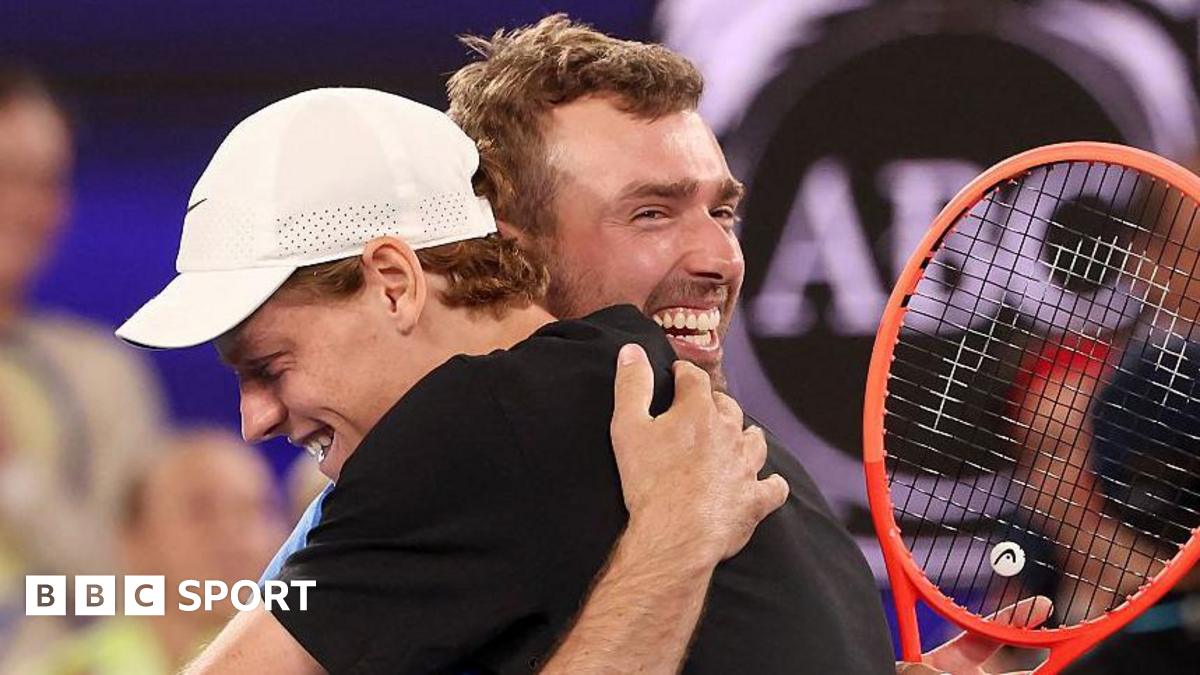
The BBC report focuses on the shock outcome, with Jordan Smith—an outsider by professional standards—winning the entire event. The analysis highlights how the format compresses pressure into a single exchange, making reputation largely irrelevant once the ball is in play. Rather than portraying the result as a fluke, the coverage frames it as a logical consequence of the rules. When margins are this thin, composure and decision-making in one instant outweigh years of ranking points.
One Point Slam LIVE – Pros, amateurs and celebrities collide
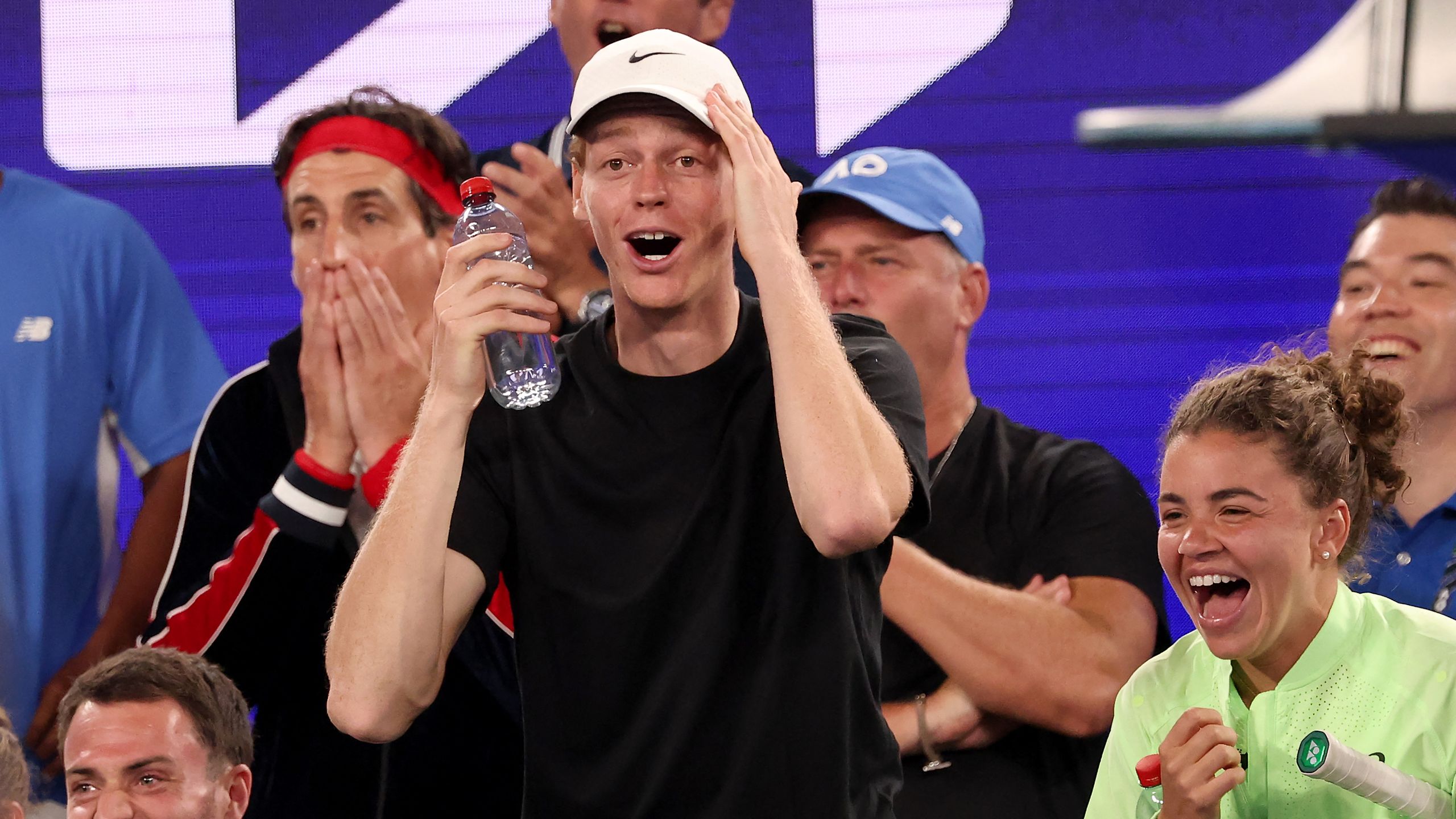
TNT Sports approaches the event as live theatre, emphasising the contrast between established champions and non-professionals sharing the same court. The coverage underscores how the presence of stars such as Carlos Alcaraz and Iga Swiatek raised the stakes, not just financially but psychologically. Watching elite players prepare for a single point against amateurs exposed visible tension, suggesting that vulnerability—not dominance—became the defining image of the tournament.
‘All you have to do is win five or six points’: What are your chances?

This explainer steps back from headlines to examine probability. By breaking down serve speeds, return success, and unforced error rates, the article argues that amateurs are not completely powerless in such a condensed format. The key insight is contextual: elite players dominate over time, not necessarily in isolated moments. The piece reframes the One Point Slam less as a gimmick and more as a statistical experiment played out in public.
Could you win a point against Carlos Alcaraz for $1m?
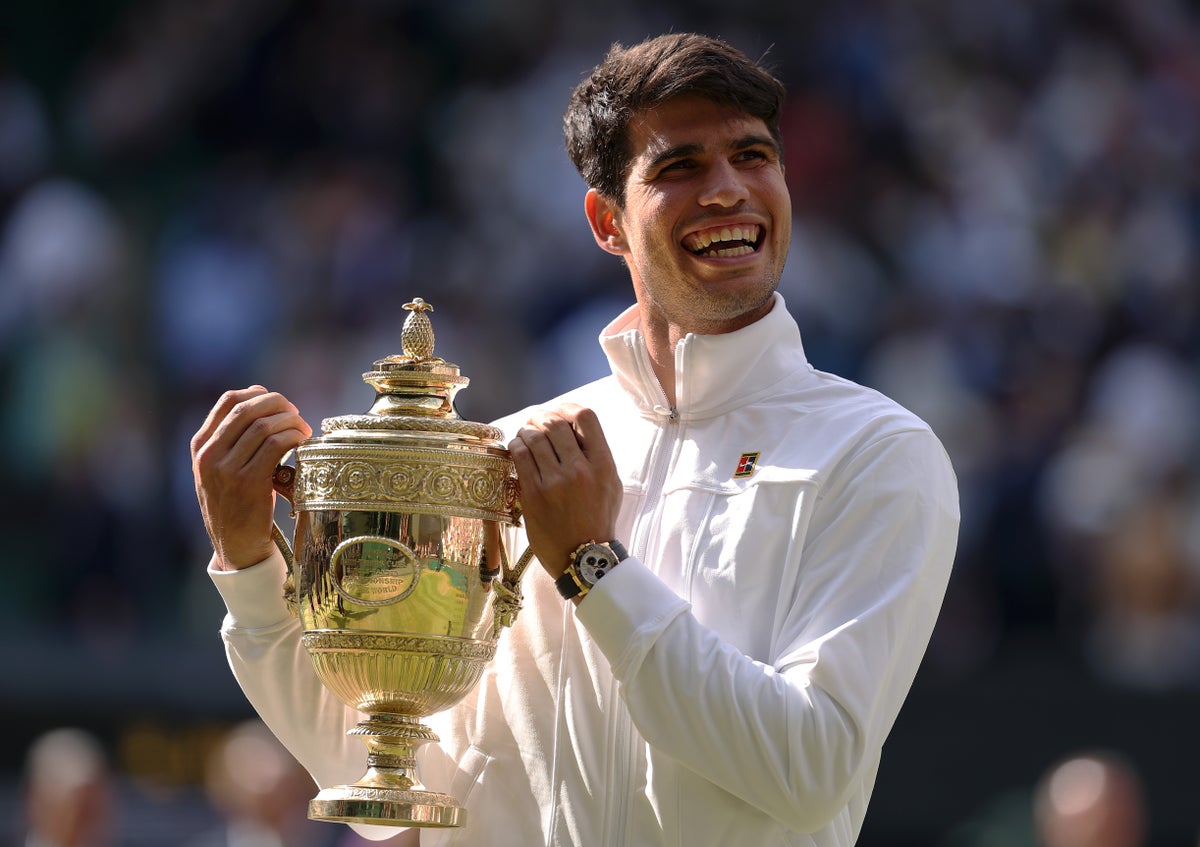
The Independent frames the event through a consumer lens, asking readers to imagine themselves on court. While accessible in tone, the analysis remains grounded, noting how rule tweaks—such as sudden-death points—shift incentives for both server and returner. The article connects the format to a broader trend in sport: creating participatory spectacles that blur the line between elite competition and entertainment.
The glow-up of the Glorious Point Slam
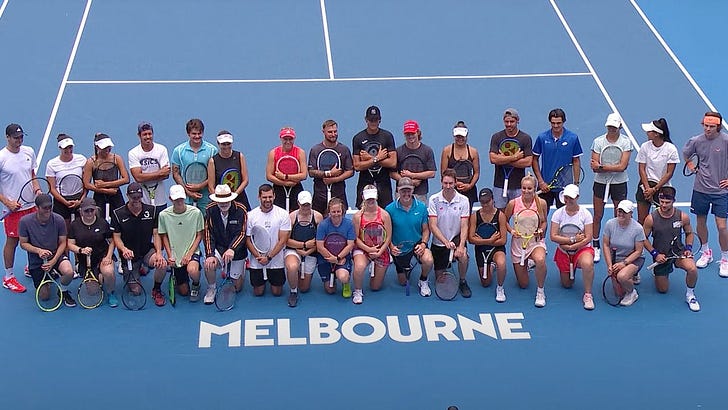
This commentary places the One Point Slam in historical context, noting earlier experiments that struggled to gain legitimacy. The argument here is evolutionary rather than reactionary: tennis has gradually softened its resistance to alternative formats. By situating the event alongside past innovations, the piece suggests that what feels radical now may become routine later, depending on audience response.
UK start time and how to watch the Point Slam

From a UK perspective, this piece highlights how broadcasters positioned the event as appointment viewing despite its unconventional nature. The practical focus on timing and access underscores how quickly the One Point Slam moved from curiosity to mainstream schedule. Its inclusion alongside traditional matches signals institutional acceptance, at least as a complementary attraction.
Summary / Insights
Taken together, coverage of the One Point Slam reveals a sport testing its own boundaries. Supporters see inclusivity, unpredictability, and renewed attention in a crowded media landscape. Critics question whether reducing tennis to a single point undermines the skills that define greatness over five sets. What is clear is that the event has succeeded in provoking debate, drawing audiences, and forcing players and fans alike to reconsider what competition really means.
TL;DR: The One Point Slam turned tennis into a high-stakes coin flip—and in doing so, sparked one of the Australian Open’s most compelling conversations.