
San Siro Ownership Transfer: Inter and AC Milan Seal Historic Deal Amid Legal Probes
The iconic San Siro stadium in Milan has officially changed hands, marking a new era for Italian football. Inter Milan and AC Milan have completed the €197 million purchase of the legendary venue from the Municipality of Milan, formalizing ownership through a deed signed on November 5, 2025. Yet, what should be a moment of celebration for the clubs has also sparked legal scrutiny, as prosecutors investigate potential irregularities in the sale process.
Main Topic Overview
Known globally as one of football’s most storied arenas, San Siro—officially Stadio Giuseppe Meazza—has hosted countless derbies, World Cup matches, and Champions League nights. Its sale represents a historic shift in Italian sports infrastructure, moving away from public ownership toward club-led redevelopment. Both Inter and Milan see the acquisition as a step toward modernization, potentially paving the way for a new, privately funded stadium to rival Premier League facilities. However, questions over the sale’s transparency and public interest value have drawn political and legal attention, clouding the milestone with controversy.
News Coverage
Lo stadio di San Siro è di Inter e Milan: le squadre hanno firmato il rogito e pagato la prima rata

La Gazzetta dello Sport confirmed the official transfer of ownership, reporting that both Milan and Inter have paid the first installment of the €197 million fee. The article described the move as a “historic reconciliation” between two rivals united by economic necessity and shared ambition. It also hinted at modernization plans, including potential renovations or a complete rebuild in the coming years.
San Siro, firmato il rogito: la proprietà passa dal Comune a Inter e Milan

Corriere Milano provided detailed financial insights, stating that the stadium’s valuation and sale terms had sparked a judicial investigation into alleged turbativa d’asta (bid rigging). The piece highlighted political debates over whether the municipality undersold the asset and whether the sale process served the public’s interest. Despite the probe, both clubs remain optimistic about future redevelopment projects.
San Siro: AC Milan and Inter to demolish stadium to compete with Premier League
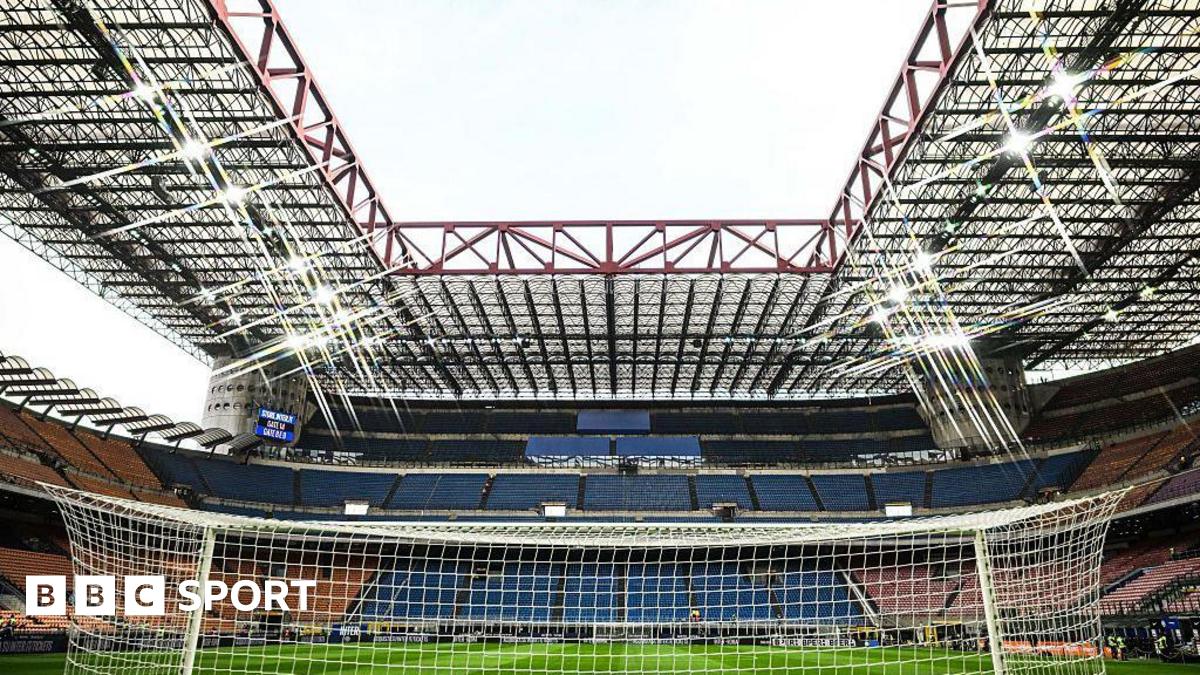
The BBC offered an international perspective, noting that the clubs’ long-term goal might be the stadium’s demolition to make way for a new complex capable of matching English clubs’ modern arenas. The report drew comparisons with Premier League teams’ infrastructure investments, underlining how modernization is now a strategic necessity for Serie A to stay competitive globally.
Vendita San Siro: la Procura di Milano indaga per turbativa d'asta

In a follow-up, La Gazzetta dello Sport revealed that Milan prosecutors had launched an investigation into potential irregularities during the transaction. Officials are reportedly examining whether any internal collusion or misvaluation occurred. The outlet stressed that while the investigation is preliminary, it adds tension to an already politically sensitive sale.
Caso San Siro, Claudio Trotta: “No to Real Estate Speculation”

Concert promoter Claudio Trotta publicly criticized the sale, calling it a “real estate speculation operation” with no public benefit. Speaking to Giornale Radio, he warned that privatizing San Siro could sideline cultural and musical uses of the venue. His statements echo a growing civic movement advocating for greater transparency and preservation of the stadium’s historic legacy.
Milan, Inter sign deed on historic San Siro sale
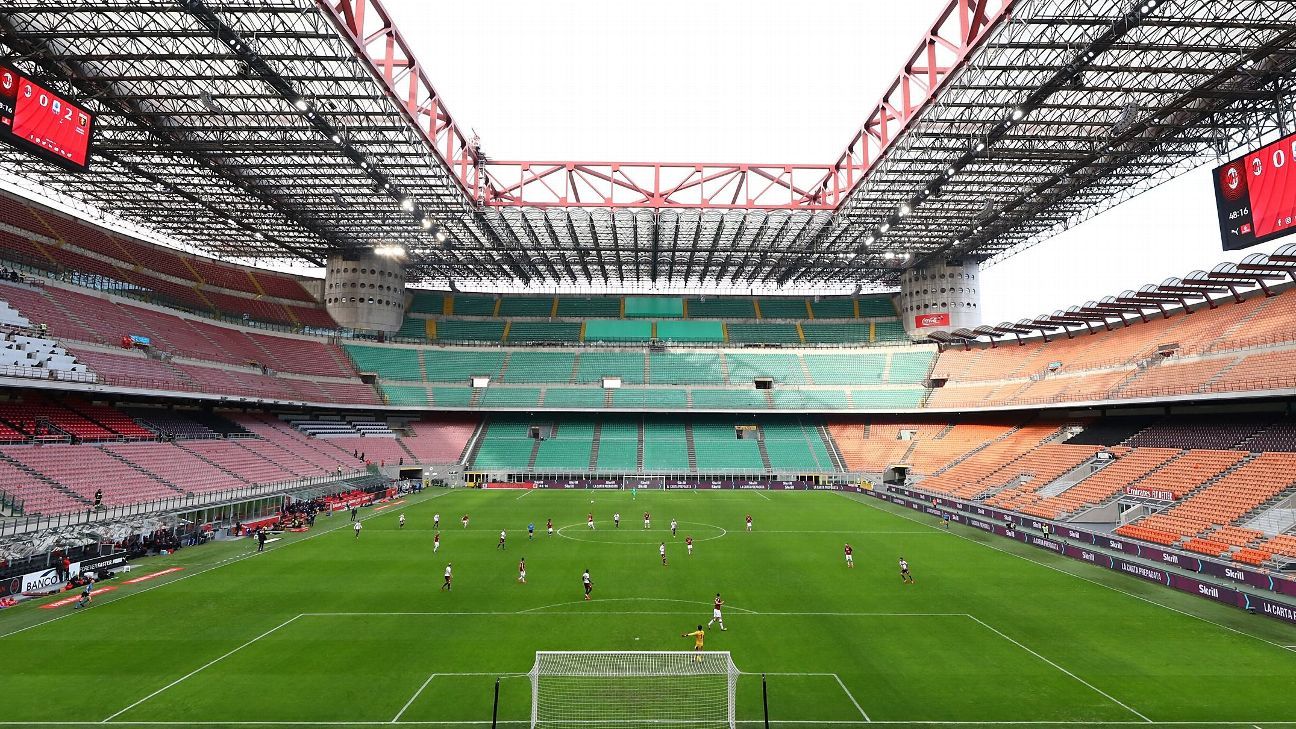
ESPN UK described the transaction as a “key strategic step” for both clubs, who seek to control matchday revenues and long-term development rights. Analysts cited by the outlet suggested that private ownership could unlock commercial potential previously hindered by municipal constraints. The article also noted fan divisions—between those celebrating modernization and others fearing loss of tradition.
Summary / Insights
The San Siro sale represents a defining moment for Italian football—blending ambition with controversy. On one hand, it promises modernization and commercial independence for Milan’s two biggest clubs. On the other, it has raised questions about transparency, heritage, and public accountability. With investigations underway and redevelopment plans looming, the future of San Siro symbolizes Italy’s broader challenge: balancing tradition with the demands of global sports economics.
Internal link: none yet

Resources
Sources and references cited in this article.