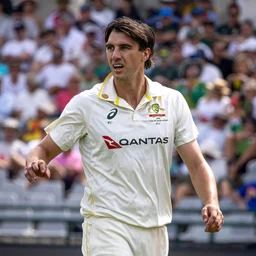
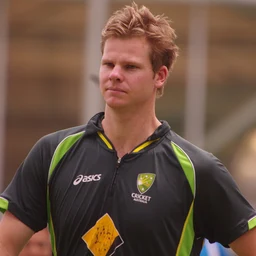
Eight years after Australia's infamous ball-tampering scandal, the dispute has erupted again, with David Warner accusing Cricket Australia of conducting a flawed investigation and former bowler Chadd Sayers claiming the entire team knew about the plan. The latest controversy follows revelations in Usman Khawaja's autobiography, which have prompted renewed questions about who knew what before the 2018 Cape Town Test against South Africa. Australia's current Test captain Pat Cummins has firmly rejected Khawaja's account, while Cricket Australia insists there is no reason to reopen its investigation.

What the Deal Is
The dispute centres on the ball-tampering incident during Australia's Test series in South Africa in 2018. The scandal involved the use of sandpaper to alter the condition of the ball during the Cape Town Test, leading to lengthy suspensions for three Australian players.
Warner, then Australia's vice-captain, captain Steve Smith and opening batter Cameron Bancroft were punished following Cricket Australia's investigation. Warner and Smith received 12-month bans, while Bancroft was suspended for nine months.
Khawaja has now reignited the controversy through his autobiography, Sabr: Finding my way in cricket and in life. He alleges that the entire Australian team knew about the sandpaper plan and claims that ball-tampering tactics had been used previously by Australian players.
Those claims have reopened a difficult question for Australian cricket: whether responsibility for the incident was confined to the three punished players or extended further into the dressing room.
The Key Details
Warner's latest criticism focuses on what he says he was told about the original investigation. He questioned whether Josh Hazlewood, Mitchell Starc and Nathan Lyon were interviewed by Cricket Australia, arguing that the findings could not fairly establish what the bowlers knew if their accounts had not been considered.
However, subsequent media reports confirmed that the bowlers had been interviewed. Warner responded by clarifying that he had not been informed that interviews or statements from those players existed. He argued that access to that information would have been important when he was making decisions during the original investigation.
Cricket Australia rejected the suggestion that players were denied an opportunity to contribute. Its response was that all players had been given the opportunity to speak during the initial investigation and could provide new evidence during the eight years since.
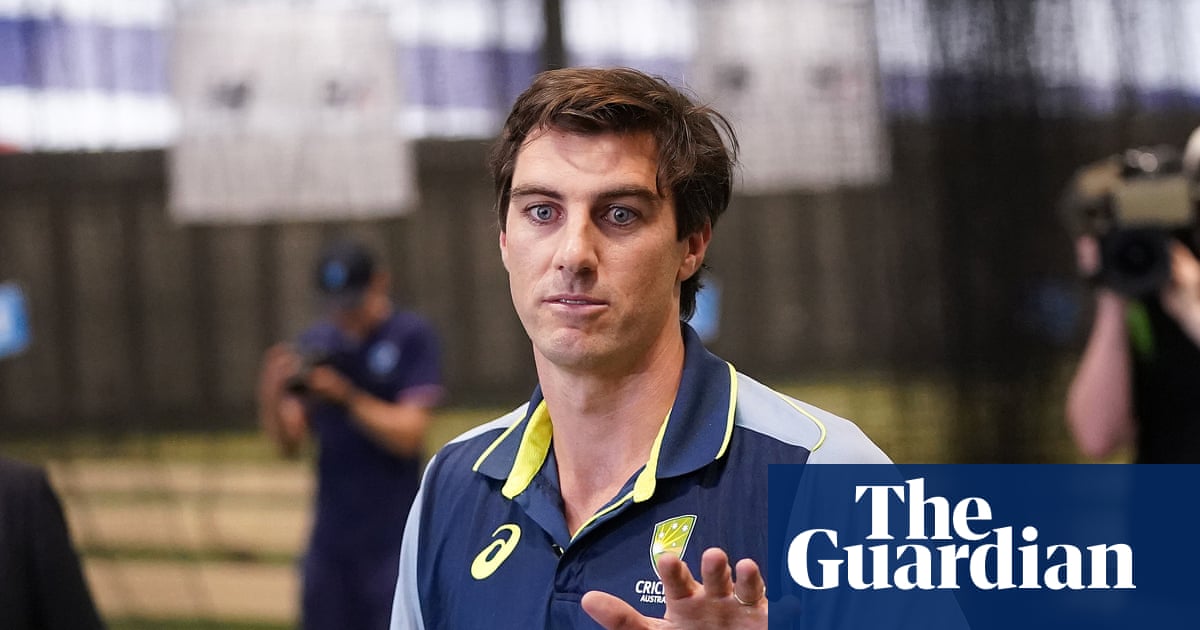
The four frontline bowlers involved in the Cape Town Test, Hazlewood, Starc, Lyon and Pat Cummins, have maintained that they did not know about the plan. They also issued a joint statement in 2021 denying knowledge of the ball-tampering operation.
Why It Happened
The latest confrontation has developed because Khawaja's autobiography challenges the established account of individual responsibility. His claims have placed the actions of the wider team back under scrutiny, particularly the distinction between players who were punished and those who maintained they knew nothing about the plan.
Sayers has added another significant voice to the dispute. Speaking to SEN radio, the former Australia bowler said he believed everyone in the touring side knew what was happening. He also rejected Cummins' account of events surrounding a team discussion after the Cape Town match.
Sayers recalled that players spent approximately 60 to 90 minutes together in the dressing room discussing what had happened and how to move forward. His recollection differs from Cummins' position that there was no team meeting about collective responsibility.
For Sayers, speaking publicly has also brought personal relief. His only Test appearance for Australia came during that South African tour, in the match following the scandal. He said the controversy had repeatedly overshadowed what should have been an important moment in his career.
What It Means for Both Clubs
Although the dispute does not concern a new transfer or contract, its implications extend beyond the individuals involved. Cricket Australia faces renewed questions about the transparency and credibility of its disciplinary process, while current and former players are being drawn into disagreements over events from 2018.
Warner's position is particularly complicated. He accepted his punishment, but now argues that he was not provided with all the relevant information when the investigation took place. His criticism suggests that the consequences of the scandal have continued long after the formal suspensions ended.
For the current Australian team, Cummins' response represents an effort to defend the account maintained by the bowlers. His position is that the wider squad did not know sandpaper was being taken onto the field. Khawaja and Sayers have challenged that version, creating a public disagreement involving several generations of Australian international players.
The controversy also matters to international cricket audiences, including supporters in Britain, where Australia's standing as a major Test cricket rival makes questions surrounding the integrity of its performances particularly significant.
Reactions and What Comes Next
Cummins rejected Khawaja's claims during a press conference on Friday, describing the suggestion that the entire team knew about the sandpaper plan as complete nonsense. He has consistently denied knowing that sandpaper was being used to alter the ball.
Warner subsequently criticised Cummins for his response, saying the Australian captain had thrown Khawaja under the bus. He also expressed disappointment at the way the current captain had addressed the former batter's allegations.
Cricket Australia's chief executive Todd Greenberg has made the governing body's position clear. He said there was no compelling reason to reopen the investigation, adding that the board was satisfied with the outcome based on the information available.
Meanwhile, Warner has continued to defend his criticism through social media, questioning why the findings and evidence concerning the bowlers were not communicated to him at the time.
For now, there is no indication that Cricket Australia intends to launch another investigation. The disagreement is instead continuing through public statements and competing recollections from those involved. Whether further evidence emerges to resolve the conflicting accounts remains the central unanswered question.
Frequently Asked Questions
What was Australia's 2018 sandpaper scandal?
It was a ball-tampering incident during Australia's Test match against South Africa in Cape Town, involving the use of sandpaper to alter the ball's condition. David Warner, Steve Smith and Cameron Bancroft were subsequently suspended.
Why is David Warner accusing Cricket Australia of a cover-up?
Warner questions the transparency of the original investigation and says he was not informed that bowlers had been interviewed or had provided statements. He believes this information could have influenced his decisions during the investigation.
What did Usman Khawaja claim in his autobiography?
Khawaja alleged that the entire Australian team knew about the sandpaper plan before the Cape Town Test and claimed Australian players had previously used ball-tampering tactics.
What did Chadd Sayers say about the controversy?
Sayers said he believed everyone in the Australian Test side knew about the plan. He also recalled a lengthy dressing-room discussion after the incident about responsibility and the team's next steps.
Will Cricket Australia reopen the investigation?
No. Chief executive Todd Greenberg said the governing body saw no compelling reason to revisit the investigation and remained satisfied with its original outcome.