
As the Milano Cortina 2026 Winter Games unfold, a specific three-letter acronym has become a central point of discussion: AIN. Standing for Athlètes Individuels Neutres (Individual Neutral Athletes), this designation represents a significant shift in how international sports bodies manage geopolitical conflict. For the first time in a Winter Games setting, athletes from Russia and Belarus are competing without their national flags, anthems, or official recognition. This arrangement is designed to balance the right of individual competitors to perform with the collective sanctions imposed on their nations following the 2022 invasion of Ukraine.
Main Topic Overview
The AIN framework is a strict eligibility system implemented by the International Olympic Committee (IOC). It allows select individuals with Russian or Belarusian passports to participate provided they meet rigorous criteria: they must have no links to the military or security agencies and must not have expressed active support for the ongoing conflict. Unlike previous "Olympic Athletes from Russia" (OAR) or "Russian Olympic Committee" (ROC) delegations, AINs do not form a team. They wear neutral teal-coloured uniforms, compete under a bespoke instrumental anthem, and their medals are not recorded in the official national standings. This approach aims to neutralise the games as a platform for nationalistic propaganda while maintaining the Olympic principle of individual participation.
What is AIN at Olympics? Explaining neutral athletes

This report clarifies that AIN is not a country, but a French-derived classification for "Individual Neutral Athletes." It highlights that these competitors are subject to a vetting process far stricter than that of standard Olympians. The coverage explains that the designation was carried over from the Paris 2024 Summer Games to ensure consistency in how the IOC handles the suspension of the Russian and Belarusian Olympic Committees. By detailing the absence of national symbols, the article underscores the total removal of state identity from the athlete's experience.
IOC moves closer to reinstating Russia by LA, but backlash may put its return on ice

The focus here shifts to the future of the AIN designation, revealing that the IOC is considering a path for Russia’s full reinstatement by the Los Angeles 2028 Games. The reporting suggests that sports officials are increasingly wary of the long-term exclusion of a major sporting power. However, the article notes significant friction from other nations and human rights groups, who argue that any return to normalcy while the conflict continues would undermine the integrity of the Olympic movement. This piece frames the AIN status as a temporary, albeit contested, bridge toward a possible full return.
Russia plays prideful, but there’s no doubt the Olympics ban is hurting
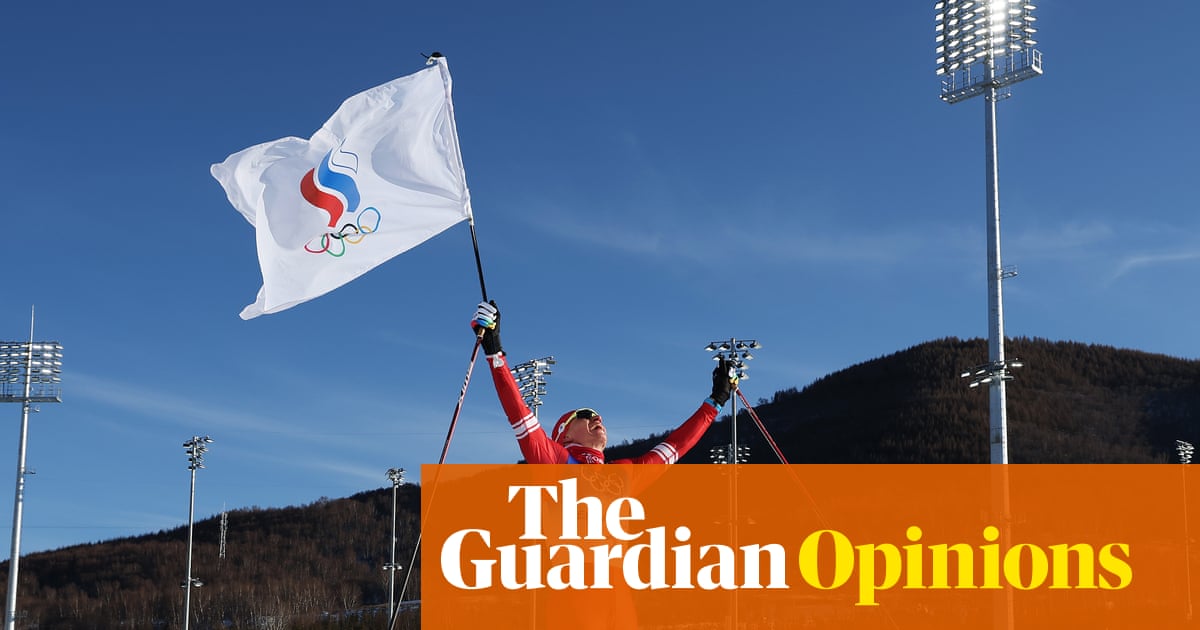
This analytical piece explores the psychological and cultural impact of the AIN status within Russia. While state media often dismisses the importance of the Games or highlights alternative competitions, the author argues that the absence of the Russian flag and the reduced number of competitors—just 13 Russian AINs in 2026—is a visible blow to national prestige. The article connects the AIN trend to a broader history of Russian sports sanctions, suggesting that the current restrictions are far more isolating than the previous doping-related bans, as it separates individual athletes from their state identity entirely.
Summary / Insights
The AIN trend at the 2026 Winter Olympics highlights a complex compromise in global diplomacy. By limiting participation to just 20 athletes (13 from Russia and 7 from Belarus) across eight sports, the IOC has significantly reduced the presence of these nations compared to previous years. Key themes emerging from this coverage include:
- Erosion of National Identity: The AIN status effectively decouples athletic achievement from state-sponsored glory, as seen by the ban on team sports like Ice Hockey.
- Political Friction: While the IOC aims for neutrality, the presence of AIN athletes continues to draw criticism from countries like Ukraine, who view their inclusion as a form of "soft power" for the sanctioned states.
- Uncertain Future: Recent discussions regarding the 2028 Games suggest the AIN era might be a transitional phase, though any move toward full reinstatement remains highly volatile.
TL;DR
AIN stands for Individual Neutral Athletes—a category for vetted Russian and Belarusian competitors who must participate without national flags or anthems. Only 20 athletes qualified for 2026 under these strict rules, representing a major reduction in their global sporting presence amid ongoing international sanctions.