
The Rise of Enhanced Games: A New Era in Athletics
The Enhanced Games have become a focal point in the sports world, drawing attention for their controversial stance on performance enhancement. This trend digest explores the implications of former Olympian Reece Prescod joining the Enhanced Games, a move that has sparked widespread debate and media coverage.
Main Topic Overview
The Enhanced Games are carving out a niche in the athletics world by allowing athletes to compete without the typical restrictions on performance-enhancing substances. This has led to a polarized reception, with supporters advocating for freedom of choice and critics expressing concern over ethical implications.
News Coverage
Enhanced Games sprinter Reece Prescod 'not taking drugs' for Las Vegas event
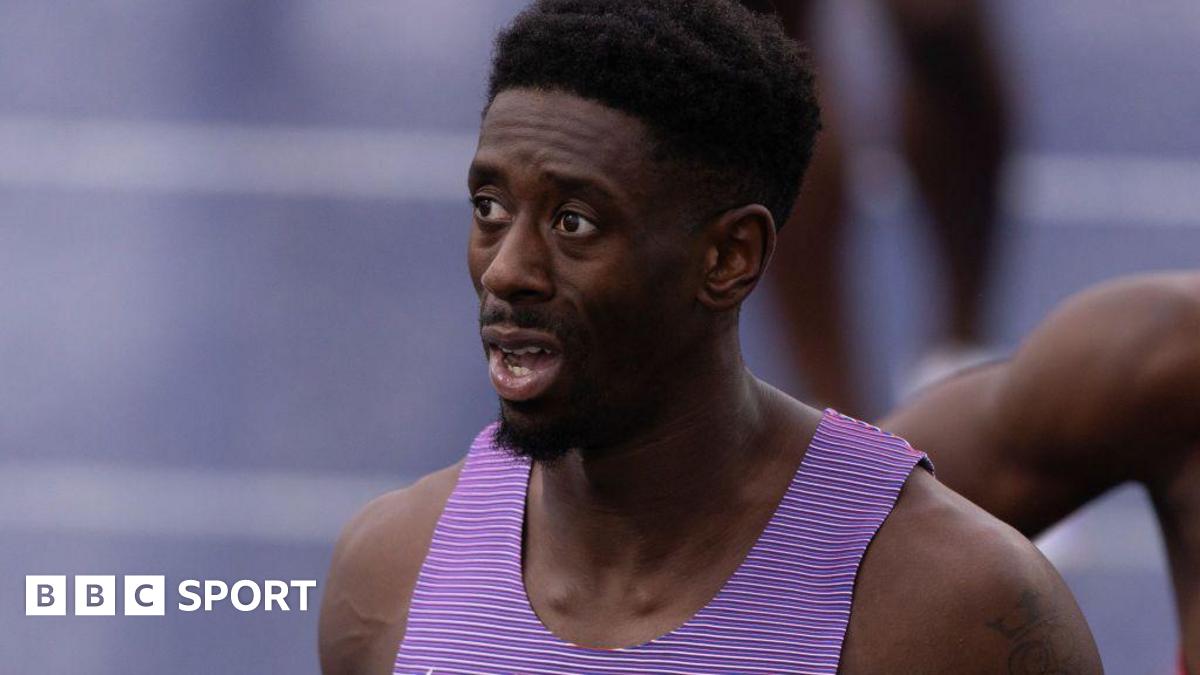
In a recent interview with BBC, Reece Prescod clarified his position, stating that he would not be using performance-enhancing drugs despite joining the Enhanced Games. His decision underscores a broader conversation about athlete autonomy and the ethical complexities of performance enhancement. The Enhanced Games have positioned themselves as a platform challenging traditional sports paradigms, and Prescod's involvement adds significant weight to their cause.
Reece Prescod: British Olympian joins Enhanced Games

The Times reported on Prescod's official alignment with the Enhanced Games, highlighting his strategic move as a career revitalization effort. This decision has stirred mixed reactions, as it challenges the established norms of athletic competition. The article delves into Prescod's motivations, including financial incentives and the opportunity to compete on different terms. This narrative reflects a growing trend of athletes seeking alternative paths in their professional journeys.
Former British Olympic sprinter accused of ‘appalling’ move after joining Enhanced Games athlete
Yahoo Sports covered the backlash faced by Prescod, describing his switch to the Enhanced Games as 'appalling' according to some critics. The piece outlines the ethical concerns and societal expectations at play, presenting viewpoints from various stakeholders in the sports community. This coverage illustrates the deep divide between traditional sports orthodoxy and emerging alternative competitions, emphasizing the complexities athletes face in their personal and professional decisions.
‘I was doing am removals shifts’ — Reece Prescod on why he joined Enhanced Games

In a candid interview with The Times, Prescod revealed his personal struggles, including financial instability, that led him to the Enhanced Games. His story sheds light on the often-hidden realities faced by athletes outside the limelight. This narrative not only humanizes Prescod but also highlights systemic issues within traditional athletic structures, prompting a broader discussion on athlete welfare and the allure of alternative competitions.
Summary / Insights
The Enhanced Games represent a significant shift in the sports landscape, challenging conventional views on performance enhancement and athlete autonomy. Reece Prescod's involvement underscores a broader trend of athletes exploring alternative paths in response to personal and systemic pressures. As more athletes join the Enhanced Games, the conversation around ethics, competition, and athlete welfare will likely intensify, potentially reshaping the future of sports.

Resources
Sources and references cited in this article.