
British ice dancing is once again under the spotlight as Lilah Fear and Lewis Gibson narrowly missed out on a Winter Olympic medal in Milano Cortina. Their performance has reignited discussion about the enduring legacy of Torvill and Dean and the challenge of ending Team GB’s long medal drought in figure skating. For many in Great Britain, the moment represents both progress and frustration — a reminder of past triumphs and the fine margins that define modern Olympic competition.
Main Topic Overview
The central theme dominating coverage is the contrast between high expectations and the unforgiving nature of elite ice dance. Fear and Gibson entered the Games as strong contenders, widely regarded as Team GB’s best chance of a podium finish in figure skating for decades. However, a costly slip in their free dance routine significantly impacted their final score.
This result has extended Britain’s wait for another Olympic ice dance medal since the era defined by Jayne Torvill and Christopher Dean. Their gold medal performance in 1984 remains one of the most iconic moments in British sporting history. The comparison is not presented as direct equivalence but as historical context — illustrating how rare Olympic success in this discipline has been for the UK.
News Coverage
'Costly and devastating' error sees GB's Fear & Gibson miss medal
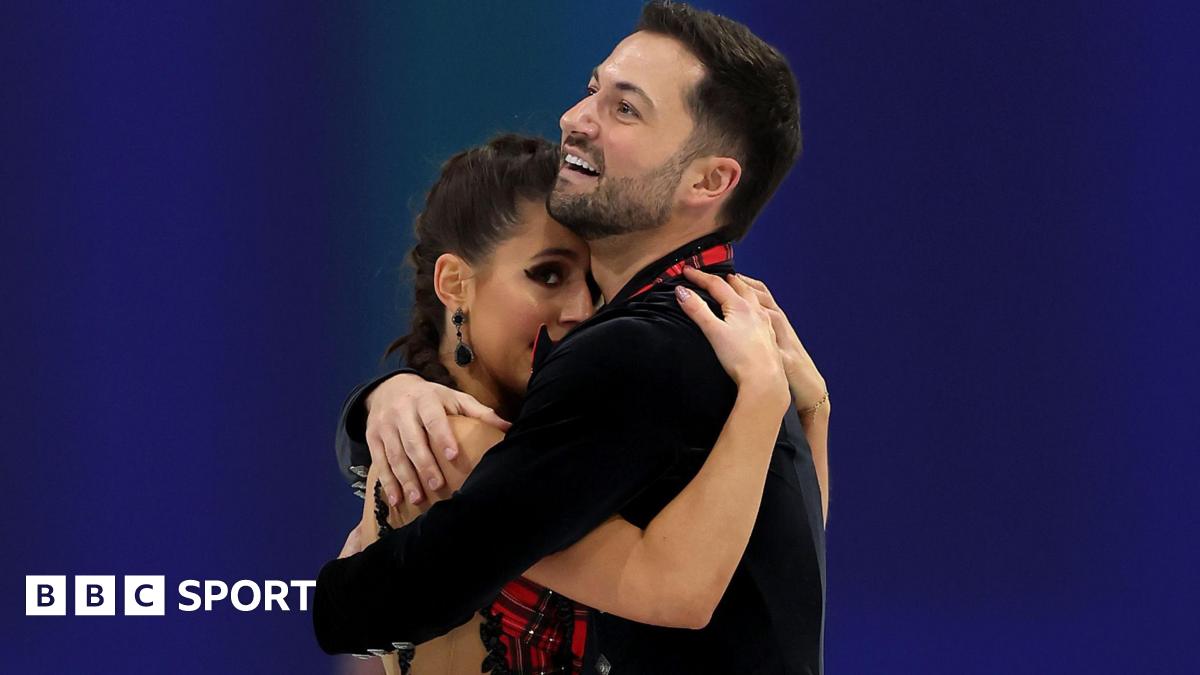
The BBC report focuses on the decisive moment in the free dance when a slip disrupted the routine and reduced the pair’s technical score. In ice dance, even minor errors can have significant consequences due to the tight scoring margins among leading teams. The article explains how the mistake shifted them from medal contention into fourth place, underlining how competitive the field was.
Coverage also reflects on the emotional reaction from the athletes, highlighting the sense of opportunity lost while acknowledging their overall strong performance across the competition. This framing places the incident within the broader narrative of Britain striving to return to the Olympic podium in figure skating.
Fear and Gibson suffer nightmare on ice as GB Winter Olympic medal drought goes on
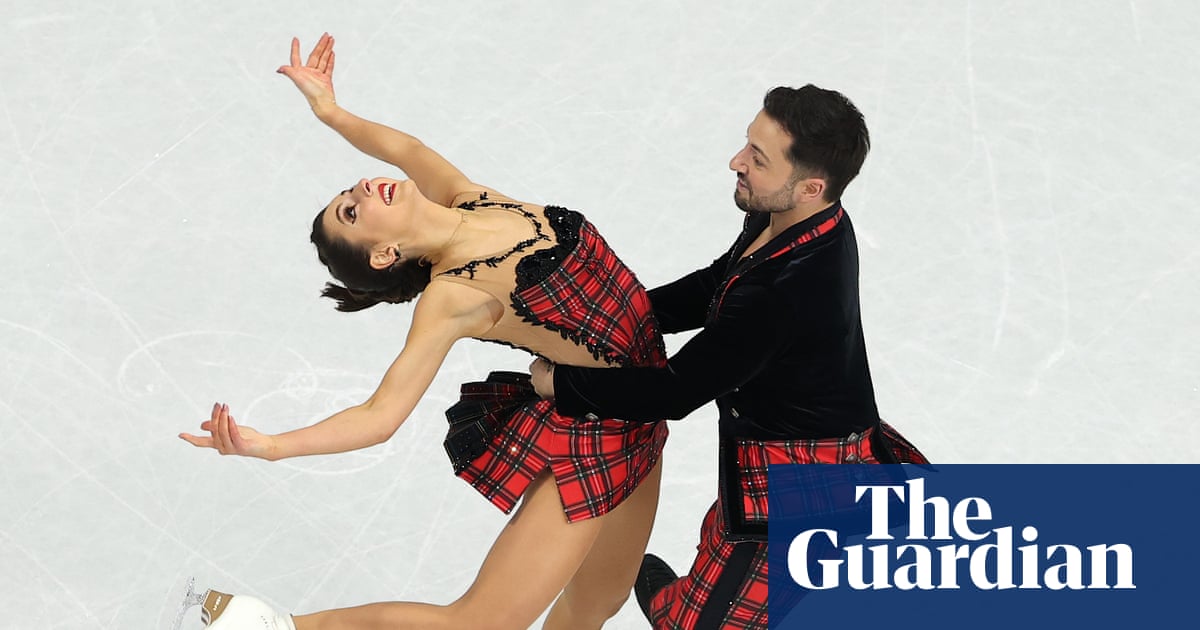
The Guardian places the performance in historical perspective, emphasising that Britain’s wait for an Olympic figure skating medal continues. It explains how the slip occurred during a critical phase of the choreography and details the judges’ scoring response.
The article also explores expectations built around the pair’s distinctive style and previous international results. By linking the outcome to the broader Olympic cycle, coverage highlights how close Britain came to ending a decades-long drought — reinforcing why comparisons to Torvill and Dean remain central in public discourse.
Ice Dance drama as Team GB take on the biggest stage in Milano Cortina

The governing body’s coverage emphasises preparation, resilience and the presence of multiple British teams on the Olympic stage. It outlines how Fear and Gibson, alongside other British skaters, represented progress in depth and competitiveness for the discipline.
While acknowledging the disappointment of missing a medal, the tone underscores long-term development and continued commitment to distinctive choreography. This perspective contributes to the broader trend narrative by framing the result not only as heartbreak but as part of sustained growth in British ice dance.
Summary / Insights
The coverage collectively centres on three key themes: the fine margins of Olympic ice dance scoring, the emotional impact of narrowly missing a medal, and the lasting shadow of Torvill and Dean’s 1984 triumph. While the slip was decisive, most reporting acknowledges that Fear and Gibson remain among the world’s leading teams.
Historically, British figure skating has experienced long periods between Olympic podium finishes. This context explains why expectations were particularly high. The outcome illustrates both the competitiveness of modern ice dance and the challenge of converting strong international form into Olympic medals.
TL;DR
Fear and Gibson narrowly missed an Olympic medal after a slip in their free dance. The result has renewed discussion of Torvill and Dean’s legacy and Britain’s long wait for another Olympic ice dance podium finish.