

£150 million is the price tag attached to Glasgow's radically reduced Commonwealth Games, a fraction of the hundreds of millions spent on recent editions. Around 3,000 athletes from 74 nations and territories are gathering in Scotland for an event built in roughly 18 months after Victoria, Australia, abandoned plans to host because of escalating costs. What begins as an 11-day sporting festival is also a live test of whether the Commonwealth Games can survive by becoming smaller, cheaper and easier for cities to stage.

What Is Happening
Glasgow is hosting the 23rd Commonwealth Games, returning to the city 12 years after the 2014 edition. Competition spans four main venue areas and a programme of 10 sports, with 215 gold medals available and a record 47 Para-sport medal events.
The opening ceremony at the Hydro brings together King Charles, Queen Camilla, Sir Chris Hoy and Scottish performers including KT Tunstall, Nathan Evans and Saint PHNX. The King is due to read the message carried through the baton relay before formally declaring the Games open.
The sporting programme includes athletics and Para-athletics at Scotstoun Stadium, swimming and Para-swimming at Tollcross, track cycling and artistic gymnastics at the Sir Chris Hoy Velodrome and Arena, with netball, boxing, bowls, judo, weightlifting, Para-powerlifting and 3x3 basketball among events staged around the Scottish Event Campus.
- Integrated Para-sport
- Para events are included within the same Games programme and their medals count towards the overall medal tally.
- Scaled-back Games
- A smaller hosting model using fewer sports, fewer venues and existing facilities to reduce costs and preparation demands.
The Background
Glasgow was not supposed to host the 2026 Games. The Australian state of Victoria withdrew in 2023 after projected costs rose dramatically, throwing the event's future into doubt. Glasgow eventually stepped in with a compressed preparation period and a model designed around existing venues rather than expensive new construction.
The contrast with previous editions is stark. BBC reporting puts Glasgow 2026's total cost at about £150m, with £100m coming from Commonwealth Sport and the balance expected from commercial sources including ticketing, sponsorship, broadcasting and merchandise. Birmingham 2022, by comparison, was reported to have cost about £778m.
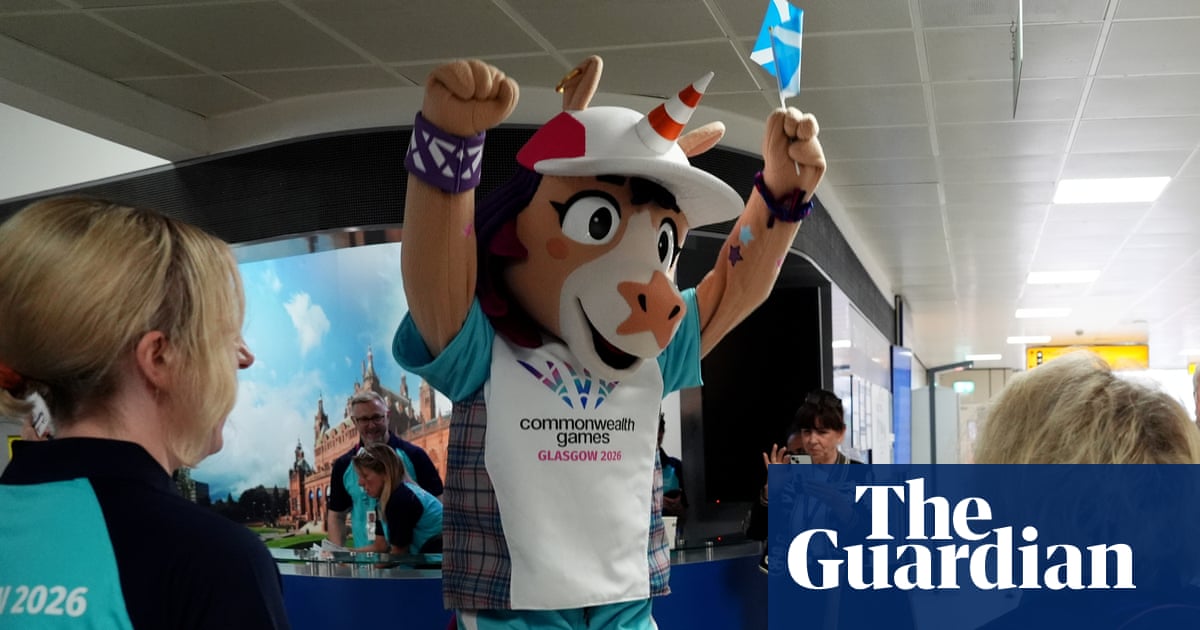
That economy comes with visible compromises. Athletics has moved from the vast Hampden Park setting used in 2014 to Scotstoun Stadium, which holds around 11,000 spectators. Several sports that featured at previous Games, including hockey, badminton, squash and diving, are absent.
The Latest Development
Attention has intensified as the opening ceremony turns years of uncertainty into an actual sporting event. Organisers now have 11 days to demonstrate that reducing scale does not have to reduce significance.
There is genuine star power. Scotland's Josh Kerr arrives after breaking the mile world record, while swimmers including Chad le Clos, Duncan Scott and Adam Ramsay-Peaty are among the headline names. Le Clos enters Glasgow with 18 Commonwealth medals and the chance to become the most decorated male athlete in Games history.
There are notable absences too. Keely Hodgkinson, Dina Asher-Smith, Julien Alfred and Summer McIntosh are among leading athletes not competing, while Katarina Johnson-Thompson has withdrawn with injury. That leaves organisers balancing a strong programme against questions over whether the Games can consistently attract the biggest names.
What It Means
For UK audiences, Glasgow 2026 matters beyond the medal table because its financial model could influence how major multi-sport events are staged. Organisers argue that existing venues, fewer disciplines and a shorter preparation window can make hosting more realistic for cities unwilling to accept the risks associated with huge infrastructure budgets.
Scotland's government also expects more than £150m in economic benefit, with local businesses and jobs anticipated to gain from athletes, officials and visitors. Whether that forecast is achieved will become part of the wider judgement on the model.
British viewers will notice another significant change: live television coverage is on TNT Sports and HBO Max rather than free-to-air BBC television. BBC Radio 5 Live retains radio coverage, but the absence of free live terrestrial TV may make it harder for the Games to reach casual audiences at precisely the moment organisers want to prove their continuing relevance.
What Remains Unclear
The central unanswered question is whether Glasgow's rescue model can work repeatedly rather than once. Ahmedabad has secured the 2030 Games, and interest has been reported for 2034, giving the movement a clearer path than it had after Victoria's withdrawal.
Yet ticket demand, broadcast reach, athlete participation and financial outcomes will all shape the verdict. Tickets remained available across many sports as the Games began, while the smaller venues mean total attendance cannot approach Glasgow 2014's roughly 1.3 million ticket sales.
By 2 August, Glasgow will have awarded hundreds of medals. The more consequential result may be whether this stripped-back edition convinces future hosts that the Commonwealth Games can be staged without the financial exposure that nearly caused the 2026 event to disappear.
FAQ
When are the 2026 Commonwealth Games?
The Glasgow Games begin on 23 July 2026 and run until 2 August, with the closing ceremony scheduled at the Hydro.
Why is Glasgow hosting the 2026 Commonwealth Games?
Glasgow stepped in after the Australian state of Victoria withdrew because projected hosting costs had risen sharply.
How many sports are at Glasgow 2026?
The programme contains 10 sports, with six including Para competition and a record 47 Para-sport medal events.
How many athletes are competing?
Around 3,000 athletes from 74 nations and territories are taking part in the Games.
How can UK viewers watch the Commonwealth Games?
Live television coverage is available through TNT Sports and HBO Max, while BBC Radio 5 Live provides radio coverage.
Where will the next Commonwealth Games be held?
Ahmedabad in India is set to host the centenary Commonwealth Games in 2030, when the programme is expected to expand again.