
For anyone in the UK wondering if wearable technology will ever shake off its invasive reputation, Meta’s latest product announcements signal a significant shift in strategy. The tech giant has unveiled a new camera-free version of its popular smart glasses, responding directly to mounting public unease and bans across various venues. Here is what this means for consumers as the debate over wearable privacy intensifies.

What Is Happening
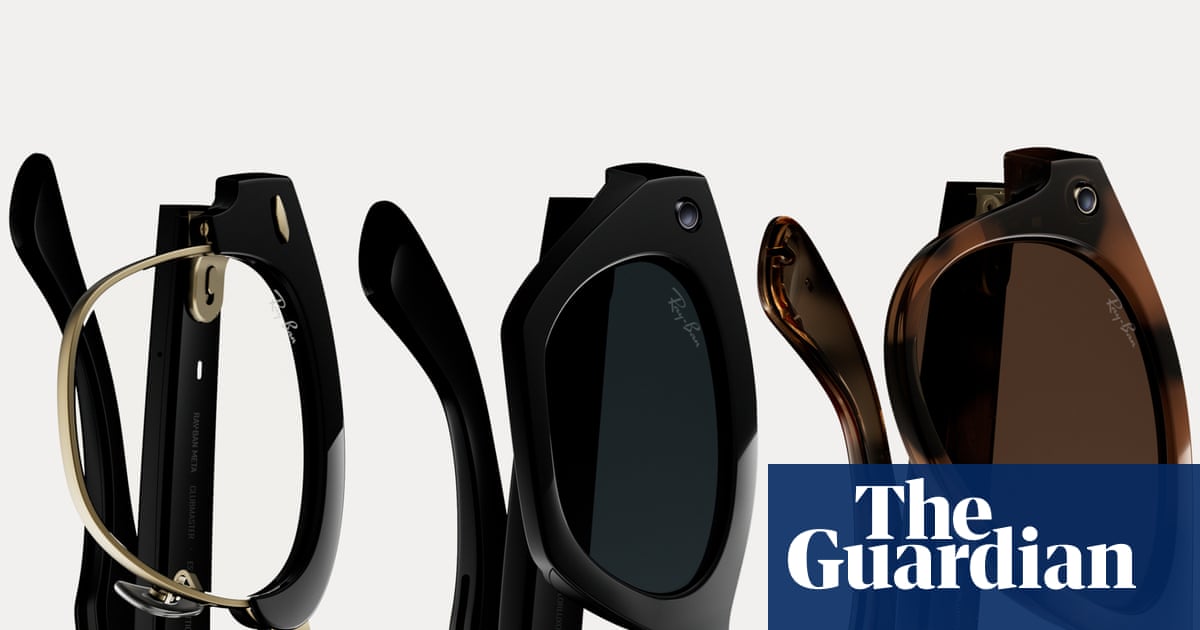
Meta has announced the upcoming release of the Ray-Ban Meta Audio glasses, a new wearable device that completely removes the camera found on previous models. While the original camera-enabled specs faced severe criticism and earned labels such as 'pervert glasses' or 'spy glasses' due to unauthorized filming, the new audio-only version retains built-in speakers and microphones for phone calls, music playback, and voice assistant interactions. Priced starting at £319 (€349), these lightweight frames weigh 43 grams and offer up to 12 hours of battery life on a single charge.
The Background
When Meta first partnered with Ray-Ban in 2023 to launch AI-powered smart glasses, they quickly became a commercial success but simultaneously ignited a storm of privacy concerns. Multiple reports emerged of the devices being used to surreptitiously film individuals, particularly women and girls, without consent. Consequently, several high-profile establishments in the UK—including JD Wetherspoon pubs, major theatres, and schools—implemented outright bans. Despite integrating a blinking white LED light to indicate active recording, technical workarounds and growing public discomfort prompted fierce activist campaigns calling for urgent regulatory oversight.
The Latest Development
Alongside the camera-free model, Meta also revealed third-generation camera-equipped glasses featuring a new 6-mic background noise reduction array, alongside expanded availability for its advanced display wearables. Industry analysts note that introducing a camera-free option allows Meta to cater to privacy-conscious consumers while maintaining its presence in the wearable market. Critics like tech campaigner Liz Hunter, however, argue that camera-enabled smart glasses should remain restricted entirely to specialized uses, such as assisting the blind community, rather than being made available to the general public.
What It Means
For everyday users in the UK, the arrival of camera-free smart glasses offers a middle ground for individuals who want hands-free audio and AI assistance without risking social friction or contributing to surveillance anxieties. Meanwhile, the persistence of camera-equipped models alongside audio-only variants suggests that tech companies are testing public boundaries to see whether social norms will eventually adapt to ubiquitous recording devices, much as they eventually did with smartphone cameras.
What Remains Unclear
It remains uncertain whether a camera-free wearable can effectively shed the reputational baggage attached to Meta's earlier iterations. Furthermore, exact global sales figures for camera-tampering workarounds remain low according to the manufacturer, yet independent developer tools designed to detect nearby smart glasses continue to see thousands of downloads, highlighting an ongoing friction between innovators and privacy advocates.
Frequently Asked Questions
- Do the new Ray-Ban Meta Audio glasses have a camera? No, the new audio-only model completely lacks a camera, featuring only open-ear speakers and microphones for audio playback and voice commands.
- How much do the audio-only glasses cost? Pre-orders start at $349, with UK pricing positioned around £319.
- Why did Meta introduce a camera-free model? The release responds to significant public backlash, privacy concerns, and venue bans associated with surreptitious recording using earlier camera-enabled versions.
- Can you still buy smart glasses with cameras from Meta? Yes, Meta continues to sell and update its camera-equipped line, including the new third-generation Ray-Ban Meta models.
- What battery life can users expect? The new audio-only glasses deliver up to 12 hours of continuous use on a single charge, with an additional 48 hours provided by the charging case.