
Last updated: 5 November 2026, 13:31 GMT
Passengers were escorted off aircraft, fighter jets scrambled into the sky and several commercial flights were diverted to unfamiliar airports on Thursday. A wave of suspected bomb threats has disrupted at least 18 flights across Europe, including a Ryanair service departing London Stansted and an Aer Lingus flight travelling from Dublin to Rome. Authorities have reported no explosives found during the inspections completed so far, while investigations continue into who is behind the alerts.

What the Disruption Is
Airlines and airport authorities across Europe have been responding to a series of suspected bomb threats targeting passenger aircraft. The incidents have prompted emergency security procedures, aircraft inspections, diversions and military escorts.
The UK Transport Secretary, Heidi Alexander, described the incidents as malicious hoax threats. She said established procedures were being followed and that the government was taking the reports seriously.
The incidents are not limited to Thursday. At least seven flights were reportedly affected on Tuesday, with aircraft searched in Rome, Warsaw, Sofia and Murcia. Two of Tuesday's affected flights departed from the UK, one from Heathrow and another from Manchester.
However, the authorities have not established whether the separate incidents are connected. EU transport commissioner Apostolos Tzitzikostas said it was too early to draw conclusions, confirming that national investigations remain ongoing.
Which Routes and Services Are Affected
The disruption has involved several major European airlines, including Ryanair, Aer Lingus, Finnair, LOT Polish Airlines, Wizz Air and Aegean Airlines. Flights connecting Italy, Bulgaria, Poland, Romania, Austria and the Czech Republic have featured prominently in reports.
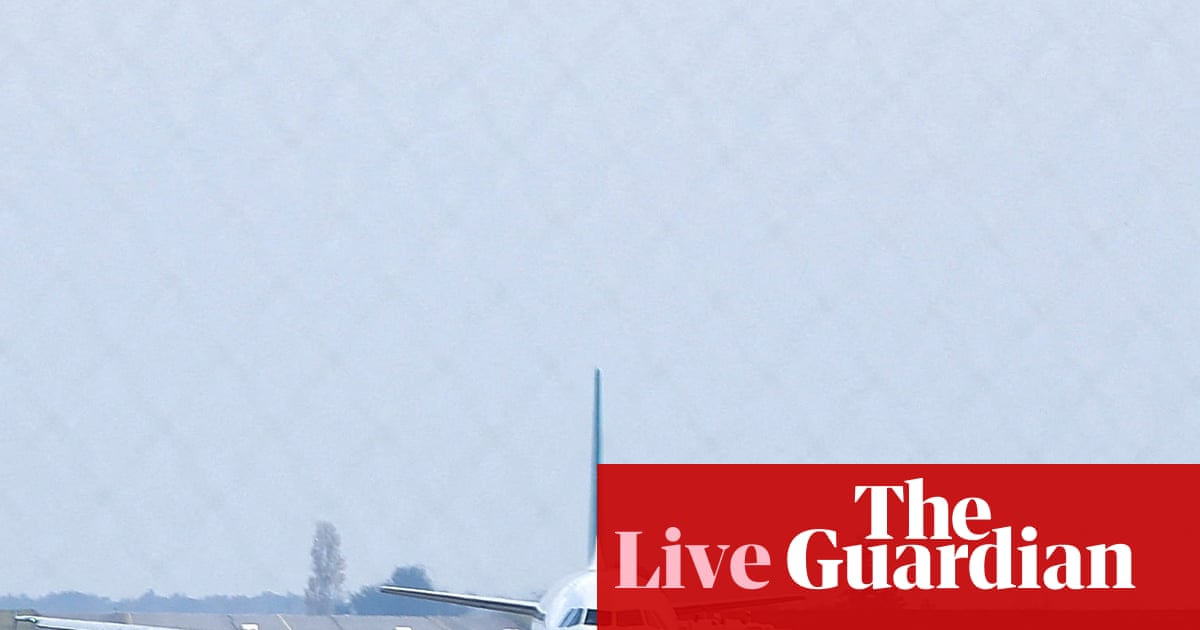
For travellers departing from Britain, the Ryanair service from London Stansted to Sofia is particularly relevant. The aircraft was diverted to Plovdiv Airport in Bulgaria after a reported security threat. Bulgarian fighter jets escorted the affected aircraft as part of the country's air-policing response.
Other reported incidents include:
- Aer Lingus: Dublin to Rome, diverted to Evreux military airbase in Normandy, France.
- Ryanair: London Stansted to Sofia, diverted to Plovdiv.
- Ryanair: Madrid to Sofia and Copenhagen to Sofia, both landed in Bulgaria.
- Wizz Air: Milan to Warsaw, diverted to Vienna.
- Wizz Air: Milan to Bucharest, landed safely in Romania.
- Finnair: Helsinki to Rome and Helsinki to Vienna, both affected by reported threats.
- LOT Polish Airlines: Warsaw to Brussels and Warsaw to Paris, with the latter stopped before take-off.
Four Prague-bound aircraft also received threats, according to Czech police. Reports identified flights departing from Greece, Ireland and the UK among those affected. Three further flights were reported to have received threats at Madrid airport, although their identities have not been disclosed.
The Scale of the Impact
By Thursday afternoon, the reported number of affected flights had reached at least 18. More than 20 suspected hoax threats had been reported across Europe during the week, according to the information available from European authorities and news reports.
One of the most significant incidents involved Aer Lingus flight EL402, travelling from Dublin to Rome. The aircraft departed Dublin at 06:40 GMT and was diverted to Evreux airbase in northern France. The French prime minister's office confirmed that 151 passengers and six crew members were brought to safety.
In Bucharest, nearly 200 passengers were evacuated from a Wizz Air aircraft arriving from Milan. Romanian authorities activated emergency procedures and deployed specialist explosives disposal personnel to inspect the plane.
Meanwhile, the Bulgarian air force deployed MiG-29 fighter jets from Graf Ignatievo Air Base at 08:11 GMT to intercept and escort three Ryanair flights heading towards Bulgaria. The aircraft from London landed at Plovdiv, while the Madrid and Copenhagen services reached Sofia.
Security inspections produced reassuring results in several locations. No explosives were found on the four Prague-bound aircraft, and checks on the three affected Ryanair flights in Bulgaria identified no issues. Authorities in Rome also reported negative inspection results.
The incidents nevertheless create significant operational costs. Aviation safety expert Marco Chan, a senior lecturer in aviation operations at Kingston University and a former Cathay Pacific pilot, explained that the cost of issuing a false threat can be minimal compared with the disruption imposed on airlines, airports and military services.
What Travellers Should Do
Passengers travelling between the UK and affected European destinations should pay attention to information issued by their airline and the relevant airport. The incidents demonstrate that a flight can be diverted even after departing normally, as security authorities assess information received during a journey.
Travellers booked on affected services should follow instructions from airline staff and airport authorities. Passengers whose flights are diverted should check the arrangements communicated by their carrier rather than assume that the aircraft will continue to its original destination.
Aer Lingus has confirmed that it is working to reaccommodate passengers from its Dublin-Rome flight so they can reach their final destination. Bulgarian authorities have also confirmed that Ryanair is arranging transport for passengers who landed at Plovdiv instead of Sofia.
There is no confirmed evidence in the supplied reports that UK airports have experienced a widespread shutdown because of these incidents. The reported disruption involving Britain concerns particular flights, including the Stansted-Sofia service and earlier incidents involving Heathrow and Manchester departures.
When Normal Service May Resume
There is no single confirmed timetable for resolving the wider situation because investigations are being conducted by authorities in several countries. Individual aircraft and airports are returning to normal operations after completing the required inspections.
Bulgaria's transport ministry confirmed that inspections of the three Ryanair aircraft arriving from Madrid, Copenhagen and London identified no problems. It also said operations at Sofia and Plovdiv airports had returned to normal.
Madrid airport authorities similarly confirmed that security forces had ruled out the reported threats affecting three flights. In Rome, inspections of the affected aircraft produced negative results, with the airport spokesperson reporting no impact on airport operations from the Finnair inspection.
The bigger question concerns the origin of the threats. EU commissioner Apostolos Tzitzikostas has asked national authorities to cooperate with airlines, airport operators and law enforcement agencies. Until those investigations establish whether the incidents share a common source, the possibility of further security alerts cannot be assessed reliably.
For British passengers, the immediate picture is one of targeted disruption rather than a confirmed nationwide aviation shutdown. The London Stansted diversion shows that UK-based travellers are directly affected, even as European airports continue their security checks and normal operations on cleared services.
Frequently Asked Questions
How many European flights have been affected by bomb threats?
At least 18 flights were reportedly affected on Thursday, 5 November 2026. More than 20 suspected hoax threats had been reported across Europe during the week.
Was a flight from London Stansted diverted?
Yes. A Ryanair flight travelling from London Stansted to Sofia was diverted to Plovdiv Airport in Bulgaria following a reported bomb threat.
Were any explosives found on the affected aircraft?
No explosives were reported in the inspections completed so far. Checks in Prague, Bulgaria, Rome and other locations produced negative results.
Why was the Aer Lingus Dublin-Rome flight diverted?
The aircraft was diverted to Evreux military airbase in France as a safety precaution after a reported bomb threat. Its 151 passengers and six crew members were brought to safety.
Are the European bomb threats connected?
That has not been established. EU transport commissioner Apostolos Tzitzikostas said it was too early to determine whether the incidents were linked, and national investigations remain ongoing.