Iran War Escalation: Trend Summary of the Missile Barrage and Market Impact
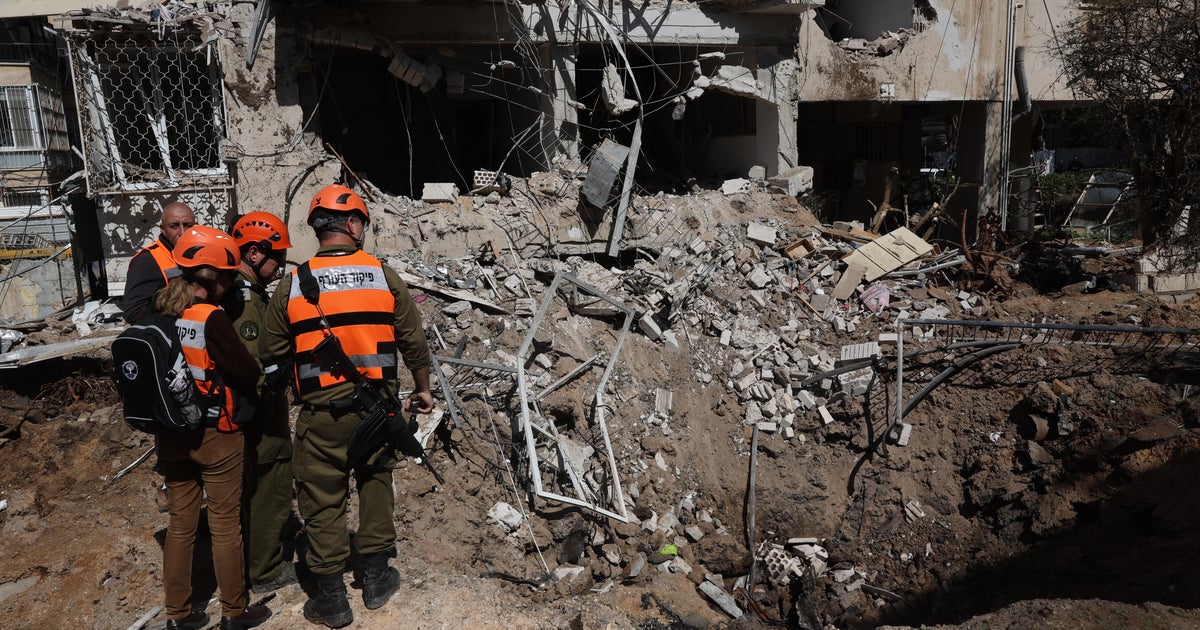
On March 24, 2026, Iran fired a massive missile barrage directly at Israel, intensifying the ongoing regional war. This aggressive military strike followed disputed claims by U.S. President Donald Trump regarding progress on diplomatic peace talks. The starkly conflicting messages between Washington and Tehran have immediately sent shockwaves through global oil and stock markets.

TL;DR
- Iran launched a major missile attack against Israeli territory amidst ongoing conflict.
- Tehran officially denied U.S. claims that peace negotiations were progressing.
- Global oil prices and stock markets reacted with immediate volatility to the sudden escalation.
- The situation highlights the fragile state of Middle East security and its direct economic impact.
What Happened
Tensions escalated rapidly in the Middle East when Iran directed a heavy missile barrage directly at Israel. The military action bluntly contradicted recent optimism broadcasted by the U.S. administration. Specifically, President Trump had publicly mentioned that substantial progress was being made regarding peace talks to halt the ongoing war. However, Tehran quickly and aggressively disputed these claims, firmly denying any active diplomatic negotiations or impending ceasefires. This rapid exchange of hard military force and staunch diplomatic denial created a highly volatile situation on the ground. It acted as an immediate catalyst for intense market reactions worldwide, as traders scrambled to assess the geopolitical risk.

Key Developments
A special report from the Institute for the Study of War, published on March 23, 2026, highlighted the shifting military postures and tactical movements leading up to the missile strike. As the physical war raged on, financial sectors began intensely grappling with the economic fallout of the sudden attack. The starkly contradictory messages emerging from U.S. leadership and Iranian officials have left international observers and market analysts trying to verify the true status of any back-channel communications.
Why This Matters
The direct missile strike fundamentally alters the immediate security landscape in the Middle East, escalating fears of a broader conflict. With global markets receiving mixed signals from prominent political leaders, severe economic uncertainty is rising across multiple sectors. The sharp fluctuation in oil prices is a direct result of widespread market fears surrounding potential supply chain disruptions in the vital oil-producing region. This latest escalation clearly demonstrates that despite mounting international pressure and claims of peace, the conflict remains highly active and deeply unpredictable.
What Happens Next
Defense officials will monitor the region for potential Israeli retaliatory measures following the missile barrage. Financial markets are expected to see continued volatility in the coming days as traders assess the risk of a wider regional war. International diplomatic bodies will likely be forced to address the disputed status of the peace talks and the reality of the ongoing strikes.
Key Terms & Concepts
- Barrage
- A concentrated and continuous discharge of artillery or missiles directed at a specific target or area.
- Market Volatility
- The rate and magnitude of changes in the prices of financial assets, such as stocks or oil, often triggered by geopolitical instability.
Frequently Asked Questions
Why did Iran fire missiles at Israel?
Iran launched the missiles as a continuation of the ongoing war, executing the strike shortly after disputing claims made by the U.S. regarding active peace negotiations.
What did the U.S. say about peace talks?
U.S. President Trump claimed that progress was being made on peace talks to end the conflict, a statement that Tehran quickly and officially denied.
How are global markets reacting to the Iran war?
Both global oil and stock markets are experiencing significant volatility as they grapple with the conflicting messages and the physical escalation of military force.
When did the missile barrage happen?
The missile strikes and the resulting diplomatic fallout were widely reported by major outlets on March 24, 2026.
What is the Institute for the Study of War reporting?
On March 23, 2026, the Institute released a special report detailing the tactical military updates and strategic shifts occurring just before the missile barrage took place.

Resources
Sources and references cited in this article.