Last updated: 6 July 2026
3 ways the Balogun red-card row has put FIFA under pressure
A World Cup knockout match in Seattle has been overshadowed by a phone call from the White House. Folarin Balogun, sent off against Bosnia-Herzegovina, is free to face Belgium after FIFA suspended his automatic one-match ban for a year. Donald Trump has confirmed he asked FIFA president Gianni Infantino to review the case, while UEFA, Belgium and England head coach Thomas Tuchel have challenged the precedent created by the decision.
How Events Unfolded
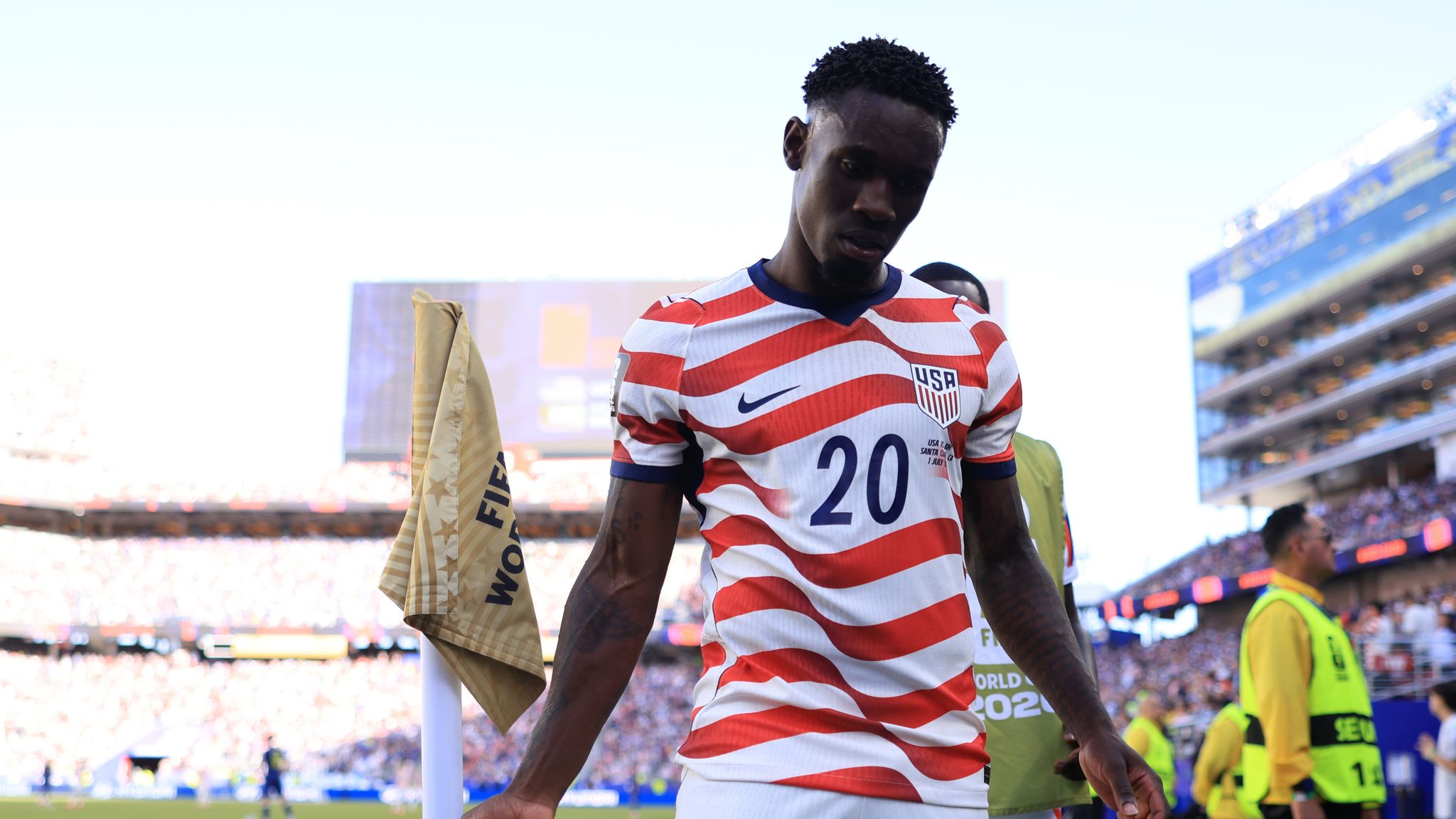
Balogun was shown a straight red card after a challenge on Bosnia-Herzegovina defender Tarik Muharemovic during the United States' 2-0 round-of-32 win. Referee Raphael Claus initially allowed play to continue, then reviewed the incident on the pitchside monitor and dismissed the striker.
Red cards at the tournament carry an automatic one-match suspension. FIFA later used Article 27 of its disciplinary code to suspend Balogun's ban for a probationary period of one year, making him eligible for the last-16 match against Belgium.
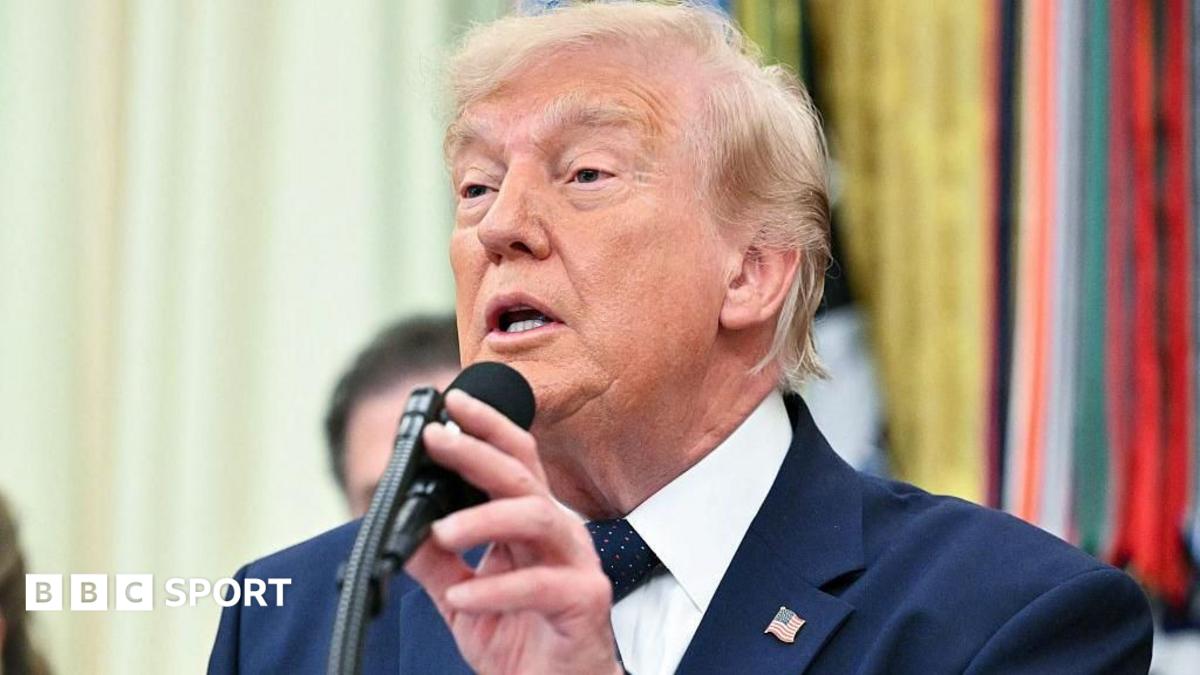
The decision became politically charged after Trump confirmed he had spoken to Infantino. Trump said he asked for a review because he did not believe the incident was a foul, but said he did not tell FIFA to overturn the suspension. Infantino confirmed the call and said he told Trump that an ongoing legal process would be handled by FIFA's independent judicial bodies.
Belgium then challenged Balogun's eligibility. FIFA's appeal committee dismissed the request because the Royal Belgian Football Association was not a party to the original proceedings and therefore had no standing to appeal. The Belgian federation said it still considered further action open.
Critical Details
The central dispute is not simply whether the original red card was correct. It is whether FIFA can suspend an automatic ban during a tournament without creating a standard that other teams will expect to use.
FIFA says Article 27 gave its disciplinary body the authority to pause Balogun's punishment. UEFA rejects that interpretation in this case, arguing that a minimum one-match suspension after a red card is a fixed rule rather than an optional sanction.

The rarity of the outcome has sharpened the criticism. The BBC reported that among 189 other red cards at the World Cup, only once had a player escaped suspension: Brazil's Garrincha in 1962, before automatic bans were in place.
There is also a direct consequence for England. Jarell Quansah was sent off in England's 3-2 win over Mexico and is set to miss the quarter-final against Norway. Tuchel questioned where the new boundary lies, asking whether teams should now challenge yellow cards and red cards whenever they disagree with an official's decision.
Reactions & Responses
UEFA delivered the strongest institutional criticism, saying FIFA had crossed a red line and created a precedent that could force similar cases to receive equal treatment.
Where to draw the line? That's the question I ask and I have no answer to that - where does it end?
The Brazilian Football Confederation also defended referee Raphael Claus after Trump called him “a little bit suspect”. The federation said there was nothing in Claus's record that discredited him or justified suspicion.
Infantino, meanwhile, insisted FIFA's disciplinary bodies operate independently. Belgium's football federation said it had not received the grounds and documents it had requested and warned that it would continue to defend fair competition and football's ethics.
Putting It in Perspective
The immediate sporting effect is clear: Balogun, who has scored three goals at this World Cup according to the BBC and Sky Sports, can be selected against Belgium. That changes a knockout match in which his absence had originally been treated as automatic.
The wider effect reaches beyond the USA and Belgium. France has also reportedly appealed a yellow card shown to Michael Olise, although the Guardian reported that France's action was not inspired by the Balogun case. The sequence shows why governing bodies are now being pressed to explain exactly which punishments can be suspended and under what circumstances.
For a British audience, the issue is no longer distant. England face their own suspension case with Quansah, UEFA has openly challenged FIFA, and Tuchel has questioned how teams can know when a disciplinary decision is final.
Looking Ahead
Balogun is eligible to play Belgium after FIFA rejected the Belgian appeal. The RBFA has said further actions remain open, while The Athletic reported that exhausting FIFA's internal process could allow a challenge to the Court of Arbitration for Sport's World Cup ad hoc division.
What has not been provided is a specific public explanation from FIFA for why Balogun's case justified suspending the automatic ban. Until that reasoning is set out, the dispute will continue to focus on consistency, political influence and whether other teams can expect the same treatment.
FAQ
Why can Folarin Balogun play against Belgium?
FIFA suspended his automatic one-match ban for a probationary period of one year under Article 27 of its disciplinary code.
Did Donald Trump ask FIFA to overturn Balogun's ban?
Trump said he asked FIFA president Gianni Infantino to review the decision but did not tell him to suspend the ban.
Why was Belgium's appeal rejected?
FIFA said the Belgian federation was not a party to the original proceedings and therefore had no standing to appeal.
What did UEFA say about the decision?
UEFA said FIFA had “crossed a red line” and warned that the ruling created a precedent for similar disciplinary cases.
How does the Balogun case affect England?
England defender Jarell Quansah is set to serve a one-match ban after his red card against Mexico, prompting Thomas Tuchel to question how consistently the rules will now be applied.

Resources
Sources and references cited in this article.