Australian Fuel Shortages and Petrol Station Closures: A Trend Summary
Australians are engaging in widespread fuel panic buying across the country as of March 16, 2026, in response to the ongoing conflict in Iran. Major cities including Sydney have seen dozens of petrol stations run dry, prompting the federal government to release emergency stockpiles to stabilize the system. The sudden surge in demand is threatening the national supply chain and impacting the agricultural sector ahead of the winter cropping season.
TL;DR
- Dozens of petrol stations have run out of fuel due to localized panic buying.
- The Australian government released six days of emergency petrol and diesel reserves.
- Farmers warn that diesel shortages could lead to significant food price hikes.
- NSW Premier Chris Minns and industry leaders have met for emergency crisis talks.
What Happened
The current fuel crisis escalated rapidly on March 16, 2026, as motorists across Australia began queuing at service stations, fearing total supply exhaustion due to the war in Iran. While the federal government maintains that there is no physical supply shortage, the sheer volume of consumers attempting to fill their vehicles simultaneously has caused the distribution system to break down. In Sydney and other major hubs, fuel retailers have reported that their tanks were emptied faster than tankers could replenish them.
Fuel panic buying is causing the system to break down. We don't have a supply problem, we have a distribution timing problem caused by behavior.
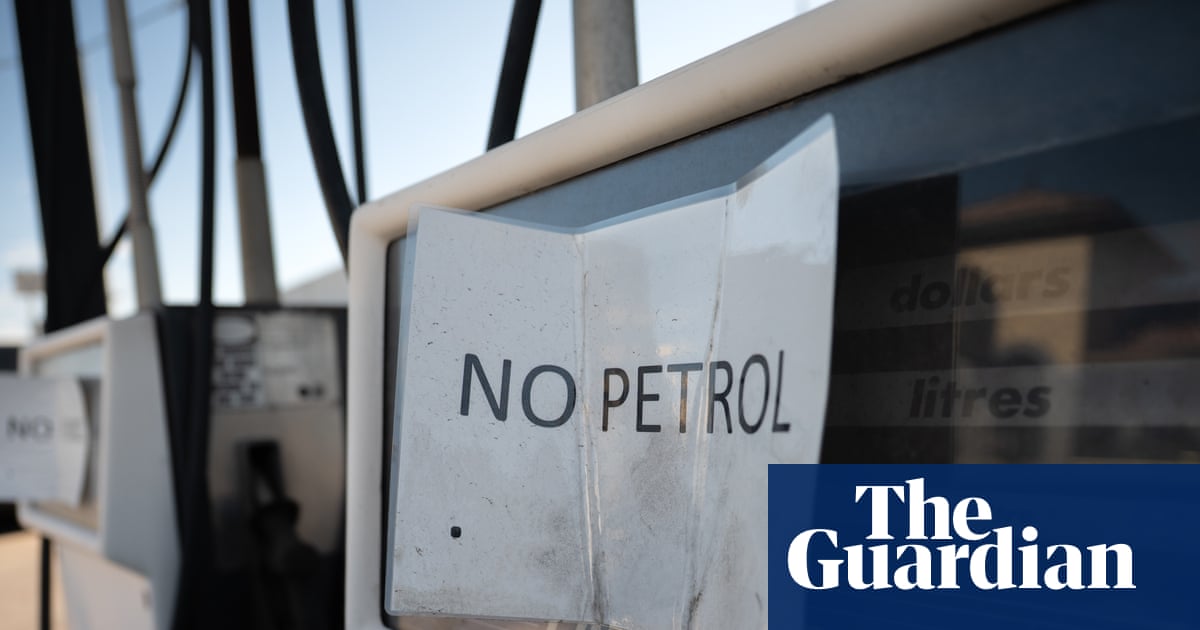
In response to the mounting pressure, the Australian government took the rare step of tapping into its emergency fuel reserves. On March 13, authorities authorized the release of six days' worth of national petrol and diesel stocks to ensure essential services and primary producers remain operational. Despite this, dozens of independent and branded stations remained closed or limited to premium fuel types by early Monday morning.
Key Developments
State and federal leaders have shifted into crisis management mode. NSW Premier Chris Minns held emergency talks with industry leaders to address the logistics of fuel delivery and prevent further outages. Meanwhile, the agricultural sector has sounded the alarm regarding diesel availability. Farmers have warned that winter crops are at immediate risk if diesel supplies are not prioritized for machinery, which could lead to a secondary crisis of inflated food prices for consumers.
The federal government has indicated it is loath to cut the diesel fuel rebate at this time, citing the fragility of the economic situation. Officials are instead focusing on fuel rationing as a potential next step if the current buying patterns do not subside. Currently, some individual stations have already begun self-imposed limits, restricting customers to a maximum dollar amount per fill-up.
Why This Matters
This trend is critical because it highlights Australia's vulnerability to international oil market shocks and the fragility of "just-in-time" delivery systems. The agricultural impact is particularly severe; if the winter cropping season is disrupted by diesel shortages, the long-term effect on food security and the Consumer Price Index (CPI) will be substantial. Furthermore, the release of emergency stockpiles is a measure typically reserved for total supply disruptions, indicating the severity with which the government views the current panic.

What Happens Next
The Australian government will continue to monitor the six-day reserve release to see if it successfully dampens market anxiety. Industry leaders are expected to provide daily updates on station replenishment rates. If the conflict in Iran persists and panic buying does not slow, formal fuel rationing across all states may be implemented as early as next week to protect essential services and the food supply chain.
Key Terms & Concepts
- Emergency Fuel Reserve
- A strategic stockpile of petroleum products held by the government to be used only during significant supply disruptions or national emergencies.
- Diesel Fuel Rebate
- A government tax credit provided to businesses in sectors like agriculture and mining to offset the cost of fuel used in off-road machinery.
- Winter Cropping
- The period when Australian farmers plant crops such as wheat, barley, and canola, requiring significant amounts of diesel for tractors and equipment.
Frequently Asked Questions
Why is there a fuel shortage in Australia right now?
The shortage is primarily caused by panic buying and high demand triggered by the war in Iran. While the physical supply is maintained by emergency releases, the distribution system cannot keep up with the volume of people filling their tanks at once.
How many days of fuel does Australia have in reserve?
The government recently released six days of fuel from the emergency stockpile. Australia typically aims to maintain a 90-day supply of net imports, though actual domestic physical stocks can vary.
Are petrol stations closing down in Sydney?
Yes, dozens of stations in Sydney and other parts of Australia have temporarily closed or run out of specific fuel types like unleaded 91 and diesel as of March 16, 2026.
Will fuel prices go up because of the panic buying?
While panic buying affects availability, the underlying price is driven by international oil markets. However, shortages in the agricultural sector are expected to cause higher food prices in the coming months.
Is the government going to start fuel rationing?
Experts and government officials have warned that fuel rationing is on the horizon if the current buying behavior continues and the international situation does not stabilize.
Resources
Sources and references cited in this article.