St. Patrick’s Day 2026 Public Safety and DUI Enforcement Trend Summary
Law enforcement agencies across multiple regions have launched intensive DUI patrols and safety campaigns to coincide with St. Patrick’s Day celebrations on March 17, 2026. Police departments are deploying additional officers to identify and remove impaired drivers from the roads during a period historically associated with high rates of alcohol-related incidents. These measures aim to reduce preventable traffic fatalities through strict enforcement and public awareness.
TL;DR
- Police departments have significantly increased DUI patrols for the St. Patrick’s Day holiday.
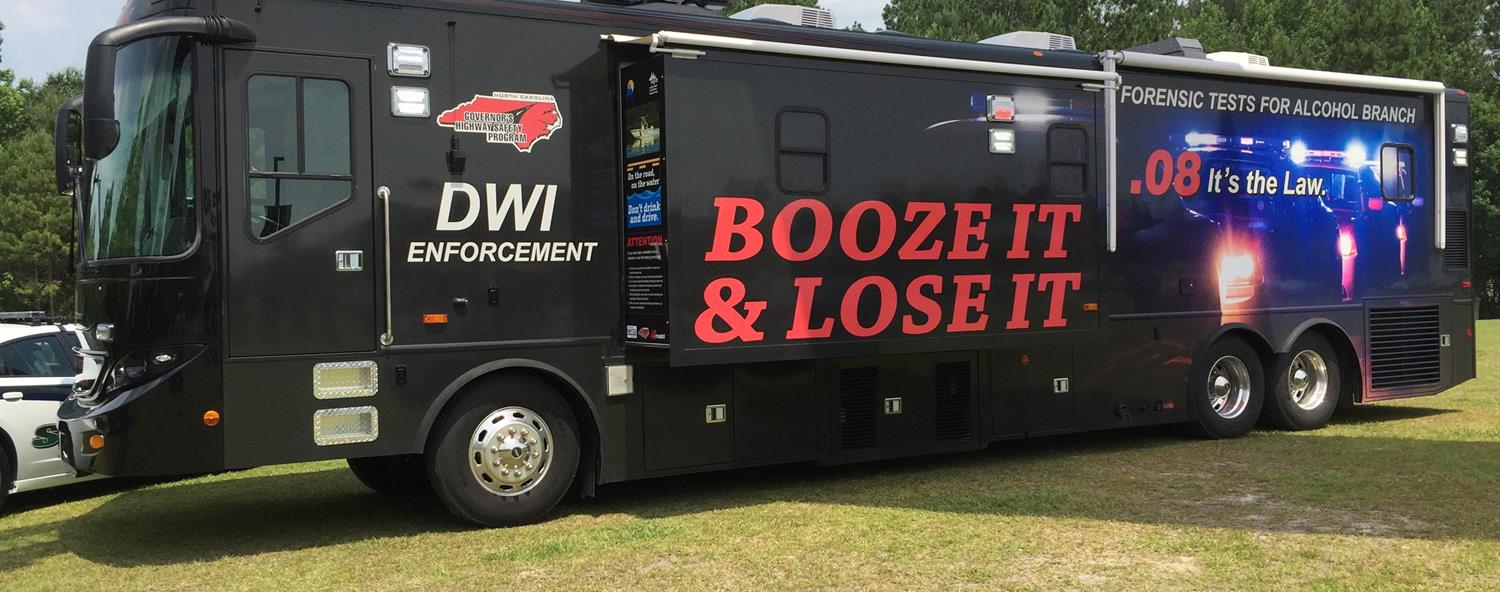
- Law enforcement launched 'Booze It & Lose It' campaigns to deter impaired driving.
- The immediate impact includes increased checkpoints and a 'zero tolerance' policy for intoxicated motorists.
- These measures are critical because alcohol-related traffic accidents are 100% preventable according to safety advocates.
What Happened
In preparation for the 2026 St. Patrick’s Day holiday, law enforcement agencies including the Ohio State Highway Patrol (OSHP), Franklin Police, and the Asheville Police Department (APD) initiated coordinated enforcement efforts. Starting in mid-March, authorities increased the presence of marked and unmarked patrol cars to monitor for signs of impairment. The Asheville Police Department officially launched its 'Booze It & Lose It' campaign, specifically targeting high-traffic areas near bars and celebration hubs.
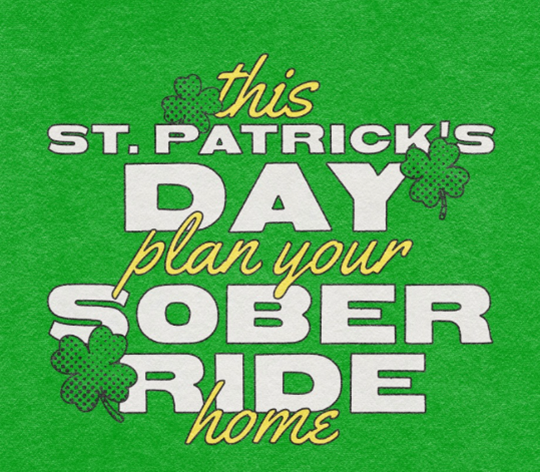
In Southern California and Pittsburgh, patrols were ramped up to cover both city centers and residential corridors. The Monroe County Sheriff’s Office issued a direct call for citizens to utilize ride-sharing services or designated drivers. According to safety data, the window of highest risk typically begins on the evening of March 16 and continues through the early hours of March 18.
Key Developments
Official confirmations from state highway patrols indicate that sobriety checkpoints will be placed at unannounced locations to maximize effectiveness. In Ohio, OSHP urged motorists to understand that impairment is not limited to alcohol but includes marijuana and prescription drugs. The Idaho Transportation Department emphasized the importance of their sober ride planning portal which provides resources for safe transport.
It’s 100% preventable; there is no excuse for getting behind the wheel while impaired when so many alternatives exist today.
Police in Franklin have confirmed they are working with local businesses to ensure patrons have access to transportation information. Statistical data shows that St. Patrick’s Day is one of the deadliest holidays on roads, with a high percentage of crashes involving drivers with a Blood Alcohol Content (BAC) of 0.08% or higher.
Why This Matters
This surge in enforcement is a direct response to historical data showing a spike in alcohol-related fatalities during Irish cultural celebrations. By increasing visibility, police aim to create a deterrent effect that shifts public behavior toward ride-sharing and public transit. The fiscal impact of a DUI arrest can exceed $10,000 in legal fees, fines, and insurance increases, making safe alternatives far more economical for the public.

What Happens Next
Increased patrol activity will remain in effect through the 48-hour period surrounding March 17. Following the holiday, law enforcement agencies are expected to release data regarding the number of arrests made and citations issued. Authorities will continue to promote the 'Booze It & Lose It' messaging during upcoming spring break periods to maintain public safety momentum.
Key Terms & Concepts
- DUI/DWI
- Driving Under the Influence or Driving While Intoxicated; the legal term for operating a vehicle while impaired by alcohol or drugs.
- Sobriety Checkpoint
- A fixed location where law enforcement officers stop vehicles to check the driver's sobriety level.
- BAC
- Blood Alcohol Content; a measure of alcohol concentration in the bloodstream used to determine legal impairment.
Frequently Asked Questions
What is the 'Booze It & Lose It' campaign?
It is a high-visibility enforcement program used by police departments, such as the Asheville Police, to stop impaired driving through checkpoints and increased patrols. The program aims to educate the public that a DUI conviction can lead to the immediate loss of driving privileges.
When do St. Patrick’s Day DUI patrols start?
Most agencies, including those in SoCal and Ohio, began increasing their presence on March 16, 2026. Enhanced enforcement typically lasts through the morning of March 18 to cover all celebration windows.
Why is police visibility so high on St. Patrick’s Day?
Police increase visibility because St. Patrick’s Day is statistically one of the most dangerous days on the road due to drunk driving. Agencies like the OSHP use these patrols to prevent accidents that are considered 100% avoidable.
How can I find a sober ride home?
The Idaho Transportation Department recommends making a plan before drinking by using ride-share apps, taxis, or designated drivers. Many local police departments also provide lists of local transit options on their official websites.
Are checkpoints the only way police catch impaired drivers?
No, in addition to checkpoints, departments like the Franklin Police use 'saturation patrols' where extra officers roam specific areas looking for erratic driving behavior. Officers are trained to spot signs of impairment beyond just alcohol, including drug use.
Resources
Sources and references cited in this article.