Middle East Conflict Escalation and Humanitarian Impact: Trend Summary
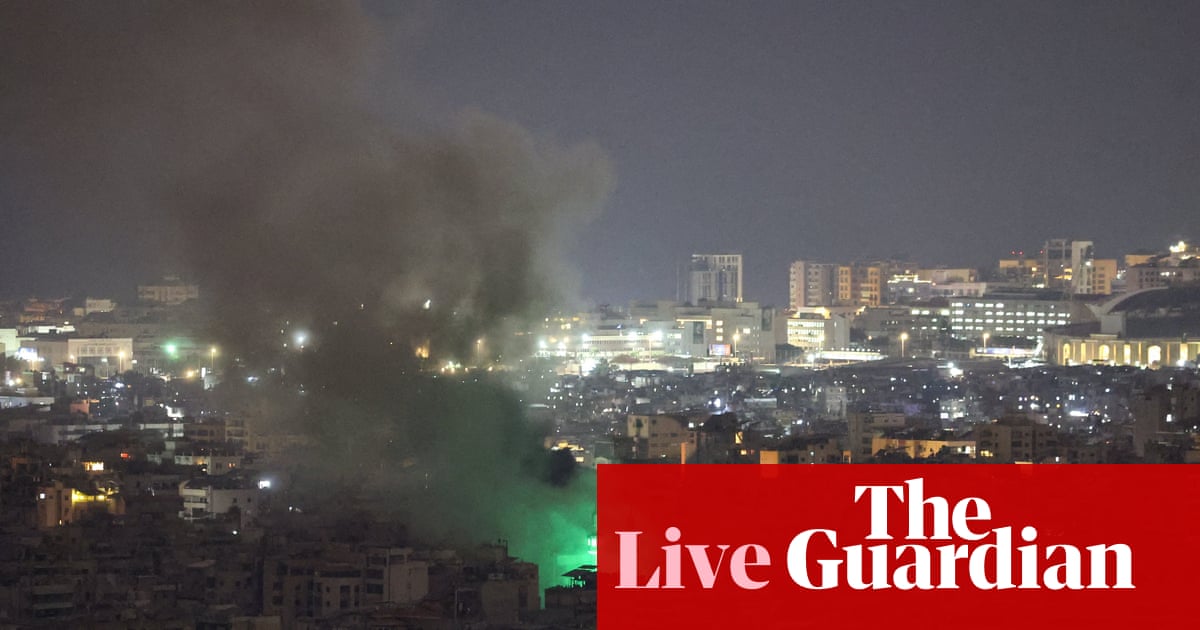
The Middle East crisis reached a critical peak on March 13, 2026, as Israeli air strikes in Lebanon resulted in a significant loss of life among civilians, including more than 100 children. The conflict between regional actors, including Iran-backed groups and Israel, has pushed Lebanon to a socio-economic breaking point. Displaced families are currently seeking refuge in makeshift shelters as international organizations warn of an unfolding humanitarian catastrophe.
TL;DR
- Over 100 children have been confirmed killed by recent strikes in Lebanon.
- The United Nations warns that Lebanon has reached a breaking point due to mass displacement.
- The Lebanese economy is under extreme strain, affecting food security and basic services.
- International aid groups, including the Order of Malta, are scaling up emergency responses.
What Happened
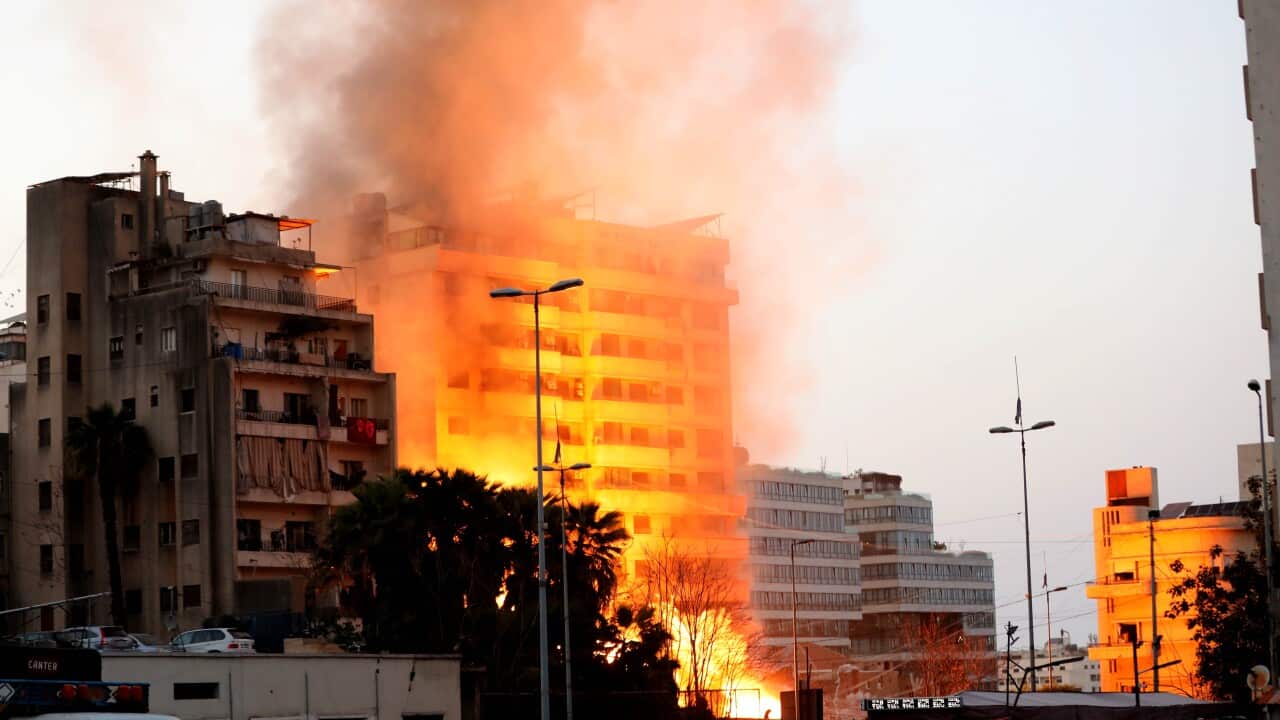
The conflict intensified throughout the second week of March 2026, with the Lebanese health ministry reporting a sharp rise in casualties following a series of Israeli military operations. On March 13, official reports confirmed that the death toll among minors had surpassed 100, highlighting the severe impact on non-combatants. In response to the bombardment, hundreds of thousands of residents have fled their homes in southern and eastern Lebanon, migrating toward Beirut and northern provinces.
Families have been forced to occupy public schools and community centers, which have been converted into emergency shelters. The United Nations issued a formal warning stating that the country is unable to sustain the current rate of internal displacement without immediate large-scale intervention. Meanwhile, vulnerable populations, including Sudanese refugees and African domestic workers, find themselves stranded without resources as the infrastructure collapses.
Key Developments
The Lebanese economy, already fragile, is experiencing a perfect storm of hyperinflation and supply chain disruptions. Markets are reporting a shortage of essential goods, and the cost of fuel has reached record highs, further complicating the delivery of humanitarian aid.
Lebanon is at a breaking point as the displacement crisis grows and the conflict continues to strain every sector of the economy.
The Order of Malta has activated its mobile medical units to provide healthcare to those in remote areas who are unable to reach hospitals. These units are treating chronic illnesses and trauma-related injuries as the formal healthcare system nears total exhaustion. Additionally, World Food Programme reports indicate that nearly 40% of the population is now facing acute food insecurity.
Why This Matters
The escalation of hostilities between Israel and regional groups carries the risk of a broader regional war involving Iran. For Lebanon, the immediate concern is the total collapse of state institutions, which would leave millions without protection or aid. The displacement of over 1 million people within Lebanese borders threatens the stability of the entire Eastern Mediterranean region. Strong financial support from the international community is required immediately to prevent a total famine.

What Happens Next
International mediators are scheduled to meet in Geneva next week to discuss potential ceasefire terms, though no formal pauses in fighting have been agreed upon. The UN Security Council is expected to vote on a resolution regarding humanitarian corridors to ensure the safe passage of food and medicine. In the interim, aid agencies will continue to expand emergency food distribution programs across the most affected governorates.
Key Terms & Concepts
- Displacement Crisis
- A situation where large numbers of people are forced to leave their homes due to conflict, seeking safety in other regions or countries.
- Breaking Point
- The moment at which a system, such as a country's economy or infrastructure, can no longer function under the pressure of external events.
Frequently Asked Questions
What is the current death toll in Lebanon?
As of March 13, 2026, the Lebanese health ministry has confirmed that more than 100 children are among those killed in the recent strikes.
Why is the UN warning that Lebanon is at a breaking point?
The UN issued this warning because the combination of mass displacement and a collapsing economy has left the country unable to provide basic services to its citizens.
How are displaced families finding shelter?
Many families are seeking refuge in public school buildings and community centers that have been converted into emergency housing by local and international organizations.
What is the role of the Order of Malta in this crisis?
The Order of Malta is operating mobile medical units and clinics to provide healthcare to displaced people who cannot access hospitals due to the conflict.
Is there an expected ceasefire in the Middle East?
While mediators are planning to meet in Geneva, no ceasefire has been officially confirmed, and military operations are continuing on multiple fronts.