Australian Fuel Shortage Trend Summary: Emergency Stockpiles Released Amid Panic Buying
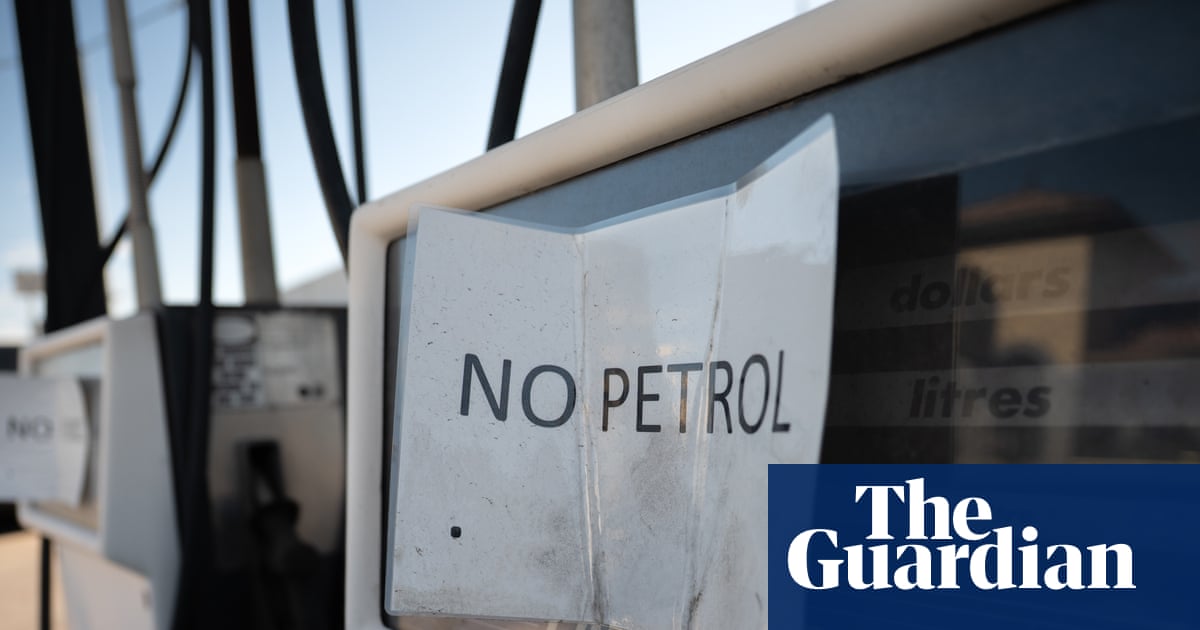
The Australian government has released emergency fuel reserves as dozens of petrol stations nationwide run dry due to intensive panic buying on March 16, 2026. This shortage stems from supply chain disruptions linked to the ongoing conflict in Iran, leading to calls for formal fuel rationing. Experts warn that consumer behavior is currently the primary factor breaking down the domestic distribution system.
TL;DR
- The federal government released six days worth of petrol and diesel from the national emergency stockpile.
- Dozens of service stations across Australia have officially run out of fuel.
- Farmers report that diesel shortages are threatening the planting of winter crops and could spike food prices.
- NSW Premier Chris Minns has doubled the number of inspectors to crack down on illegal price gouging.
What Happened
In mid-March 2026, the Australian fuel market entered a state of crisis as the war in Iran severely restricted global oil flows. On March 13, the government took the rare step of tapping into its emergency fuel reserves to stabilize the market. Despite this, consumers responded with massive panic buying, leading to a breakdown in the replenishment cycle for local service stations. By March 16, dozens of locations in Sydney and across the country reported being completely out of stock.
Fuel panic buying is causing the system to break down. We are seeing a demand spike that the logistical network simply cannot keep up with in real-time.
Key Developments
The crisis has moved beyond petrol for passenger vehicles into critical industry sectors. National farming bodies have warned that a lack of diesel is halting the planting of winter wheat and barley crops. Additionally, Sydney petrol price crisis talks were held today to address the soaring costs at the pump. The NSW government announced it will double the number of compliance inspectors to conduct surprise checks on retailers suspected of hiking prices illegally during the shortage. Currently, the government is resisting calls to cut the diesel fuel rebate, stating that 'now is not a good time' for such policy shifts during a period of high volatility.
Why This Matters
Australia is heavily dependent on imported refined fuels, leaving the nation vulnerable to international conflict. The release of the stockpile is intended to ensure that emergency services and critical transport remain operational. However, if the Iran war continues, the current six-day release may only provide a temporary buffer. The agricultural sector warns that if crops are not planted now, Australians will face significantly higher food prices by the end of 2026. There is also the immediate risk of economic slowdown if the logistics and trucking industries are unable to secure reliable diesel supplies.

What Happens Next
The federal government will continue to monitor the impact of the emergency stockpile release over the coming week. Official fuel rationing remains a possibility if panic buying does not subside or if global supply chains deteriorate further. Retailers will be subject to increased scrutiny from price-watchdog inspectors beginning immediately. The agricultural sector is awaiting a decision on prioritized diesel allocations for the 2026 winter cropping season.
Frequently Asked Questions
Why is there a fuel shortage in Australia right now?
The shortage is caused by supply disruptions due to the war in Iran, combined with a massive surge in domestic panic buying. On March 16, 2026, many stations ran out because demand exceeded delivery capacity.
Did the government release fuel from emergency stockpiles?
Yes, the Australian government released six days worth of petrol and diesel from its national reserve on March 13 to help stabilize the market.
Is fuel rationing starting in Australia?
While formal rationing has not been federally mandated yet, experts warn it is 'on the horizon' if the conflict in the Middle East continues and consumption does not decrease.
Will the fuel shortage make food more expensive?
Yes, farmers have warned that diesel shortages are preventing the planting of winter crops, which will likely lead to higher prices for bread and other staples later this year.
How is the government stopping price gouging?
NSW Premier Chris Minns has announced a doubling of fuel inspectors to perform surprise compliance checks on petrol stations to ensure they are not illegally inflating prices.
Resources
Sources and references cited in this article.