China Refined Fuel Export Ban Impacts Australia: Aviation Sector Trend Summary
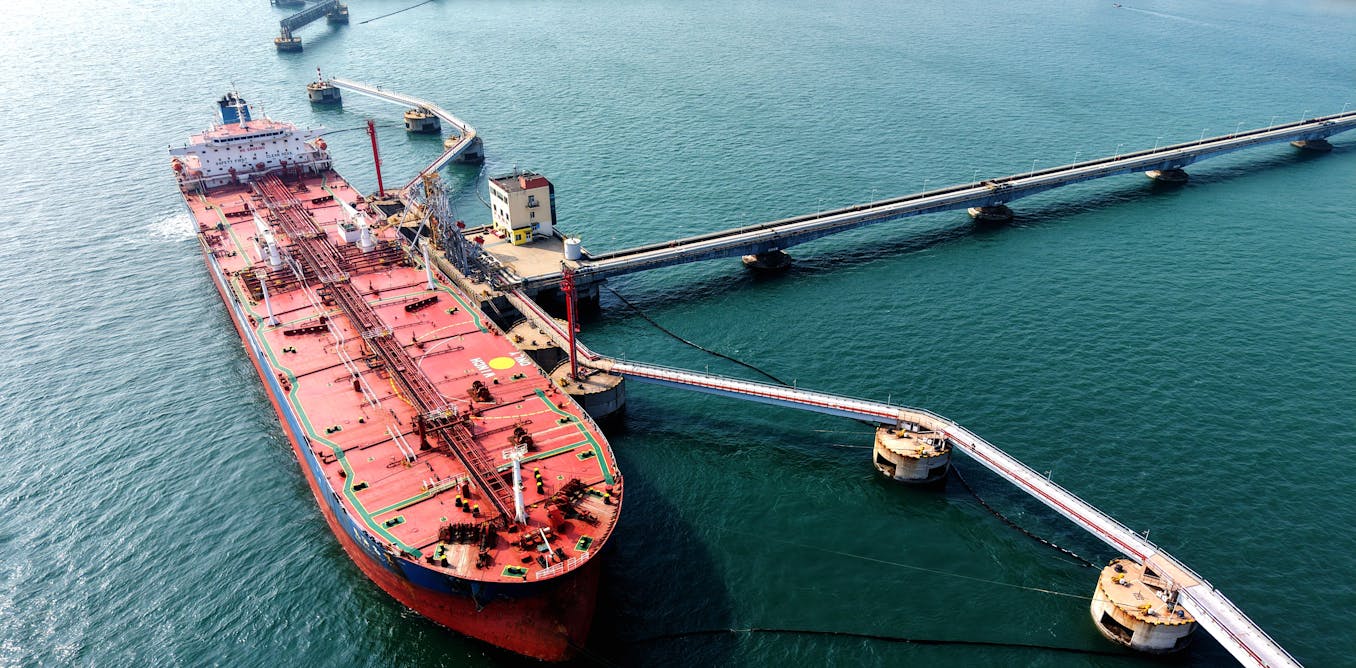
China has implemented an immediate ban on refined fuel exports, including jet fuel, as of March 2026, creating a significant supply risk for the Australian aviation industry. Australia relies on China for approximately 40% of its jet fuel imports, leaving airports and airlines vulnerable to immediate shortages. Federal Energy Minister Chris Bowen has moved to open emergency fuel supplies to mitigate the impact on travelers and essential transport services.
TL;DR
- China has banned all exports of refined oil products, specifically targeting jet fuel and diesel.
- The Australian government has authorized the release of emergency fuel reserves to prevent a total shutdown.
- Flight cancellations and significant increases in airfare prices are expected across domestic and international routes.
- This development highlights Australia's extreme vulnerability due to a lack of domestic refining capacity.
What Happened
On March 13, 2026, the Chinese government ordered its state-owned and private refineries to immediately cancel all planned cargoes of refined fuel destined for international markets. This directive covers jet fuel, diesel, and gasoline, effectively severing the primary supply chain for Australian energy security. Because Australia has closed most of its domestic refineries over the last decade, the nation currently imports over 90% of its fuel, with China serving as the largest single supplier.
The decision by China to halt refinery exports is deeply worrying for Australian air travellers and represents a major blow to our fuel security infrastructure.
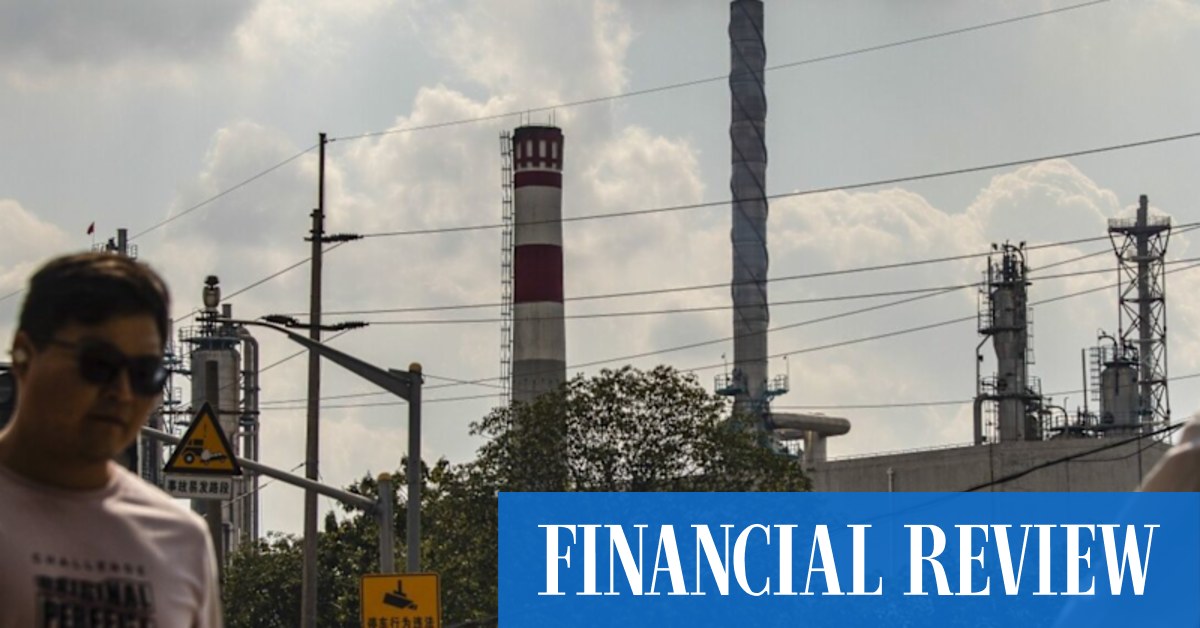
In response to the sudden cessation of imports, Energy Minister Chris Bowen has triggered emergency protocols to access national stockpiles. Sydney Airport and other major hubs have been placed on high alert as current on-site supplies are estimated to last only a few days without replenishment. This move follows months of rising tensions and a global scramble for energy resources.
Key Developments
Airlines including Qantas and Virgin Australia are currently reviewing their flight schedules, with immediate cancellations possible for long-haul flights that require heavy refueling in Australian ports. Sydney Airport’s Chief Executive has warned that the reliance on imported aviation fuel has reached a breaking point, urging a rethink of national sovereign capability. Additionally, fuel stations (servos) across the country are reporting a surge in demand for diesel, fearing that the ban will soon extend the shortage from the tarmac to the road.
Why This Matters
The ban directly threatens the stability of the Australian economy and the mobility of its citizens. Without a steady supply of jet fuel, international trade and tourism—which contribute billions to the GDP—could face a standstill. Furthermore, the refined fuel crunch is expected to drive up the cost of logistics, leading to higher prices for groceries and consumer goods. Strategically, this event exposes Australia's limited 28-day emergency fuel reserve, which falls below the International Energy Agency's recommended 90-day threshold.

What Happens Next
The Australian government is expected to enter urgent negotiations with alternative suppliers in Singapore and South Korea to fill the 40% gap left by China. Travelers are advised to monitor their flight status through official airline portals and check for updates on Department of Infrastructure and Transport announcements. A formal review of the Fuel Security Act is likely to be fast-tracked in Parliament next week to address the long-term lack of domestic refining capacity.
Key Terms & Concepts
- Refined Fuel
- Crude oil that has been processed in a refinery to create usable products like jet fuel, diesel, and petrol.
- Sovereign Capability
- The ability of a country to provide essential services and products for itself without relying on foreign nations.
- Jet A-1
- The specific type of refined kerosene used globally for gas-turbine engine aircraft.
Frequently Asked Questions
Why did China ban fuel exports to Australia?
China has halted exports to prioritize its domestic supply amid a global energy crunch and to exert economic leverage over its trading partners. The ban affects all refined petroleum products exported from Chinese refineries.
Will my flight from Sydney or Melbourne be cancelled?
Cancellations are possible if airports cannot secure fuel from the emergency reserves opened by Chris Bowen on March 13. Passengers should confirm their flights directly with their airlines before heading to the airport.
How much of Australia's fuel comes from China?
Approximately 40% of Australia's aviation fuel is sourced directly from China. This high level of dependency makes the current export ban a critical threat to the country's transport industry.
What is the Australian government doing about the shortage?
Minister Chris Bowen has authorized the release of emergency oil stocks and is seeking new supply agreements with alternative refineries in the Asia-Pacific region to prevent a total fuel depletion.
Will petrol prices go up because of this?
Yes, the reduction in supply for refined products like gasoline and diesel is expected to cause a significant increase in prices at the pump for Australian motorists within the coming days.