Why Investors May Choose to Sell Bitcoin: A Trend Summary of Market Volatility Amid Global Tensions
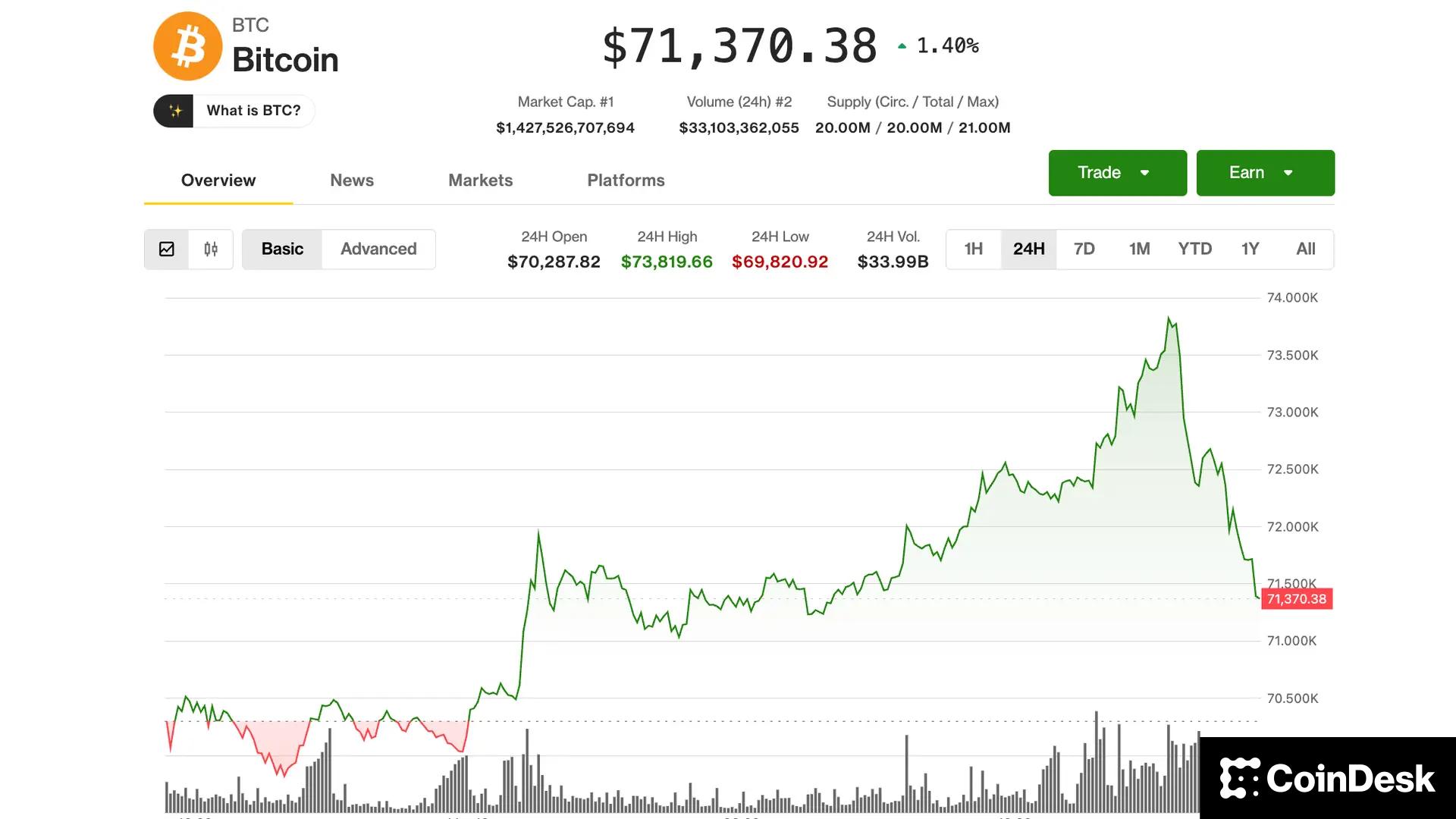
Bitcoin experienced a sharp price correction in Canada and global markets on March 13, 2026, as geopolitical tensions in the Middle East intensified. The digital asset dropped by 3.5% in a matter of minutes following news of fresh escalations involving Iran, reversing an earlier daily rally. This sudden shift has prompted many retail and institutional investors to reconsider their positions and evaluate whether to sell their holdings in favor of traditional safe-haven assets.
TL;DR
- Bitcoin prices dropped by over 3.5% shortly after reports of conflict escalation in the Middle East.
- Investors are rotating capital away from "risk-on" assets like crypto and into "old economy" assets such as gold and oil.
- Market volatility has increased, with Bitcoin struggling to maintain its breakout level near $100,000.
- The immediate impact includes a cooling of the recent crypto rally as traders wait for geopolitical stability.
What Happened
On March 13, 2026, Bitcoin was initially pressing toward major breakout levels before a sudden wave of selling pressure hit the market. The catalyst was a reported escalation in the conflict between Iran and regional adversaries, which triggered an immediate "risk-off" sentiment across financial platforms. As the news broke, Bitcoin quickly gave up its daily gains, falling from its intraday highs to trade lower as liquidated positions began to stack up.
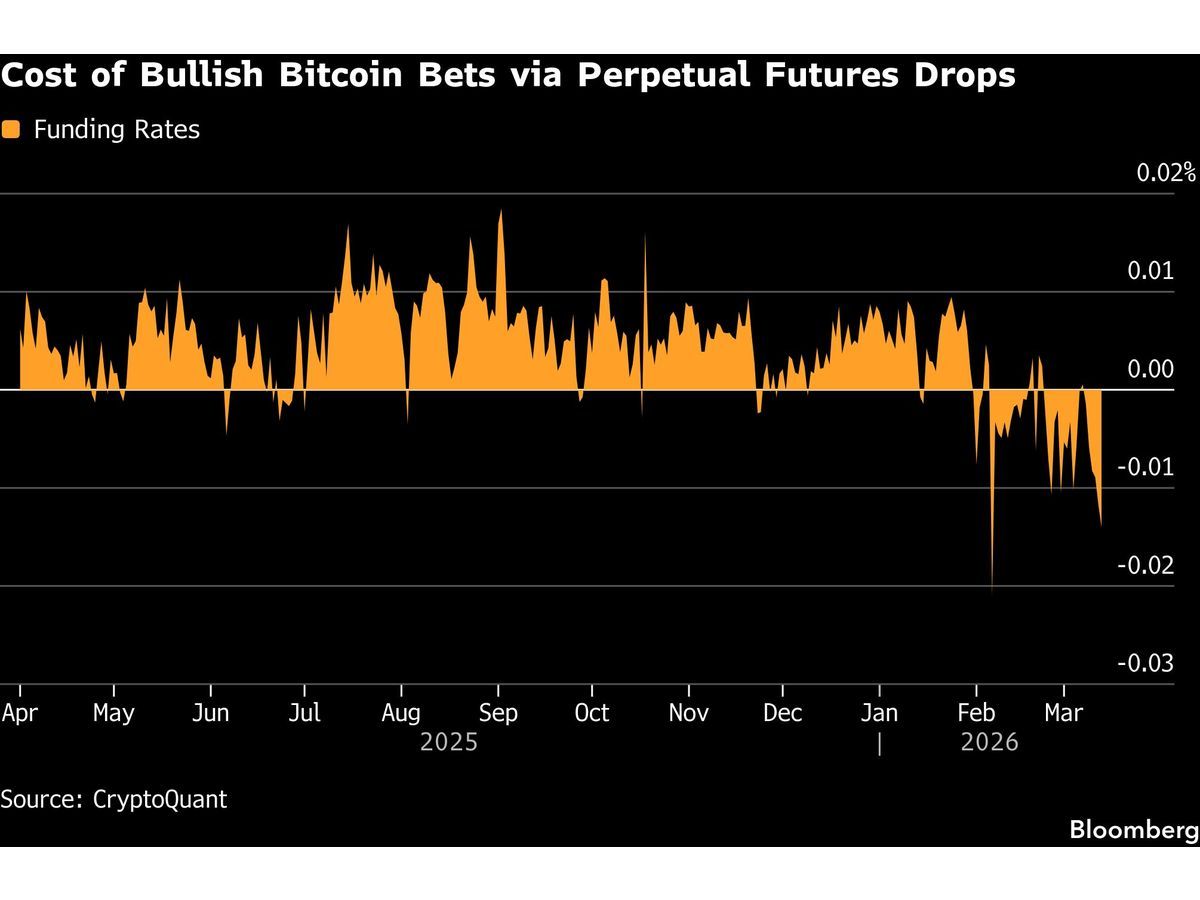
The cost of maintaining bullish bets on Bitcoin, often measured via perpetual futures funding rates, saw a significant drop as the market cooled. In the "Old Economy," assets like crude oil and gold saw price spikes, contrasting sharply with the struggles in the cryptocurrency sector. This divergence highlights a temporary shift where Bitcoin, often touted as "digital gold," failed to act as a primary hedge against immediate military conflict, leading some to evaluate selling or avoiding cryptocurrencies during the peak of the unrest.
Key Developments
While Bitcoin grabbed the headlines, Ethereum and other major altcoins also faced significant downward pressure. Trading data indicates that Ethereum followed Bitcoin's trajectory, losing a similar percentage of its value within the same window. Official market confirmations show that despite the drop, the underlying infrastructure of the crypto market remained stable, though liquidity was tested during the high-speed sell-off.
Bitcoin quickly drops 3.5% as fresh Iran escalation short-circuits crypto rally.
Market analysts noted that Bitcoin is currently pressing a major breakout level at the $100,000 mark, a psychological and technical barrier that has become increasingly difficult to surmount given the current geopolitical backdrop. The next 48 hours are considered critical for determining if Bitcoin can find support at lower levels or if the sell-off will deepen.
Why This Matters
The recent volatility matters because it challenges the narrative of Bitcoin as a geopolitical hedge. When conflict escalates, institutional money often seeks the stability of government bonds or physical commodities. This rotation can lead to prolonged periods of stagnation for cryptocurrencies if the conflict persists. For Canadian investors, the fluctuation in Bitcoin prices directly impacts portfolio valuations and the feasibility of using digital assets for long-term wealth preservation during global instability.

What Happens Next
Market participants are closely watching for any official statements regarding a ceasefire or further military action, as these will be the primary drivers of Bitcoin's price in the short term. Traders should monitor the $95,000 support level; a breach below this could trigger further automated sell orders. Additionally, the upcoming weekly close will be vital for determining whether the "bullish" trend remains intact or if the market has entered a broader corrective phase.
Key Terms & Concepts
- Risk-Off
- An investment setting where price volatility is high and investors sell high-risk assets (like Bitcoin) to buy safer ones (like Gold).
- Perpetual Futures
- A type of derivative contract in crypto that allows traders to speculate on future prices without an expiration date.
- Breakout Level
- A specific price point that an asset has trouble moving above; breaking it usually indicates a strong new trend.
Frequently Asked Questions
Why did the price of Bitcoin drop so suddenly?
Bitcoin fell by 3.5% on March 13, 2026, due to escalating geopolitical tensions between Iran and other regional powers, causing investors to move money into safer assets.
Is it a good time to sell Bitcoin right now?
Whether to sell depends on individual risk tolerance, but market data shows a significant shift toward gold and oil as Bitcoin struggles to maintain the $100,000 level during the conflict.
How does the Iran conflict affect Canadian crypto investors?
The conflict causes global market volatility, which can lead to rapid price swings in CAD-denominated crypto holdings and increased trading costs on Canadian exchanges.
Will Bitcoin recover its losses soon?
Recovery depends on the stabilization of the Middle East situation; Bitcoin is currently testing support levels near $95,000 to $98,000 to determine its next major move.
What are 'Old Economy' assets?
These refer to traditional physical assets like gold, silver, and crude oil, which investors historically buy during times of war or economic uncertainty to protect their wealth.
Resources
Sources and references cited in this article.