Western Canada Weather Trend Summary: Early-Season Heat Dome and Polar Vortex Shift
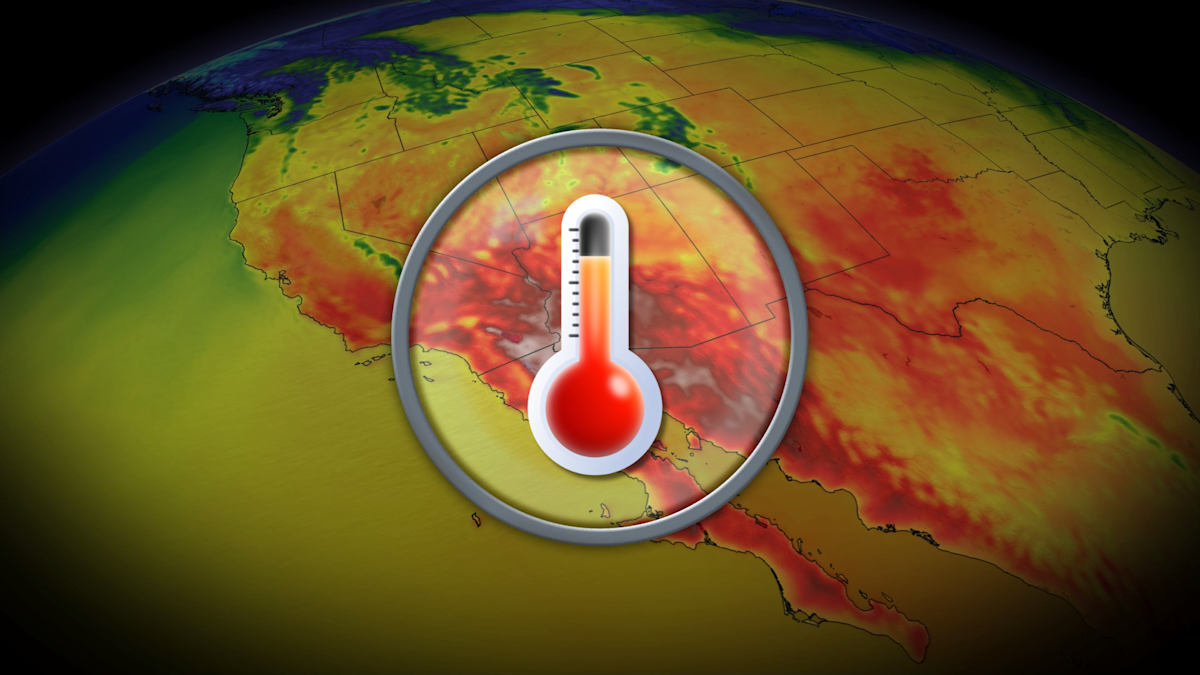
A massive, record-breaking heat dome building over the United States Southwest is set to significantly influence Canadian weather patterns starting the week of March 16, 2026. While the core of the extreme heat remains south of the border, its northern edge will push unseasonably warm air into Western Canada. Simultaneously, a shifting polar vortex is expected to bring a sharp temperature contrast to Eastern provinces.
TL;DR
- A historic early-season heat dome is moving toward the Canadian border.
- Western Canada will experience unseasonably warm temperatures and high-pressure conditions.
- The polar vortex is simultaneously shifting to bring bitter cold to the East.
- This creates a rare scenario of a blizzard, heat dome, and atmospheric river occurring at once across North America.
What Happened
Meteorologists identified a powerful high-pressure system, known as a heat dome, intensifying over the American Southwest during the second week of March 2026. This system is described as "incredible" for so early in the season, trapping warm air and preventing cooler weather from circulating. By March 13, 2026, forecast models confirmed that this system would migrate north, directly impacting the atmospheric flow over British Columbia and the Prairies.
As the heat dome expands, it is forcing the jet stream to buckle. This movement is pulling a polar vortex—a large area of low pressure and cold air—downward into the Eastern United States and Eastern Canada. Consequently, the continent is facing a "weather-gone-nuts" scenario where extreme heat and extreme winter conditions are occurring simultaneously.
Key Developments
The convergence of multiple extreme weather events is unprecedented for this time of year. Forecasters are tracking a blizzard in the central U.S., a polar vortex in the East, and an atmospheric river hitting the West Coast alongside the heat dome. In Western Canada, the primary impact is a significant rise in temperatures that could challenge daily records for mid-March. Official alerts suggest that while the heat is the primary story for the West, the East must brace for bitter cold temperatures that may persist through the following week.
Why This Matters
The arrival of an early-season heat dome has immediate implications for snowpack melt and flood risks in Western Canada. Rapid warming can trigger premature spring runoff, affecting water management and soil moisture levels. For the East, the return of the polar vortex means winter conditions are far from over, impacting energy consumption and agricultural planning. This event is a significant marker of extreme atmospheric volatility, showing how a single high-pressure system in the south can destabilize weather across the entire North American continent.

What Happens Next
Weather authorities will continue to monitor the exact trajectory of the heat dome as it nears the Canadian border. Residents in Western Canada should prepare for a period of anomalous warmth beginning Monday, March 16. Conversely, residents in Ontario, Quebec, and the Atlantic provinces should expect a sharp drop in temperatures as the polar vortex settles over the region. You can track the latest local alerts and see the movement of these systems on the official Weather Network forecast portal.
Key Terms & Concepts
- Heat Dome
- A persistent region of high pressure that traps heat over a specific area, often leading to record-breaking temperatures.
- Polar Vortex
- A large area of low pressure and cold air surrounding the Earth's poles that can expand southward during the winter and spring.
- Atmospheric River
- A narrow corridor of concentrated moisture in the atmosphere that can carry heavy rain or snow.
Frequently Asked Questions
What is causing the heat dome in Canada?
The heat dome is caused by a massive high-pressure system originating in the U.S. Southwest that is expanding northward. This system traps warm air and pushes it toward the Western Canadian provinces in March 2026.
How high will temperatures get during the heat dome?
While specific peaks vary by city, forecasters describe the temperatures as "historic" for the early season. Many regions in Western Canada are expected to see double-digit temperatures well above the seasonal average.
Why is it also getting colder in Eastern Canada?
As the heat dome pushes up in the West, it causes the jet stream to dip in the East. This dip pulls the polar vortex southward, bringing freezing air to provinces like Ontario and Quebec.
Is it true that a blizzard and heat dome are happening at once?
Yes, the current atmospheric setup is so volatile that North America is experiencing a blizzard, polar vortex, and heat dome simultaneously across different regions. This rare convergence was confirmed by meteorological reports on March 13, 2026.
How long will this extreme weather last?
Current forecasts suggest the influence of the heat dome and the polar vortex shift will dominate the weather throughout the week of March 16, 2026. Long-range models are being monitored to determine when the jet stream will stabilize.