Cuba Nationwide Power Grid Failure and Energy Crisis Trend Summary
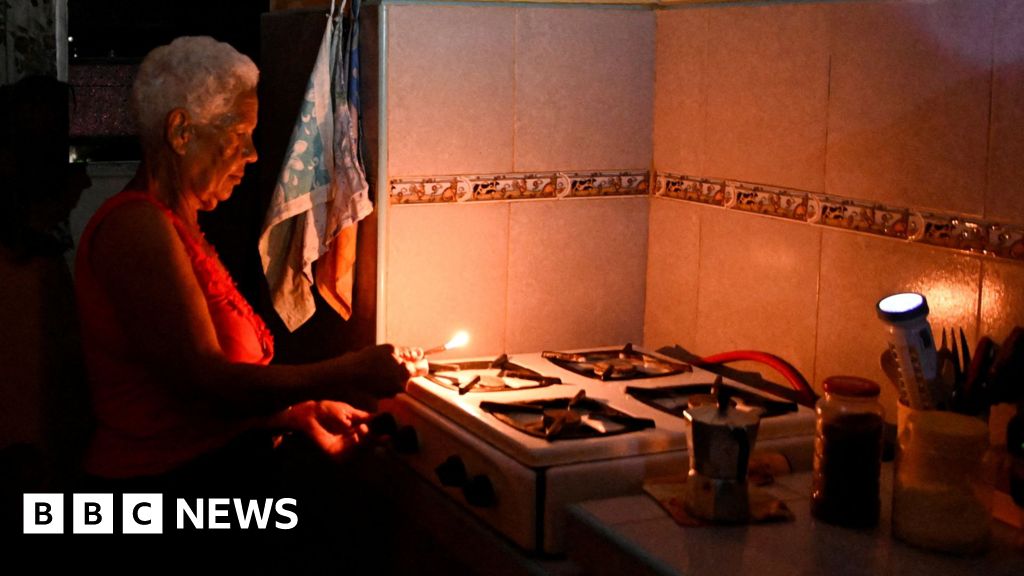
Cuba suffered a total collapse of its national electrical grid on Monday, March 16, 2026, leaving the entire island of approximately 11 million people without electricity. The blackout occurred following the failure of a major power plant, exacerbating an existing energy crisis characterized by severe fuel shortages and aging infrastructure. Officials have described the situation as the result of the 'worst of circumstances' as the government struggles to restore basic services.
TL;DR
- The entire national power grid of Cuba collapsed, causing a country-wide blackout.
- The failure originated at a critical power plant, disconnecting millions from the electrical supply.
- Immediate impacts include the suspension of schools, non-essential government services, and business operations.
- The crisis is attributed to a combination of aging infrastructure, lack of maintenance, and severe fuel shortages.
What Happened
The island-wide blackout began on Monday, March 16, 2026, after the failure of one of the nation's largest power plants triggered a cascading collapse of the entire energy network. This event disconnected approximately 11 million residents from the power supply, plunging cities including Havana into total darkness. The Ministry of Energy and Mines reported that the grid went offline suddenly, making it impossible to maintain the frequency required for electrical distribution.
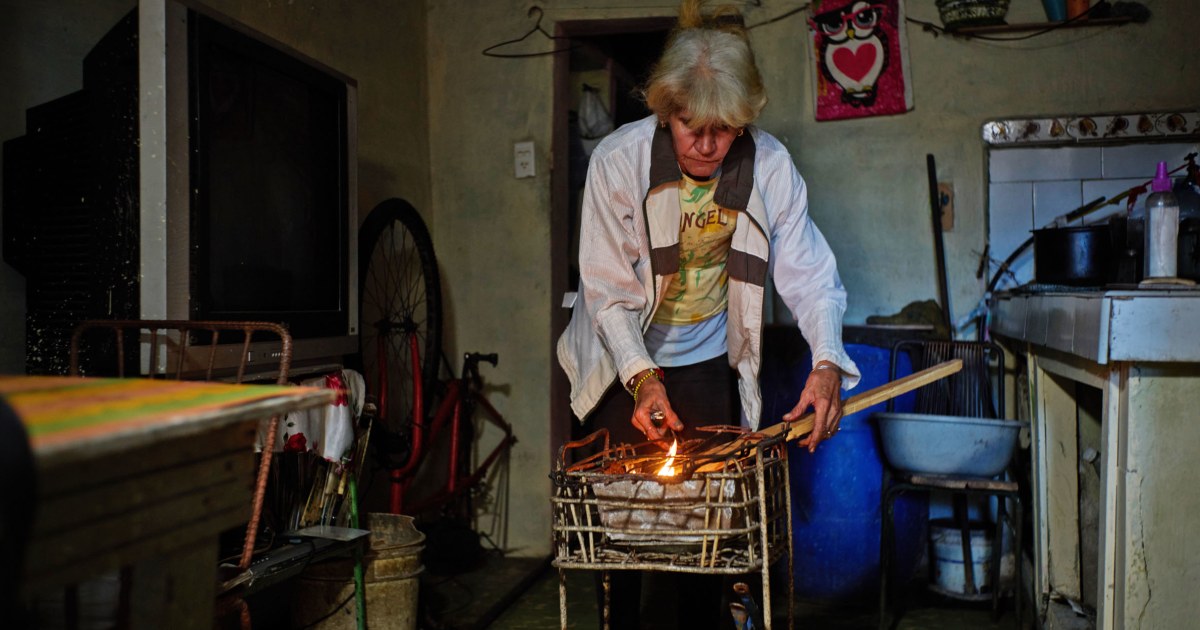
In response to the failure, the Cuban government ordered the closure of all schools and non-essential workplaces until further notice to prioritize energy for hospitals and food preservation. Prime Minister Manuel Marrero Cruz addressed the nation, citing the deteriorating state of the country's thermoelectric plants, many of which are over 40 years old and have gone without proper maintenance for decades.
Key Developments
Government officials have pointed to a tightening 'energy blockade' and a lack of oil shipments from traditional allies as the primary drivers of the fuel deficit. President Miguel Díaz-Canel stated that the administration is working tirelessly to restore power, though progress has been slow due to the fragile state of the recovery process. Initial attempts to restart the grid resulted in partial restorations that quickly failed again due to system instability.
The situation has reached its worst possible state due to the lack of fuel and the technological state of our plants.
Key sectors such as tourism are also affected, with hotels relying on private generators to maintain basic services. Reports indicate that many citizens are facing shortages of food and water, as electric pumps and refrigeration systems are non-functional. For further details on the current status of infrastructure, you can view the official video breakdown of the power system collapse.
Why This Matters
This total blackout represents the most significant energy failure in Cuba since the devastating impact of Hurricane Ian in 2022. It signals a deepening economic crisis where the government lacks the $200 million to $300 million monthly required to purchase sufficient fuel for the nation's energy needs. The collapse threatens social stability, as prolonged outages previously sparked nationwide protests in 2021 and 2024.

The crisis also highlights the dependency on declining oil imports from countries like Venezuela, Mexico, and Russia. Without a stable power supply, the domestic economy cannot function, leading to a further decline in GDP and an increase in the migration of residents seeking better living conditions abroad.
What Happens Next
Engineers are currently attempting to synchronize small 'micro-grids' to provide enough power to restart the larger thermoelectric plants. The government has not provided a definitive timeline for when full service will be restored, though small pockets of Havana have seen intermittent power return. Schools and non-essential public services are expected to remain closed through the end of the week. Monitoring of the National Electric System (SEN) continues as officials seek emergency fuel shipments from international partners.
Key Terms & Concepts
- Thermoelectric Plant
- A power station in which heat energy is converted to electric power, typically by burning fossil fuels like oil or coal to create steam.
- National Electric System (SEN)
- The integrated network of power plants and transmission lines that distributes electricity across the entire country of Cuba.
- Energy Blockade
- A term used by the Cuban government to describe the impact of international sanctions that restrict the country's ability to import oil and spare parts for its power grid.
Frequently Asked Questions
What caused the total blackout in Cuba?
The blackout was caused by the failure of the Antonio Guiteras power plant on March 16, 2026, which led to the total collapse of the national grid. This was compounded by critical fuel shortages and lack of maintenance on 40-year-old infrastructure.
How many people are currently without power?
Approximately 11 million people, the entire population of the island, were left without electricity following the grid collapse. Only those with private generators or access to specific micro-grids have limited service.
Is the Cuban government providing food or water?
The government has prioritized fuel for essential services like hospitals and is attempting to keep food processing centers operational. However, many residents are reporting severe shortages of water due to the failure of electric pumps.
When will electricity be restored in Cuba?
There is no confirmed date for full restoration as of March 17, 2026. Authorities are working to restart individual plants, but the grid remains highly unstable and prone to further failures.
Are schools and businesses open in Cuba?
No, all schools and non-essential government offices have been closed across Cuba to conserve what little energy is available. Only essential workers in healthcare and food production are currently required to report for duty.
Resources
Sources and references cited in this article.