Global Energy Markets and Security Update: Iran-Israel War Trend Summary
Israel and the United States launched wide-scale aerial strikes against Iranian targets on March 15, 2026, marking a significant escalation in the ongoing conflict. The coordinated military action targeted strategic infrastructure across Iran, responding to sustained regional tensions and threats to maritime security. This development has triggered immediate volatility in global energy sectors and prompted urgent international diplomatic maneuvers.
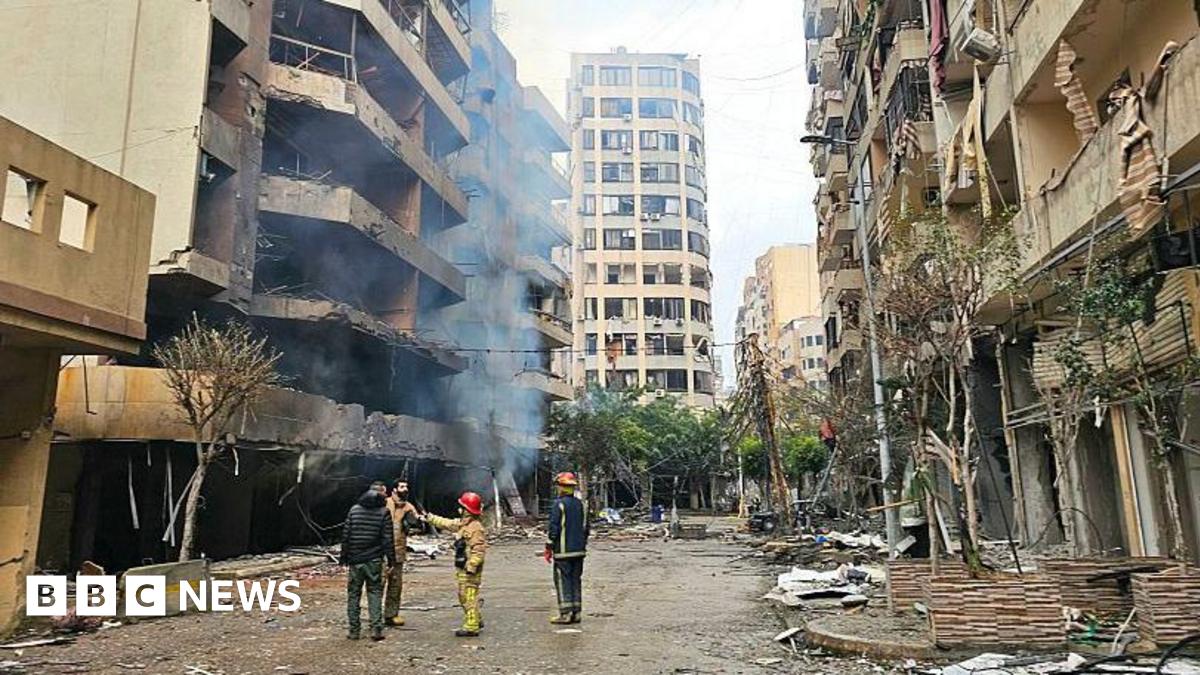
TL;DR
- Israel and the U.S. conducted extensive joint air strikes on Iranian military and infrastructure sites.
- Global oil prices surged to $100 per barrel during the second week of active hostilities.
- The Strait of Hormuz remains a focal point of tension following drone and missile attacks on commercial vessels.
- President Donald Trump stated the U.S. is not yet ready to finalize a deal to end the war.
What Happened
On the 16th day of the conflict, Israeli forces initiated what was described as "wide-scale" strikes across Iran. The operation was supported by U.S. military assets, which conducted intense strikes aimed at degrading Iranian air capabilities and command centers. The military action followed a series of maritime incidents, including an attack on a UAE oil terminal and a drone strike involving the Indian vessel 'Jag Laadki', which was loaded with crude oil and delayed by 24 hours before sailing.
The United States is not ready to make a deal to end the war at this time.

Key Developments
The conflict has expanded significantly into the maritime domain, specifically targeting energy transit routes. Reports confirmed explosions and drone activities near Kharg Island and other Gulf locations, impacting international shipping. In response to the heightening risk, several airlines have suspended or rerouted flights through Dubai and other regional hubs. Furthermore, the Iranian air campaign has contributed to a sharp rise in energy costs, with crude oil benchmarks hitting the $100 mark for the first time since the war began.
Why This Matters
The escalation poses a direct threat to the Strait of Hormuz, a waterway through which approximately 20% of the world's total oil consumption passes. Security in this corridor is critical for global economic stability. The current strikes and the lack of a diplomatic breakthrough suggest a prolonged period of high energy prices and potential supply chain disruptions. The involvement of the U.S. and Israel in joint kinetic operations shifts the regional power dynamic and forces neighboring Gulf countries to reconsider their security postures.

What Happens Next
President Trump has urged the international community to assist in the protection of the Strait of Hormuz to ensure the free flow of commerce. Military analysts expect continued surveillance and potential follow-up strikes if Iranian retaliatory measures persist. Diplomatic efforts through the UAE and other mediators remain stalled, as official statements indicate that conditions for a ceasefire have not yet been met by either side.
Key Terms & Concepts
- Strait of Hormuz
- A strategic narrow waterway between the Gulf of Oman and the Persian Gulf, essential for global oil transport.
- Crude Oil Benchmarks
- Standardized prices for oil that serve as a reference for buyers and sellers, such as Brent or WTI.
Frequently Asked Questions
What is the current status of the Iran-Israel war?
The conflict has entered its 16th day with Israel and the U.S. launching extensive air strikes on March 15, 2026. Military operations are currently active across multiple Iranian strategic sites.
How has the war affected oil prices?
Oil prices have risen to $100 per barrel as of the second week of March 2026. This surge is driven by fears of supply disruptions in the Persian Gulf and the Strait of Hormuz.
Is the United States involved in the fighting?
Yes, the U.S. military participated in joint aerial strikes with Israel on March 15, 2026. President Trump has confirmed that the U.S. is not currently ready to negotiate a peace deal.
Why is the Strait of Hormuz important in this conflict?
The Strait of Hormuz is a vital shipping lane for global energy. Recent drone and missile attacks in this area have threatened the transit of oil vessels like the 'Jag Laadki'.
What is the next step for international diplomacy?
While the U.S. has called for a global effort to protect maritime shipping, no official peace talks are scheduled. Military tension remains high following the March 15 escalation.