North Korea Fires Multiple Ballistic Missiles Amid Joint Military Drills: A Comprehensive Trend Summary
North Korea launched approximately 10 short-range ballistic missiles into the waters off its eastern coast on Saturday, March 14, 2026. The barrage coincided with ongoing large-scale joint military exercises between the United States and South Korea. This marks the third major weapons demonstration by Pyongyang in the month of March alone.
TL;DR
- North Korea fired around 10 ballistic missiles toward the East Sea.
- The launches occurred during the Freedom Shield joint US-South Korea military drills.
- The South Korean military has increased surveillance and is sharing data with US and Japanese counterparts.
- The event signals an escalation in regional tensions following North Korea’s recent unveiling of a new destroyer.
What Happened
The South Korean Joint Chiefs of Staff (JCS) detected the launches originating from the Sunan area near Pyongyang starting at approximately 6:00 AM local time. The missiles traveled roughly 300 kilometers (186 miles) before splashing down in the waters between the Korean Peninsula and Japan. This coordinated strike involved a simultaneous volley, which military analysts suggest is designed to demonstrate the ability to saturate enemy missile defense systems.
Japan’s Ministry of Defense confirmed that the projectiles fell outside of Japan’s Exclusive Economic Zone (EEZ). There were no immediate reports of damage to aircraft or maritime vessels in the area. The South Korean military stated it is maintaining a "full readiness posture" while analyzing the specific flight characteristics of the projectiles.
Key Developments
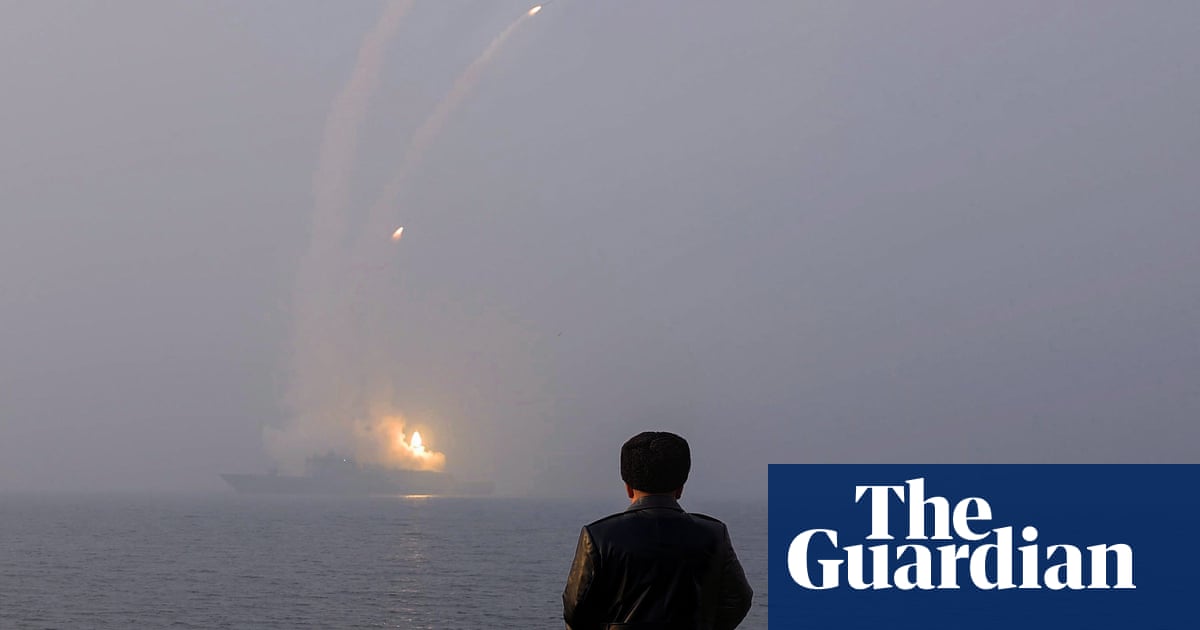
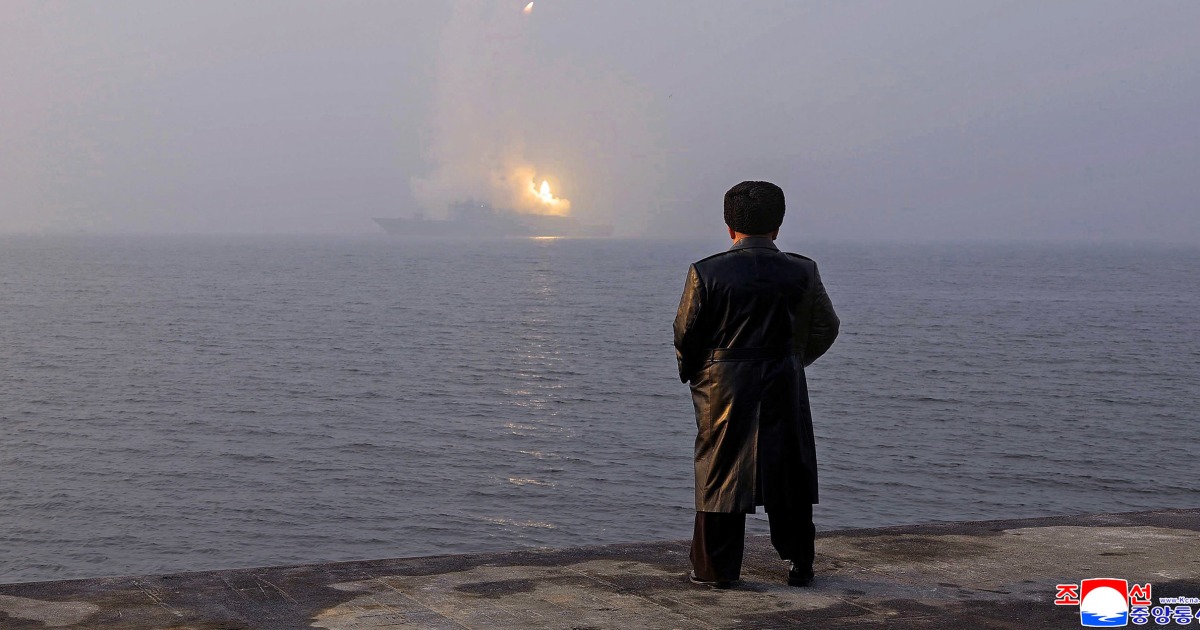
Prior to this missile barrage, North Korean leader Kim Jong Un conducted a high-profile inspection of a newly developed destroyer, the Choe Hyon. During this visit, he claimed significant progress toward establishing a "nuclear-armed navy." The destroyer recently set sail for the first time to test its onboard missile systems, including naval-based cruise missiles.
The core task is to arm the navy with nuclear weapons and expand the underwater and surface strike capabilities to the maximum.
This naval advancement follows a pattern of heightened activity this month, including the testing of a new tactical ballistic missile and a hypersonic glide vehicle earlier in March. South Korean intelligence suggests these tests are a direct response to the Freedom Shield 26 exercises, which involve live-fire drills and strategic asset deployments by the US and its regional allies.
Why This Matters
The scale of the launch—firing 10 missiles simultaneously—represents a shift from single-shot testing to operational combat rehearsals. This activity directly impacts the security stability of the Indo-Pacific region and complicates diplomatic efforts for denuclearization. The use of the Sunan international airport area as a launch site also demonstrates the North's ability to utilize civilian infrastructure for rapid military mobilization.
What Happens Next
The US-South Korea Freedom Shield exercises are scheduled to continue through next week, suggesting the potential for further retaliatory tests from Pyongyang. The United Nations Security Council is expected to receive a formal report on the incident to determine if these launches violate existing sanctions regarding ballistic missile technology. Trilateral cooperation between Seoul, Washington, and Tokyo regarding real-time missile data sharing will remain active throughout the weekend.
Key Terms & Concepts
- Ballistic Missile
- A rocket-propelled self-guided strategic-weapon system that follows a ballistic trajectory to deliver a warhead to a predetermined target.
- EEZ (Exclusive Economic Zone)
- An area of the sea in which a sovereign state has special rights regarding the exploration and use of marine resources.
- Freedom Shield
- The annual large-scale joint military exercise conducted by the United States and South Korea to enhance their combined defense posture.
Frequently Asked Questions
What kind of missiles did North Korea fire?
North Korea launched approximately 10 short-range ballistic missiles (SRBMs) from the Sunan area on March 14, 2026.
Why is North Korea conducting these tests now?
The tests are a response to the ongoing "Freedom Shield" joint military exercises being held by the United States and South Korea this month.
Did the missiles hit any territory?
No, the missiles traveled about 300 kilometers and landed in the East Sea (Sea of Japan), outside of Japan's Exclusive Economic Zone.
What is the new warship North Korea unveiled?
Leader Kim Jong Un recently inspected the Choe Hyon, a new destroyer designed to carry nuclear-capable missile systems.
Is there a threat to international flights?
While the missiles fell into the sea, the South Korean and Japanese militaries monitor these launches closely to ensure the safety of civilian aviation and maritime traffic.