Strait of Hormuz Security Crisis: Trend Summary of US Ally Rejections
U.S. President Donald Trump is facing significant resistance from key international partners after demanding military support to secure the Strait of Hormuz. Several NATO allies and European leaders have declined requests to send warships to the region despite rising tensions with Iran. This diplomatic standoff follows a direct call for a multinational maritime escort to protect global oil shipments.

TL;DR
- Allies reject U.S. demand to send warships to the Strait of Hormuz.
- President Trump issues warnings of a "very bad future" for non-compliant NATO members.
- Iran denies reports of direct contact or negotiations with the U.S. government.
- The refusal complicates efforts to secure a global energy corridor amid Middle East conflict.
What Happened
On March 16, 2026, President Trump publicly vented his frustration with international allies who have shunned his call for a coordinated warship escort in the Strait of Hormuz. The U.S. administration demanded that approximately 7 countries contribute naval assets to keep the shipping lanes open. This demand was met with immediate hesitation and outright rejection from several European capitals. Meanwhile, Iran issued a formal denial regarding any recent direct communication with U.S. officials, contradicting reports of secret diplomatic channels.
Key Developments
European leaders have stated they will not commit to military involvement in the Strait of Hormuz to avoid escalating the existing war on Iran. The U.S. remains the primary force proposing the escort mission, while partners cite concerns over the lack of a clear exit strategy. NATO members have been specifically targeted by the administration with warnings that failure to assist could impact future security guarantees. Despite the pressure, there has been no official change in the naval posture of the wary allies.
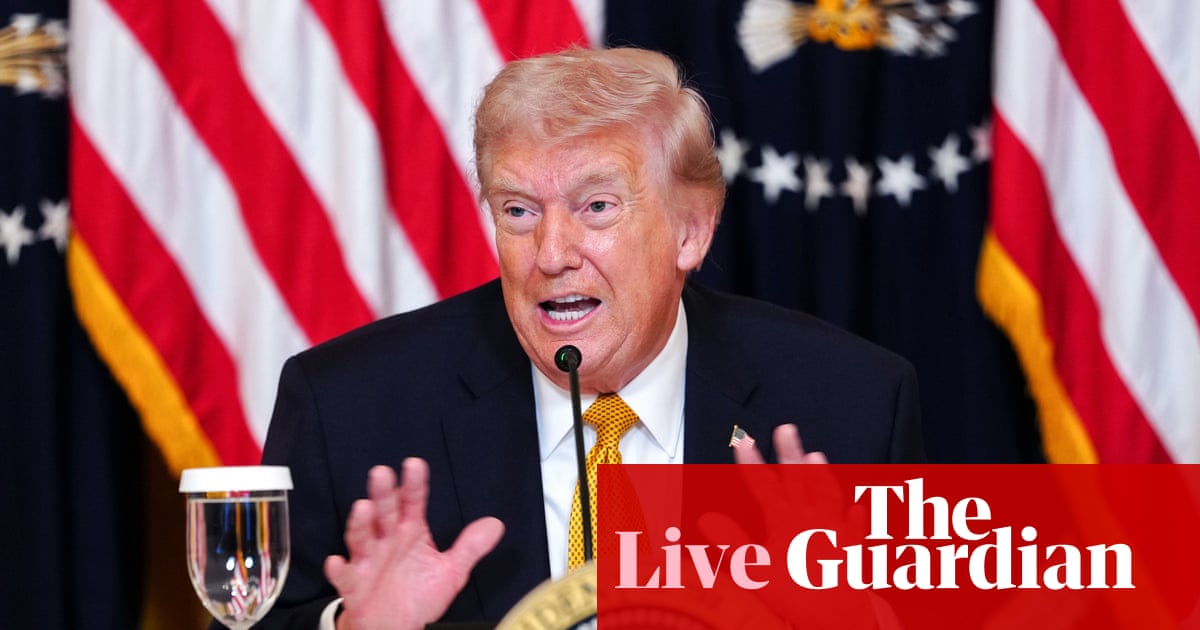
Trump warns NATO to help secure Strait of Hormuz or face a ‘very bad future’.
Why This Matters
The Strait of Hormuz is the world's most important oil transit point; any disruption here directly affects global fuel prices and economic stability. The refusal of allies to participate marks a significant rift in NATO and transatlantic relations, highlighting a lack of consensus on Middle East policy. Without a unified maritime coalition, the risk of miscalculation or military confrontation in the Persian Gulf increases, potentially dragging the U.S. into a deeper conflict without international support.
What Happens Next
The U.S. is expected to continue pressuring individual nations for bilateral maritime agreements. There are no scheduled negotiations between the U.S. and Iran at this time. Observers are monitoring whether the White House will implement the "bad future" threats against NATO members, which could include the withdrawal of regional security assets or trade repercussions.
Key Terms & Concepts
- Strait of Hormuz
- A narrow waterway between the Persian Gulf and the Gulf of Oman, through which about 20% of the world's oil consumption passes.
- Maritime Escorts
- The use of warships to protect commercial vessels from potential threats or seizures in contested waters.
- NATO
- The North Atlantic Treaty Organization, an intergovernmental military alliance between 32 member states.
Frequently Asked Questions
What is happening in the Strait of Hormuz?
The U.S. is attempting to build a multinational naval coalition to protect oil tankers from Iranian threats, but several key allies have refused to join the mission as of March 16, 2026.
Why are U.S. allies refusing to send warships?
European leaders and NATO partners are concerned that military involvement will escalate the current conflict with Iran and believe the U.S. approach lacks a diplomatic solution.
Did Iran and the U.S. have direct contact?
No, Iran has officially denied reports of direct contact with the U.S., maintaining that no negotiations are currently taking place regarding the Hormuz situation.
What was Trump's warning to NATO?
President Trump stated that NATO countries must help secure the strait or they would face a "very bad future," implying potential shifts in U.S. military support for the alliance.
How many countries did the U.S. ask for help?
The U.S. administration specifically demanded that 7 countries send warships to the region to ensure shipping lanes remain open during the crisis.
Resources
Sources and references cited in this article.