Honda Cancels 0 Series EV Projects in Major Strategy Shift: Trend Summary
Honda Motor Co. announced a significant reversal of its electrification strategy in March 2026, cancelling its flagship 0 Series electric vehicle projects and several current models. The Japanese automaker cited a sharp decline in global EV demand and an inability to compete on cost as primary drivers for the pullback. This decision marks a historic pivot for the brand as it moves away from its previous commitment to a fully electric future by 2040.
TL;DR
- Honda has cancelled the development of the 0 Series Saloon and SUV, along with the GM-built Prologue.
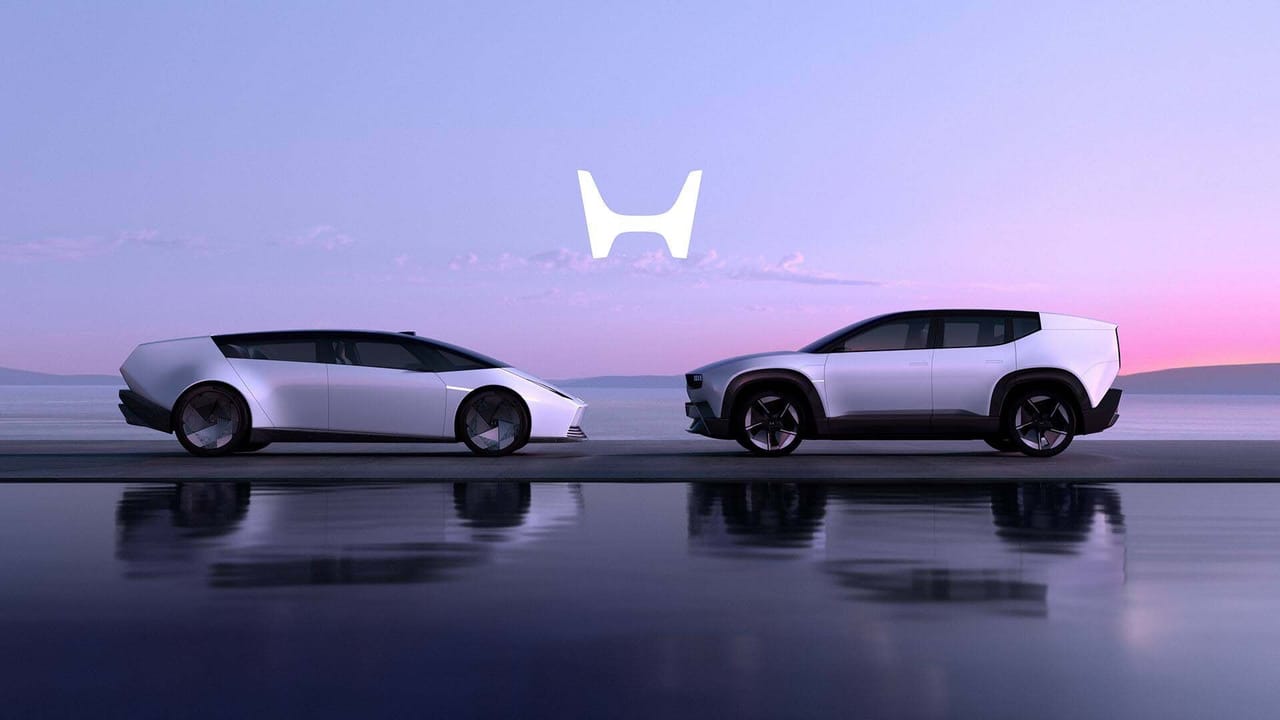
- The company recorded its first financial loss in decades due to a $3.4 billion (500 billion yen) impairment charge. Slowing global demand and high production costs compared to competitors forced the strategic retreat. The move signals a shift back toward hybrid technology and a reassessment of the path to carbon neutrality. What Happened In mid-March 2026, Honda leadership confirmed the immediate termination of the '0 Series' EV project, which was intended to launch a new generation of radical, thin-battery electric cars. This cancellation includes the wedge-shaped Saloon and its SUV sibling, which were previously showcased as the future of the brand. Additionally, Honda is ending production of the Prologue SUV, a vehicle currently built in partnership with General Motors. The decision follows a reassessment of the global market where EV sales have failed to meet internal projections, particularly in the United Kingdom and North America. Honda cited 'significantly declining' interest in EVs as the reason for ending the 0 Series project. The business environment for EVs has changed more rapidly than anticipated, and we have reached the conclusion that we are unable to compete effectively under the current cost structure. — Official Statement, Honda Global Key Developments The financial impact of this U-turn is substantial, with Honda reporting an impairment loss of approximately 500 billion yen ($3.4 billion). This marks the first time the company has recorded a loss since the 2008 financial crisis. Honda confirmed it will also scale back its joint venture initiatives and redirect engineering resources. For owners and prospective buyers, the Official Financial Revision and Future Direction portal provides the technical breakdown of the electrification reassessment. Despite the cuts, Honda maintains that it still aims for carbon neutrality by 2050, though the roadmap will now rely more heavily on hybrid internal combustion engines (ICE).
Why This Matters
This decision is a major blow to the automotive industry's push for total electrification. By axing the 0 Series, Honda is effectively admitting that it cannot match the price points and manufacturing efficiencies of Chinese competitors like BYD or established EV leaders like Tesla. The withdrawal from the GM partnership for the Prologue also suggests a fragmenting of cross-brand EV collaborations. This shift impacts the brand's standing in the UK ZEV (Zero Emission Vehicle) mandate, as manufacturers face strict targets for electric car sales that Honda may now struggle to meet without a diverse EV lineup.

What Happens Next
Honda will pivot its focus toward 'e:HEV' hybrid technology, which has seen resilient sales in Europe and Asia. The company will likely wind down existing EV inventory throughout the remainder of 2026. Analysts expect a restructuring of Honda’s global workforce as engineering roles transition from high-voltage battery systems back to advanced combustion and hybrid powertrains. No new battery-electric vehicle (BEV) platforms are expected from Honda until at least the end of the decade.
Key Terms & Concepts
- Impairment Charge
- An accounting entry that records a permanent reduction in the value of an asset, in this case, the R&D and equipment for the cancelled EV projects.
- 0 Series
- A proposed line of Honda electric vehicles designed with a 'thin, light, and wise' philosophy intended to maximize interior space and efficiency.
- ZEV Mandate
- A government policy requiring car manufacturers to sell a specific percentage of zero-emission vehicles each year.
Frequently Asked Questions
Is Honda stopping all electric car sales?
No, but it is cancelling its major future projects and the Prologue model. Honda will focus more on its hybrid 'e:HEV' lineup for the immediate future.
Why did Honda cancel the 0 Series?
Honda cited a $3.4 billion loss and a significant decline in consumer demand for EVs. The company stated it could not compete with the low production costs of rival brands.
Will current Honda EV owners still get support?
Yes, Honda will continue to provide parts and service for existing models like the Prologue and Honda e. However, no new generations of these specific models are planned.
When will Honda release a new electric car?
Following the March 2026 announcement, there are no confirmed dates for new EV launches. The company has redirected its focus toward hybrid engines for the foreseeable future.
Resources
Sources and references cited in this article.