Severe Weather Outbreak Across the United States: Trend Summary
A massive and diverse weather system is currently battering over half of the United States with a combination of life-threatening tornadoes, historic blizzards, and record-breaking heat. Severe storms have moved across the East Coast and Midwest as of March 16, 2026, causing widespread disruption and property damage. The multi-front system has prompted emergency warnings from the Florida Panhandle to the Great Lakes.
TL;DR
- A rare and powerful storm system is producing tornadoes in the South and East while dropping historic snow in the Midwest.
- Over 150 million people are under some form of weather alert as extreme conditions span the continental U.S.
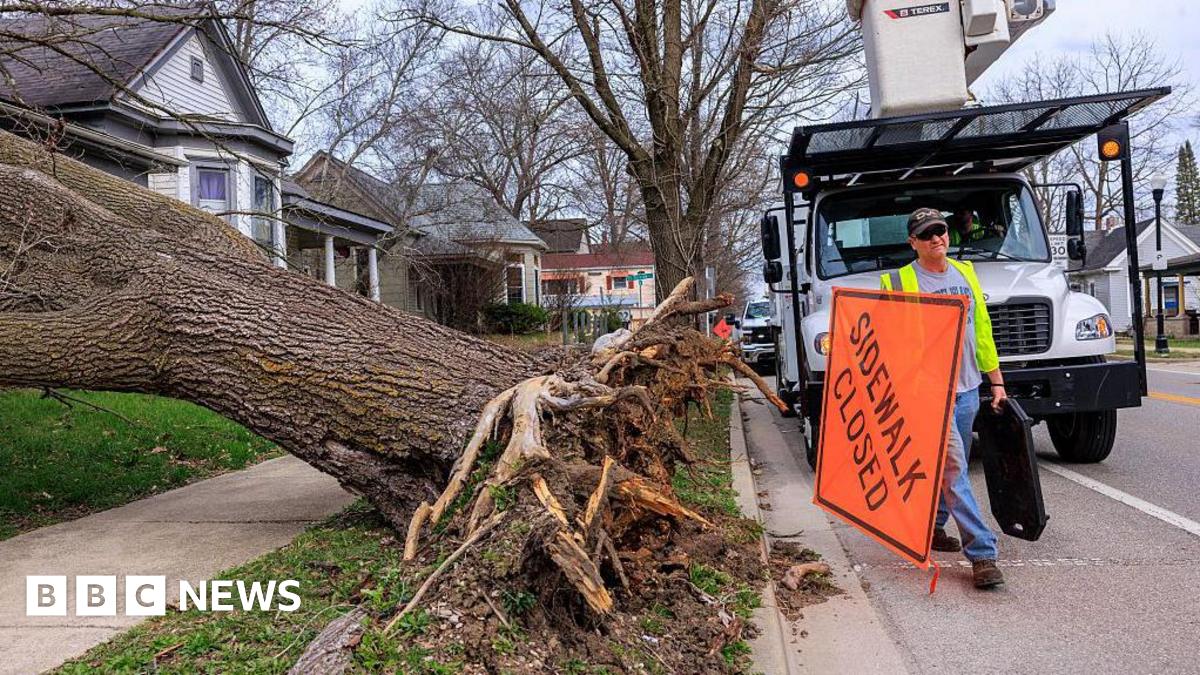
- Significant infrastructure damage and power outages have been reported following high-wind events and tornado touchdowns.
- The combination of a historic blizzard and triple-digit heat in the Southwest marks an unprecedented seasonal overlap.
What Happened
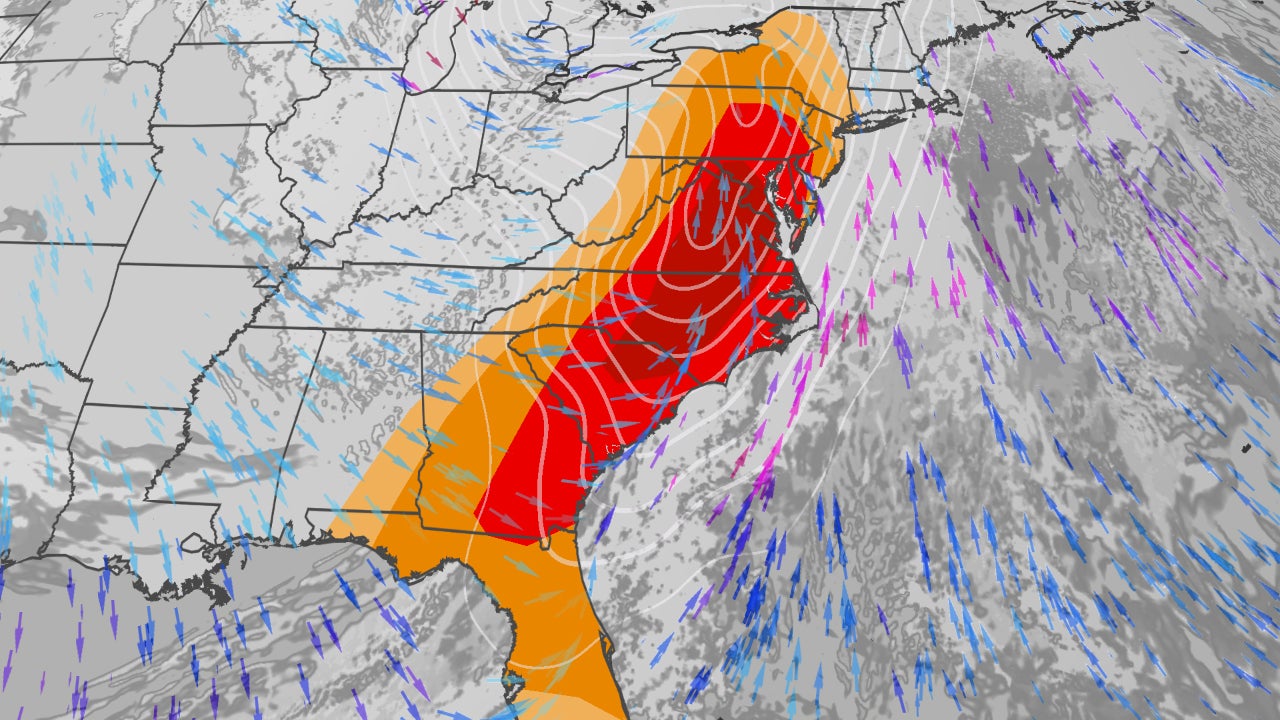
The severe weather outbreak began as a powerful atmospheric disturbance moved across the central United States, intensifying as it reached the East Coast and Midwest on March 15 and 16, 2026. In the southern and eastern regions, moist air fueled the development of intense thunderstorms and tornadoes. Tornado warnings were issued for major portions of North Carolina, South Carolina, West Virginia, and the Florida Panhandle. Meanwhile, in the Midwest, specifically Green Bay, Wisconsin, the system manifested as a historic blizzard with heavy snowfall and high-velocity winds.
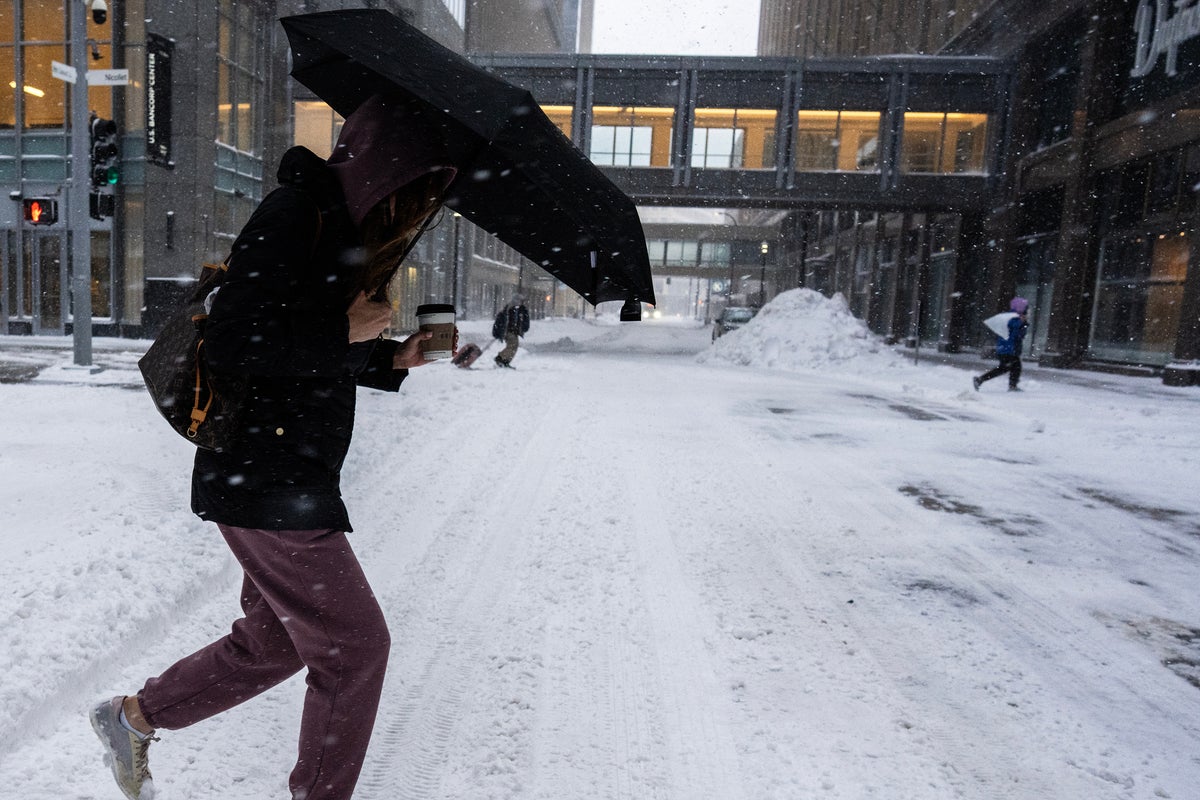
This is a rare severe storm outbreak targeting the East Coast while a historic blizzard paralyzes the Midwest simultaneously.
Key Developments
The National Weather Service has confirmed multiple tornado touchdowns, leading to significant structural damage in rural and suburban communities. In the Midwest, Winter Storm Iona has dropped significant snow totals, with some areas reporting over 12 inches of accumulation in less than 24 hours. Conversely, parts of the Southwest and Southern Plains are experiencing triple-digit heat, with temperatures exceeding 100°F, creating a stark contrast to the blizzard conditions just a few hundred miles north. High wind warnings remain in effect for the Northeast, with gusts projected to reach 60-70 mph in coastal areas.
Why This Matters
The scale of this weather event is statistically rare, affecting more than 50% of the U.S. landmass at once. The storm system has paralyzed travel hubs in the Midwest, leading to the cancellation of hundreds of flights and the closure of major interstate highways. For the East Coast, the threat of tornadoes in early March presents a significant safety risk to high-population corridors. These events also put immense strain on the power grid, with early estimates suggesting tens of thousands of residents are without electricity across the affected states.
What Happens Next
Meteorologists expect the storm system to push into the Atlantic by late March 17, 2026, but not before delivering a final round of heavy rain and wind to the New England area. Residents in the Midwest will face sub-zero wind chills as the blizzard moves out, leaving behind significant snowpack. Recovery efforts for tornado-hit regions in the South are scheduled to begin as soon as local authorities deem conditions safe. Individuals in the path of these storms should monitor the National Weather Service portal for real-time emergency alerts and shelter instructions.
Key Terms & Concepts
- Blizzard
- A severe snowstorm characterized by sustained winds of 35 mph or higher and visibility of less than a quarter-mile for at least three hours.
- Tornado Warning
- An alert issued when a tornado has been sighted or indicated by weather radar, requiring immediate action to find shelter.
- Triple-Digit Heat
- A term referring to temperatures reaching or exceeding 100 degrees Fahrenheit (37.8 degrees Celsius).
Frequently Asked Questions
Which states are currently under tornado warnings?
As of the latest reports, tornado warnings and watches have been issued for portions of North Carolina, South Carolina, West Virginia, and the Florida Panhandle. Local residents are advised to seek shelter immediately if sirens sound.
Is it true that there is a blizzard and 100-degree heat at the same time?
Yes, while the Midwest is experiencing a historic blizzard with heavy snow in Green Bay, Wisconsin, parts of the Southwest are seeing triple-digit heat reaching over 100°F. This represents an extreme temperature gradient across the U.S.
What is the name of the winter storm hitting the Midwest?
The winter storm currently causing blizzard conditions and paralyzing the Midwest has been identified as Winter Storm Iona. It has already dropped over 12 inches of snow in some regions as of March 16, 2026.
How many people are affected by these weather warnings?
More than 150 million people, which accounts for over half of the U.S. population, are currently under some form of extreme weather alert or warning due to this multi-front system.
Where can I find live updates on the storm's path?
Live updates and radar tracking are available through the National Weather Service and major weather outlets. Residents can also check the official Weather Channel site for live reports from high-impact areas like Green Bay.
Resources
Sources and references cited in this article.