Len Deighton Death Trend Summary: British Spy Novelist Dies Aged 97
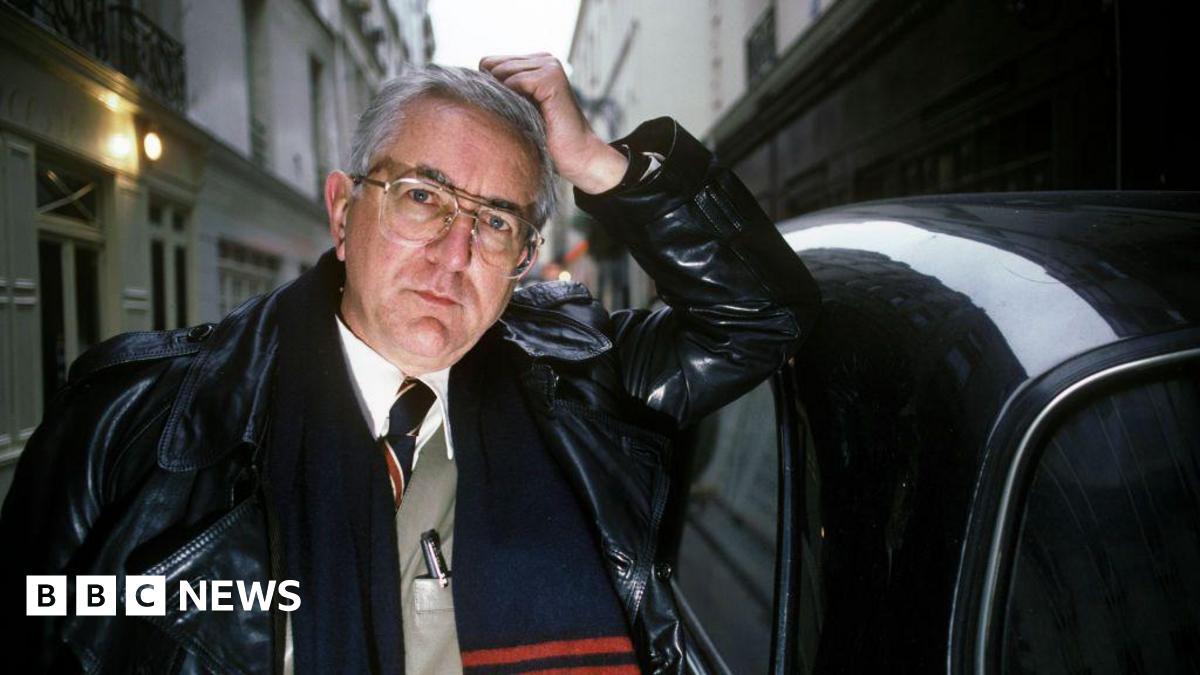
British author Len Deighton died in the United Kingdom at the age of 97, with news confirmed on 17 March 2026. He was known for his influential espionage novels including The Ipcress File. His work changed the portrayal of intelligence agents by focusing on realism. His death prompted widespread recognition of his literary contributions.
TL;DR
- Len Deighton died aged 97 in the United Kingdom
- He authored The Ipcress File and Harry Palmer novels
- His writing introduced realism into espionage fiction
- His influence remains significant in modern spy storytelling
What Happened
Len Deighton, a British novelist, died aged 97 with confirmation reported on 17 March 2026. He became internationally known after publishing The Ipcress File in the 1960s. The novel presented intelligence work as procedural and grounded rather than glamorous. It was later adapted into a film starring Michael Caine, gaining critical recognition.

Before becoming a novelist, he worked as an illustrator and created cookery graphics for publications. His transition into fiction marked a significant change in spy literature. His Harry Palmer character represented an ordinary intelligence officer rather than a heroic figure.
Key Developments
Tributes described Deighton as a remarkable and influential figure in British literature. His novels sold widely and shaped both literary and film depictions of espionage. His writing emphasized administrative systems, documentation, and internal intelligence processes.
His career included not only fiction but also historical and non-fiction works. His storytelling expanded the scope of espionage narratives beyond traditional formats. His work continues to be referenced in discussions of Cold War literature.
Why This Matters
Deighton's death marks the loss of a key figure who transformed espionage fiction. His approach influenced how intelligence work is portrayed in books and films. His focus on realism provided an alternative to fictionalized portrayals of spies.

His influence remains visible in modern storytelling that prioritizes institutional detail. His novels and film adaptations continue to be distributed and studied.
What Happens Next
Publishers are expected to continue distributing his works following renewed public attention. His novels remain available through booksellers and digital platforms. Tributes and retrospectives are likely to highlight his contributions to literature.
Key Terms & Concepts
- Espionage Fiction
- A literary genre focused on spies, intelligence agencies, and covert operations.
- The Ipcress File
- A novel by Len Deighton that introduced a realistic approach to spy narratives.
- Harry Palmer
- A fictional intelligence officer created by Deighton, featured in multiple novels and films.
Frequently Asked Questions
What happened to Len Deighton?
Len Deighton died in the United Kingdom at the age of 97, with confirmation reported on 17 March 2026.
What is Len Deighton known for?
He is known for writing The Ipcress File and creating the Harry Palmer character in spy fiction.
How old was Len Deighton when he died?
Len Deighton was 97 years old at the time of his death.
What made his work different?
His novels focused on realistic intelligence work and bureaucratic systems rather than fictional heroism.
Was The Ipcress File adapted into a film?
Yes, it was adapted into a film starring Michael Caine and received critical recognition.
Resources
Sources and references cited in this article.