Costa Rica’s Security Pivot: Bukele’s Visit, Mega-Prisons, and a Political Crossroads
Costa Rica has found itself at the centre of an unexpected regional debate, as rising crime, judicial scrutiny, and the high-profile presence of El Salvador’s President Nayib Bukele converge. Once known internationally for its relatively peaceful image, the country is now navigating a tense moment where security policy, constitutional limits, and political symbolism intersect.
Main Topic Overview
Over recent months, Costa Rica has reported an uptick in organised crime and violent incidents, prompting renewed discussion about the capacity of its justice and prison systems. Against this backdrop, the government has looked outward for solutions, drawing inspiration from El Salvador’s controversial but widely publicised security strategy under President Bukele. His visit to Costa Rica, and the decision to model a new mega-prison on El Salvador’s facilities, have amplified domestic debate about civil liberties, rule of law, and long-term effectiveness.
News Coverage
Costa Rica Tribunal Denies Efforts to Bar Salvadoran President Bukele’s Visit
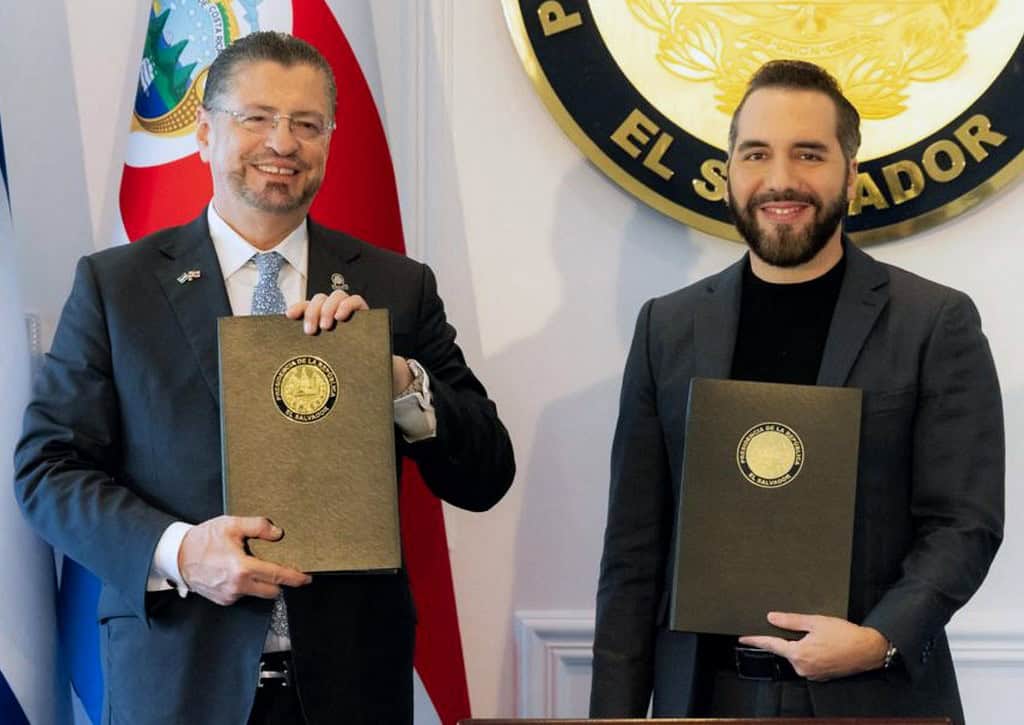
Costa Rica’s constitutional court rejected legal attempts to prevent President Bukele’s official visit, underscoring the judiciary’s role in balancing political dissent with diplomatic protocol. Petitioners argued that Bukele’s presence symbolised an endorsement of harsh security measures, while the court focused narrowly on procedural legality rather than policy substance. The ruling allowed the visit to proceed, but it also highlighted how foreign policy gestures can become focal points for internal political tension. In the wider trend, the decision illustrates Costa Rica’s institutional insistence on legal formality even amid polarised debate.
El Salvador's Influence: Maximum-Security Prisons and Costa Rica's Fight Against Crime
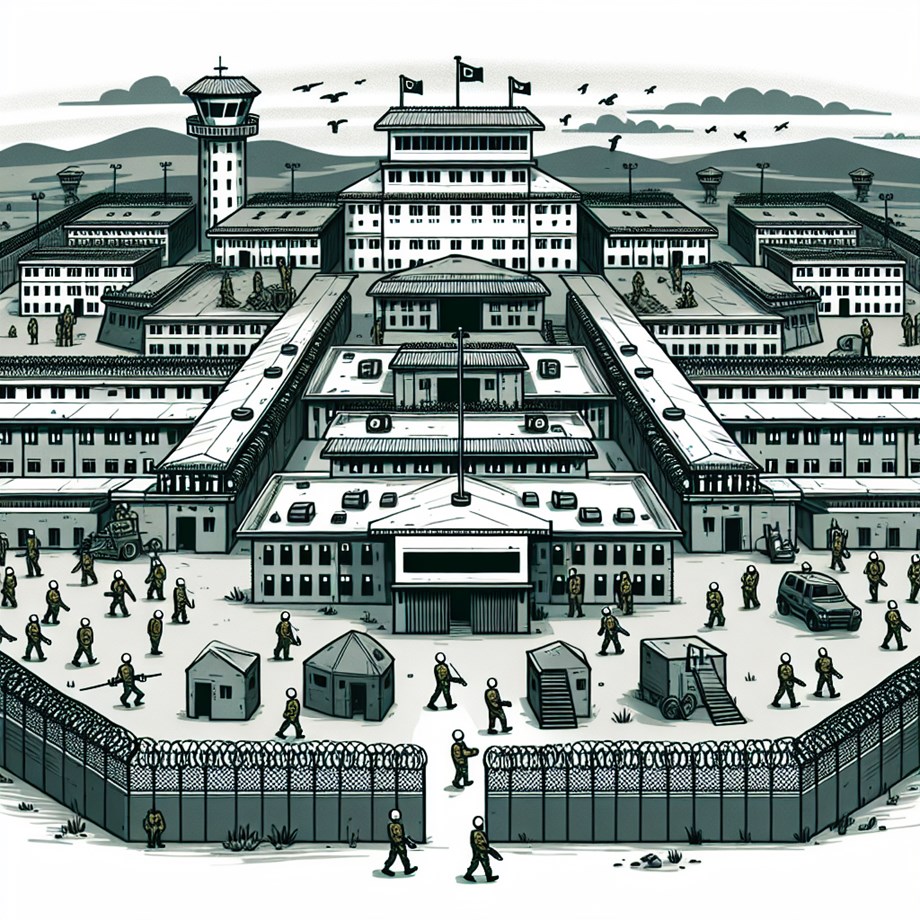
This analysis traces how El Salvador’s mass-incarceration model has begun shaping regional security conversations, particularly in Costa Rica. Supporters see Bukele’s prisons as a deterrent that rapidly reduced gang violence, while critics warn of human-rights trade-offs. Costa Rica’s interest reflects mounting pressure on authorities to demonstrate decisive action. Within the broader narrative, the article situates Costa Rica at a crossroads between preserving its legal traditions and responding to public demand for tougher enforcement.
Costa Rica Builds New Mega-Prison Modelled on El Salvador Jail
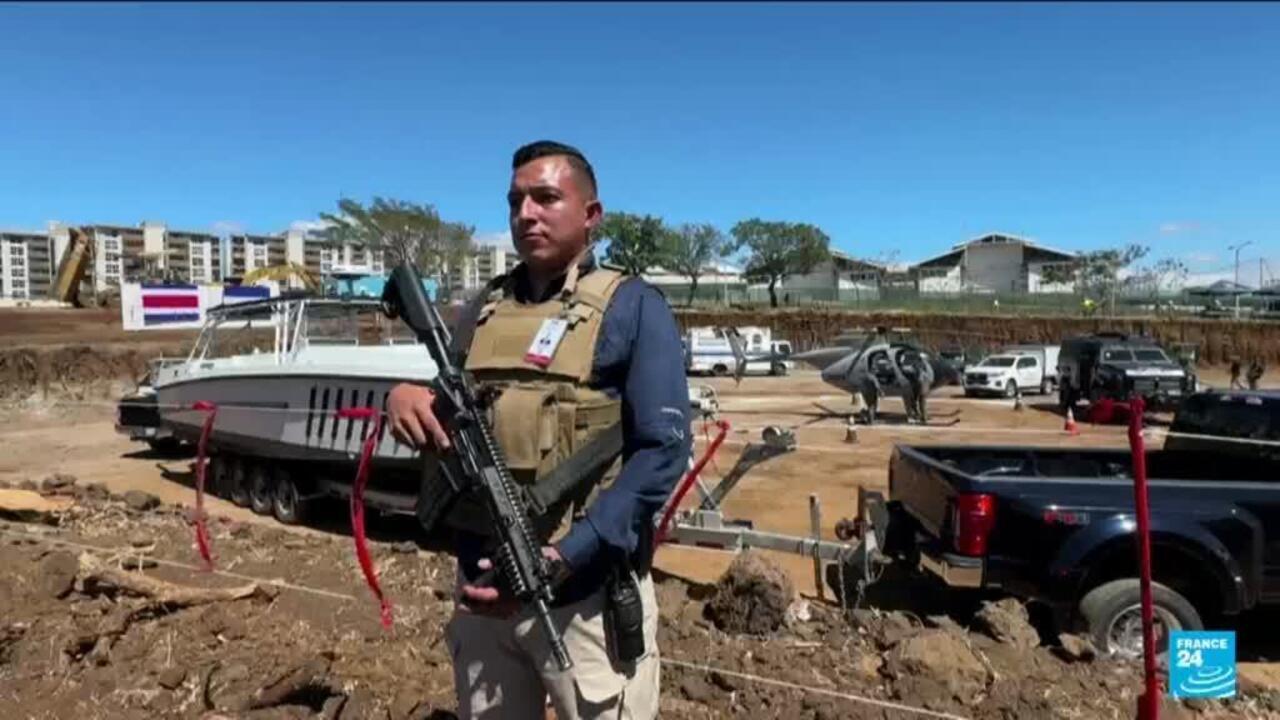
France 24 reports on the concrete manifestation of Costa Rica’s policy shift: the construction of a large-scale detention facility inspired by El Salvador’s maximum-security prisons. Officials frame the project as a capacity solution to overcrowding and organised crime. Observers, however, note concerns about cost, oversight, and compatibility with Costa Rica’s rehabilitative justice ethos. The development marks a tangible step from debate to implementation within the evolving security trend.
El Salvador's Bukele Visit to Costa Rica Stirs Political Controversy

UPI details how Bukele’s visit resonated across Costa Rica’s political spectrum, provoking reactions from lawmakers, activists, and civil-society groups. Some interpreted the استقبال as pragmatic cooperation, others as an implicit endorsement of authoritarian-leaning methods. The controversy underscores how symbolism can outweigh policy specifics. In the larger story, it reflects Costa Rica’s struggle to reconcile external influences with domestic values.
Costa Rica Turns to Bukele’s Prison Model Amid Rising Crime Wave
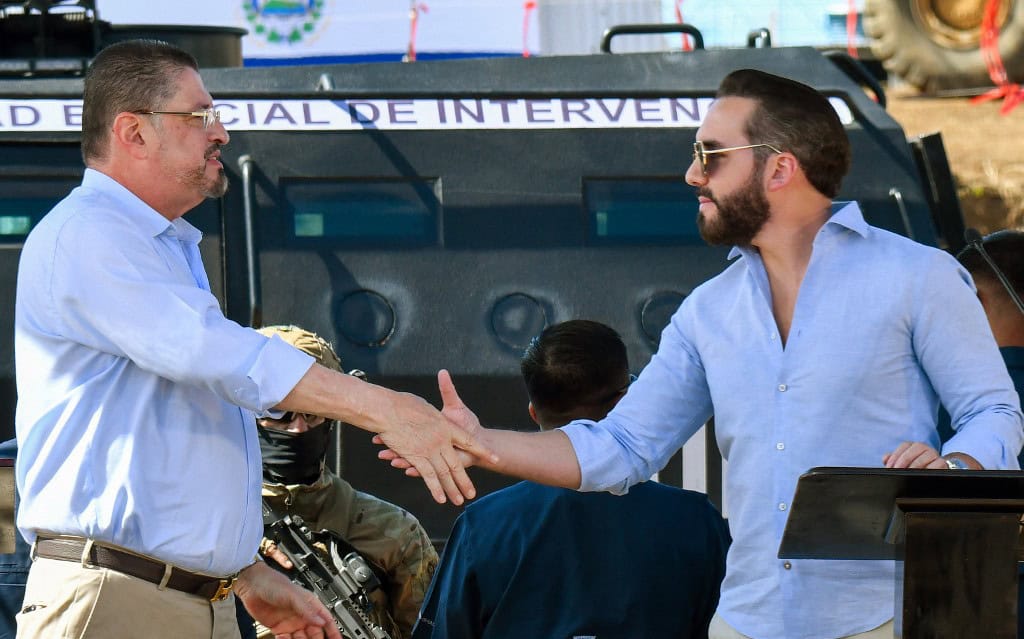
This report links Costa Rica’s policy deliberations directly to public anxiety over crime statistics. Government officials cite urgency, while analysts caution that rapid policy borrowing may overlook contextual differences between the two countries. The article situates the prison model as both a practical response and a political signal. As part of the wider trend, it shows how crime data can accelerate structural decisions.
Costa Rican Activist Stella Chinchilla Denies Role in Alleged Assassination Plot

Separate from prison policy, allegations of an assassination plot introduced another layer of tension. The activist at the centre denied involvement, framing the accusations as politically motivated. Authorities emphasised ongoing investigations without drawing conclusions. Within the broader narrative, the episode illustrates how security fears can extend beyond crime statistics into political trust and civil liberties.
Activist in Costa Rica Denies Plotting to Assassinate the President
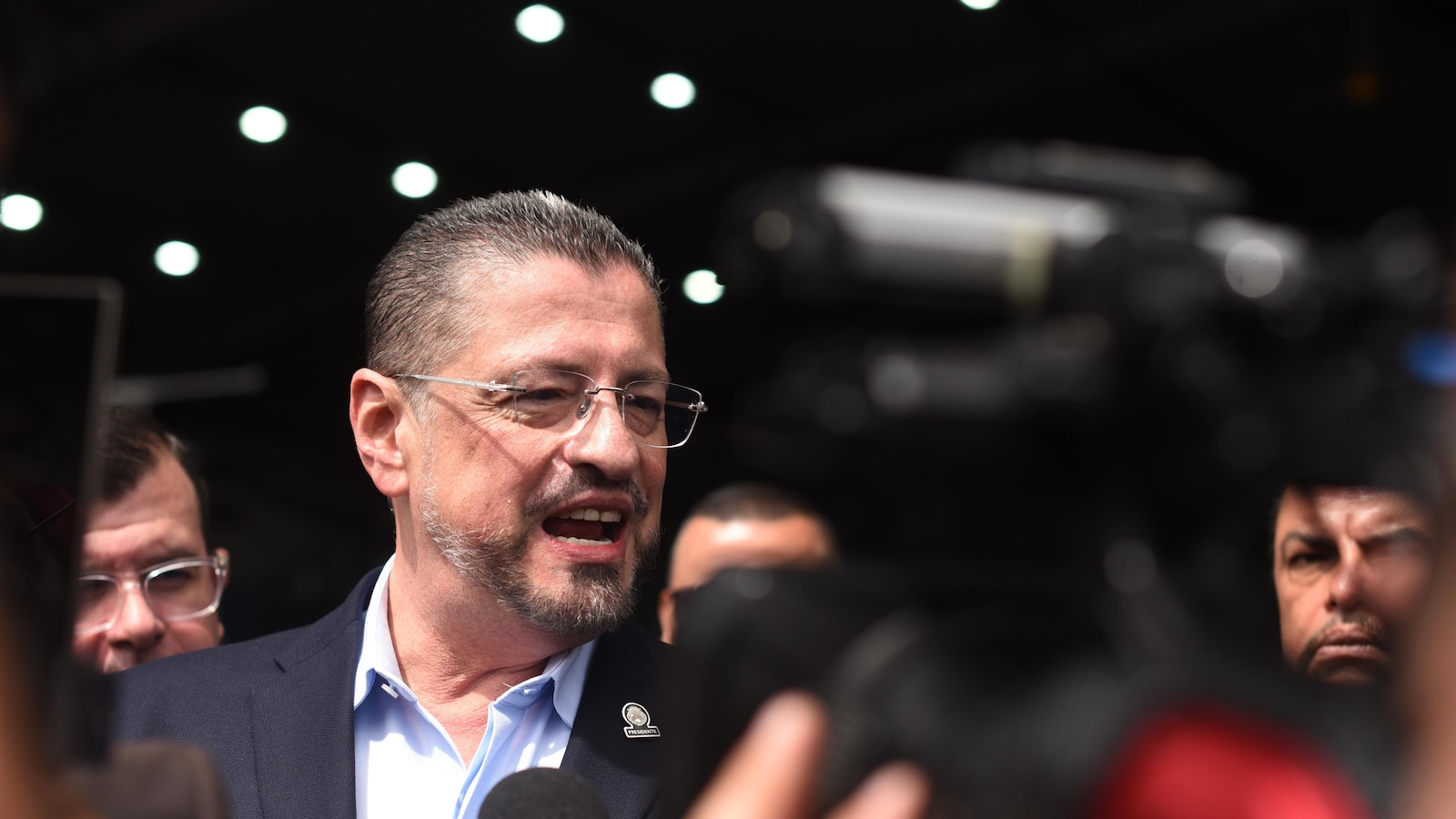
ABC News provides an international lens on the same allegations, highlighting how such claims can affect Costa Rica’s democratic image abroad. The report balances official statements with the activist’s denial, avoiding definitive judgments. In context, the story reinforces how heightened security discourse can magnify individual cases into national concerns.
Summary / Insights
Together, these developments paint a picture of a country reassessing long-held assumptions about security and governance. Costa Rica’s engagement with Bukele’s model reflects urgency rather than ideological alignment, while judicial and civil-society responses signal caution. The coming months will likely test how effectively Costa Rica can integrate tougher measures without undermining institutional trust.