London Al Quds Day Rally and Counterprotest: 2026 Trend Summary
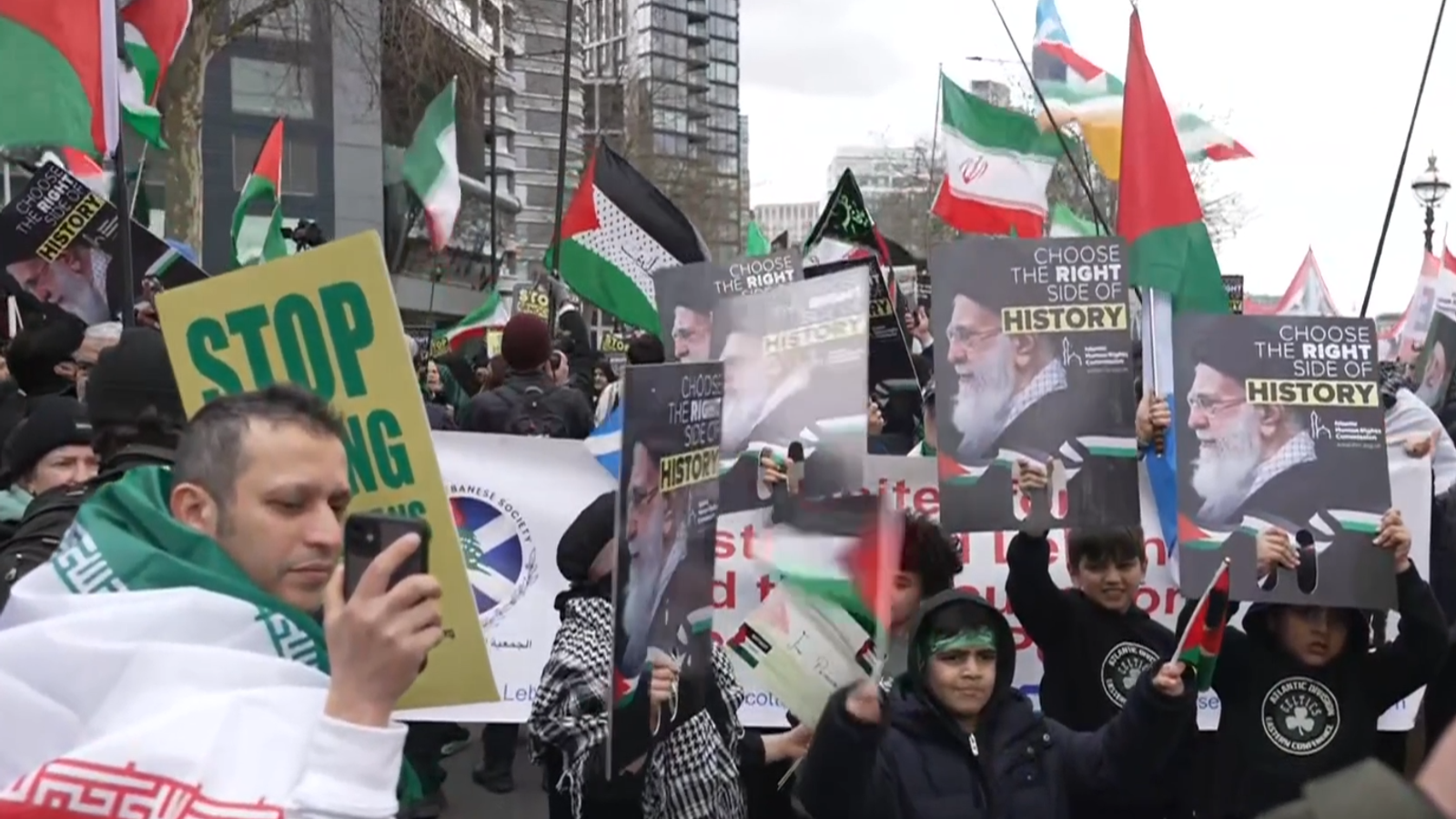
Metropolitan Police officers arrested 12 individuals during the Al Quds Day demonstration and subsequent counterprotests in central London on March 15, 2026. The event, which saw thousands gather near Whitehall, was restricted to a static assembly after authorities banned a planned march citing concerns over public order. Significant police resources were deployed to manage tensions between pro-Palestinian supporters and counter-demonstrators.
TL;DR
- 12 people were arrested for various public order offenses and breach of conditions.
- The Metropolitan Police enforced a ban on marching, mandating a static protest instead.
- Over 1,000 officers were deployed to separate rival protest groups.
- Investigations are underway regarding specific inflammatory chants and signs used during the rally.
What Happened
On Sunday, crowds gathered for the annual Al Quds Day event, which traditionally marks support for Palestinians and opposition to Israel. Following a risk assessment, the Metropolitan Police issued a Section 12 order under the Public Order Act, which prohibited the organizers from marching through the city and restricted the demonstration to a fixed location in Whitehall. Approximately 1,000 police officers were stationed across the area to ensure the two opposing groups remained separated.
We have seen a number of arrests today for offenses including breach of protest conditions and public order violations. Our priority remains the safety of the public and the prevention of serious disruption.
During the rally, musician Bobby Vylan was filmed leading the crowd in a chant of 'death to the IDF' (Israel Defense Forces). This specific incident has become a focal point of a post-event investigation by the police to determine if the language used constitutes a criminal offense under hate speech or public order legislation.

Key Developments
The 12 arrests included individuals from both the main Al Quds Day rally and the counterprotest. Charges included failure to comply with a police direction, possession of an offensive weapon, and suspected public order offenses related to placards and vocalized slogans. Police utilized facial recognition technology and extensive CCTV monitoring throughout the day to identify individuals in breach of the law.
Official reports indicate that the Islamic Human Rights Commission (IHRC) organized the main event, which drew thousands of attendees. Meanwhile, a counterprotest organized by pro-Israel groups took place nearby, leading to verbal confrontations that required police intervention to prevent physical escalation.
Why This Matters
The event highlights the ongoing tension in London regarding international conflicts and the limits of protest rights. The ban on the march reflects a stricter approach by the Metropolitan Police toward major demonstrations that threaten to paralyze the city center. Additionally, the investigation into specific chants underscores the legal complexities surrounding the definition of 'incitement' versus 'political speech' in the United Kingdom.
What Happens Next
The Metropolitan Police will continue to review video footage from the event to identify any further criminal activity. Those currently in custody are expected to be processed and potentially charged within the next 24 to 48 hours. The Home Office is also expected to review the police handling of the event to determine if current public order powers are sufficient for future high-tension rallies.
Key Terms & Concepts
- Al Quds Day
- An annual international day first established in Iran to express support for Palestinians and oppose Zionism.
- Section 12 Order
- A legal power used by UK police to impose conditions on a public assembly to prevent serious public disorder or disruption.
- Static Demonstration
- A protest where participants are required by law to remain in one specific location rather than moving in a march.
Frequently Asked Questions
What is the Al Quds Day protest in London?
It is an annual event held in London, organized by the Islamic Human Rights Commission, to show solidarity with Palestinians. In 2026, it took place on March 15 and involved thousands of participants in Whitehall.
Why were there arrests at the London protest?
Police arrested 12 people for various reasons, including carrying offensive weapons, public order offenses, and failing to follow the specific 'static' protest rules set by the Metropolitan Police.
Was the Al Quds Day march banned?
Yes, the Metropolitan Police banned the march portion of the event, requiring it to be a 'static' rally instead to minimize disruption to London's traffic and public safety.
Who is Bobby Vylan and why is he being investigated?
Bobby Vylan is a musician who led chants of 'death to the IDF' during the rally. The Metropolitan Police are investigating whether this chant violated public order laws or incited violence.
How many police officers were at the London protest?
Over 1,000 officers from the Metropolitan Police were deployed to manage the crowds and separate the Al Quds Day supporters from counter-protesters.
Resources
Sources and references cited in this article.