Reza Pahlavi Returns to the Spotlight as Iran’s Opposition Debate Reignites
Over recent days, the name Reza Pahlavi has re-emerged prominently in British and international media. The son of Iran’s last shah is once again being discussed not only as a historical figure in exile, but as a potential symbol, spokesperson, or even leader for parts of Iran’s fragmented opposition. The renewed attention reflects wider uncertainty around Iran’s political future, ongoing protests, and international positioning.
Main Topic Overview
has lived outside Iran since the 1979 revolution that ended the Pahlavi monarchy. For decades, his role remained largely symbolic, tied to legacy rather than active leadership. Recent developments — including protests inside Iran, international diplomatic tensions, and renewed debate over post-Islamic Republic scenarios — have brought him back into public discussion. Media coverage now questions not just who he is, but what role, if any, he could realistically play.
News Coverage
Who is Reza Pahlavi, the son of Iran's last shah?
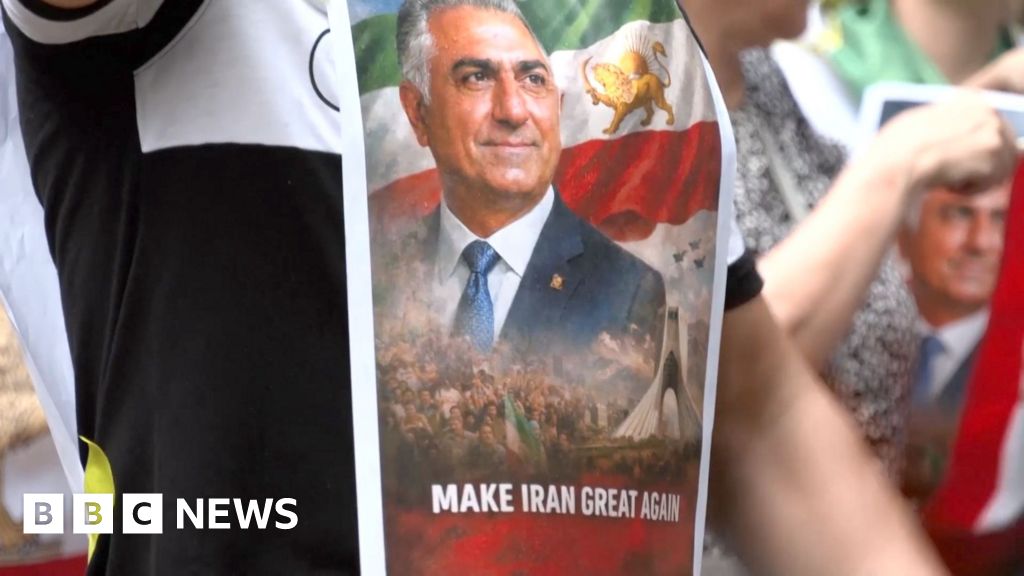
The BBC’s explainer revisits Pahlavi’s background, tracing his life from royal exile to political commentator. It outlines how his identity is inseparable from Iran’s pre-revolutionary history, a factor that both attracts attention and provokes scepticism. The piece avoids endorsement, instead explaining why his name resurfaces during moments of crisis. It positions him as a familiar reference point in an otherwise uncertain opposition landscape.
Reza Pahlavi vows to recognise Israel, end nuclear programme if he led Iran

This report focuses on policy statements attributed to Pahlavi, particularly his positions on Israel and Iran’s nuclear programme. Al Jazeera frames these comments as hypothetical, stressing that he holds no formal power. The coverage highlights how such declarations are aimed at international audiences as much as domestic ones. It underscores the gap between stated intentions and political reality.
Reza Pahlavi: is the last shah's son a viable opposition leader for Iran?

The Guardian’s video explainer directly addresses the central question shaping the trend: viability. It contrasts Pahlavi’s international visibility with the lack of organised support structures inside Iran. Analysts featured in the piece point to generational divides and historical memory as complicating factors. The coverage presents uncertainty rather than conclusion.
Iran’s Exiled Crown Prince Believes Trump to Be ‘A Man of His Word’

Time places Pahlavi’s remarks within a broader geopolitical frame, examining how he interprets potential US leadership and foreign policy shifts. The article emphasises perception rather than prediction, noting how opposition figures often seek reassurance from external powers. It also reflects how Iran-related discourse frequently intersects with US politics. The tone remains analytical, not promotional.
Reza Pahlevi, the deposed crown prince raised up by the desperation of the Iranian people
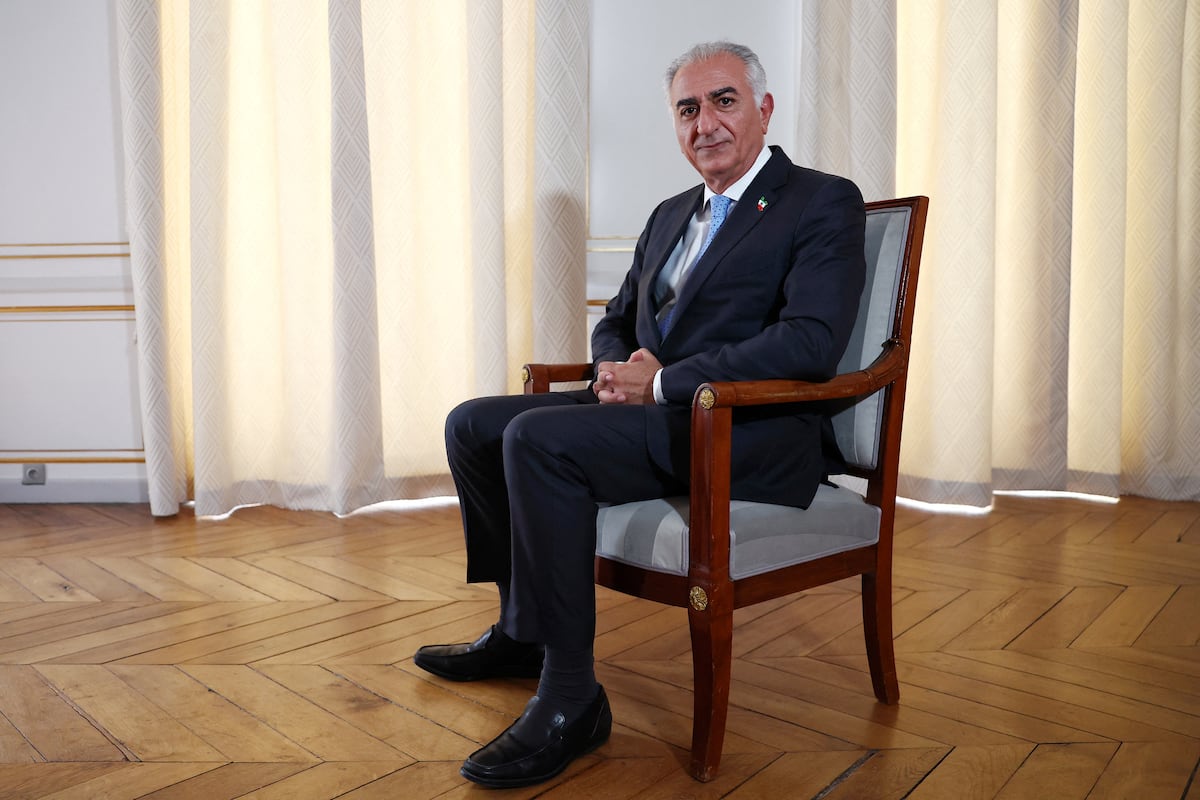
This piece explores why some Iranians and diaspora groups project hope onto Pahlavi during periods of unrest. It links this phenomenon to desperation rather than consensus, highlighting emotional drivers alongside political calculation. The article carefully distinguishes symbolic appeal from organisational capacity. It adds depth by examining sentiment rather than strategy alone.
Trump-Iran latest: President threatens ‘very strong action’ if protesters are hanged
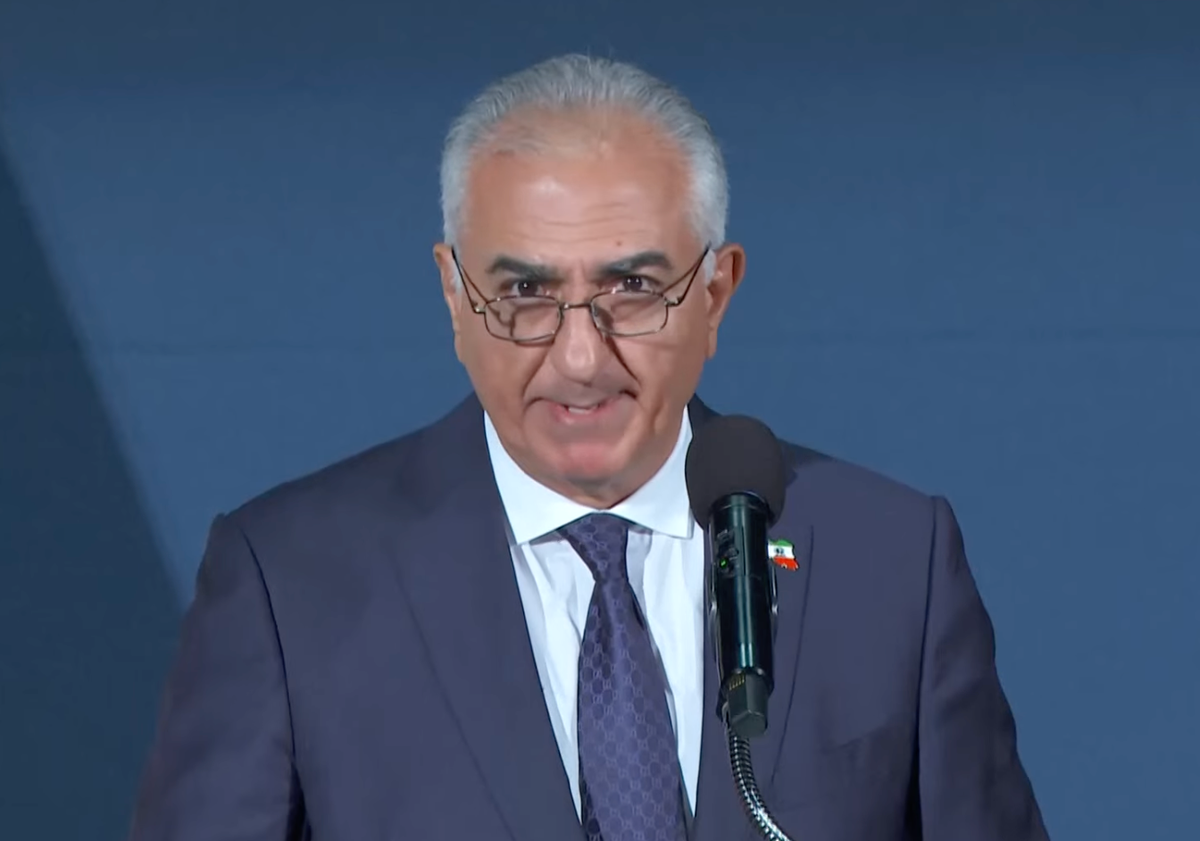
Although not centred on Pahlavi, this article provides essential context. It outlines international reactions to Iran’s internal repression, the backdrop against which opposition figures gain attention. The report shows how external pressure and protest coverage shape the environment in which names like Pahlavi resurface. It connects individual narratives to systemic dynamics.
Summary / Insights
The renewed focus on Reza Pahlavi reflects uncertainty rather than resolution. Coverage across British and international outlets suggests he is viewed simultaneously as a historical symbol, a media-savvy spokesperson, and a contested political option. While some frame him as a potential rallying point, others stress structural limits and generational divides. The trend highlights how moments of crisis reopen long-standing questions about leadership, legitimacy, and Iran’s possible futures.
TL;DR: Reza Pahlavi’s return to headlines says as much about Iran’s unresolved political landscape as it does about his personal ambitions.