Tony Blair Re-enters the Global Spotlight as Gaza Talks Shift Into Phase Two
In mid-January, a familiar figure returned to the centre of international diplomacy. Tony Blair, the former UK prime minister long associated with Middle East mediation, was named as part of a newly announced US-backed "Gaza Board of Peace." The move coincided with the transition to a second phase of a fragile ceasefire, immediately drawing global attention and sharply divided reactions. For Britain, Blair’s reappearance carries particular resonance, reopening debates about legacy, credibility, and the role former leaders play long after leaving office.
Main Topic Overview
The announcement from Washington signals a shift from short-term ceasefire management toward longer-term political restructuring in Gaza. The proposed board brings together figures with experience in diplomacy, finance, and regional negotiation, positioning itself as an advisory and coordinating body rather than a governing authority. Supporters argue this approach could unlock stalled reconstruction and security arrangements, while critics question both its legitimacy and its practical impact on the ground.
Tony Blair’s inclusion is central to the debate. Since leaving Downing Street, he has remained active through advisory roles and his Middle East-focused institute, often operating behind the scenes. This is not the first time Blair has been asked to contribute to Gaza-related initiatives, but the scale and visibility of this role mark a notable escalation.
News Coverage
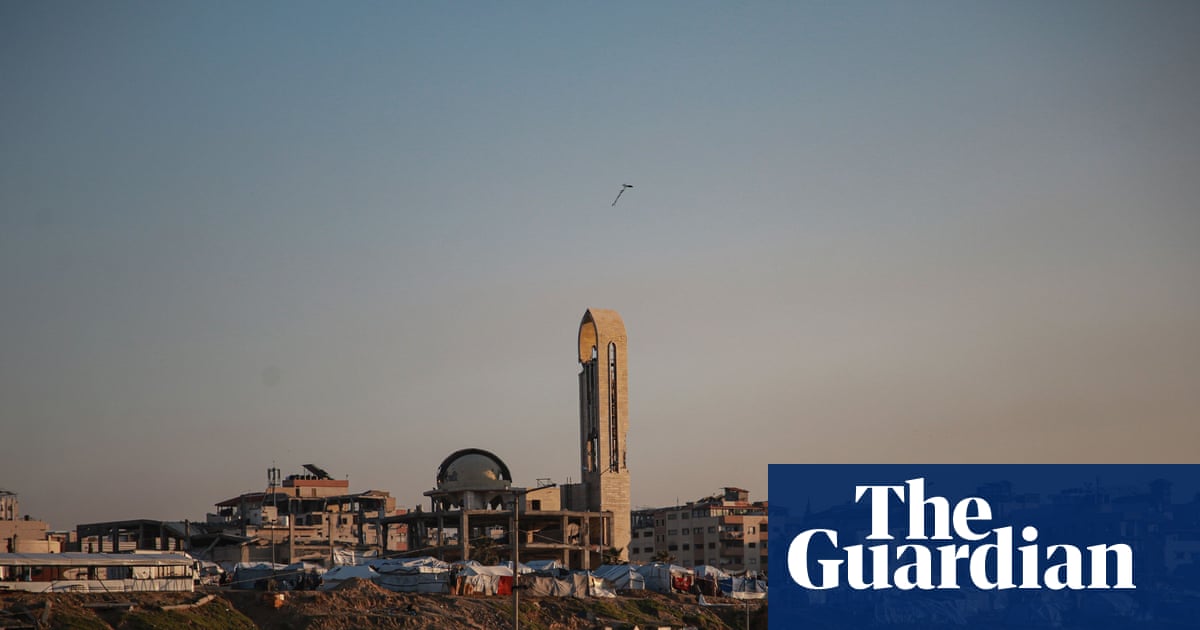
White House announces Gaza ‘board of peace’ with Tony Blair, Jared Kushner and Marco Rubio

The Guardian frames the announcement as a politically bold and potentially contentious move, highlighting the mix of American and international figures appointed to the board. Blair’s presence is presented as an attempt to inject diplomatic experience into a process dominated by US strategic interests. The report notes scepticism from humanitarian groups, who question whether an external board can address Gaza’s realities without direct Palestinian representation.
At the same time, the article situates the move within a broader White House effort to demonstrate momentum after months of stalled negotiations. Blair is portrayed neither as a decision-maker nor a symbolic figurehead, but as a bridge between Western capitals and regional actors.
Trump names Tony Blair, Jared Kushner to Gaza ‘Board of Peace’

Al Jazeera’s coverage focuses on regional reaction, emphasising how Blair’s past involvement in Middle East diplomacy shapes perceptions of the board. The report outlines concerns from regional analysts who view the initiative as US-led rather than internationally mandated. Blair’s history as a former envoy is cited as both an asset and a point of controversy.
The article also underscores uncertainty about the board’s authority, noting that its role remains advisory. This ambiguity, Al Jazeera suggests, may limit expectations while still influencing diplomatic calculations among neighbouring states.
Hamas ordered to disarm as US brings in Gaza transitional government

The Telegraph places the board within a tougher security-focused narrative, linking Blair’s appointment to wider US demands around demilitarisation. The piece argues that diplomatic structures such as the board are intended to support enforcement of ceasefire terms rather than negotiate them.
Blair’s role is described as part of a technocratic approach, aimed at reassuring international donors and investors. The article reflects a belief that economic reconstruction and political stability are inseparable in Gaza’s next phase.
What’s next for Gaza as US announces phase two of ceasefire?
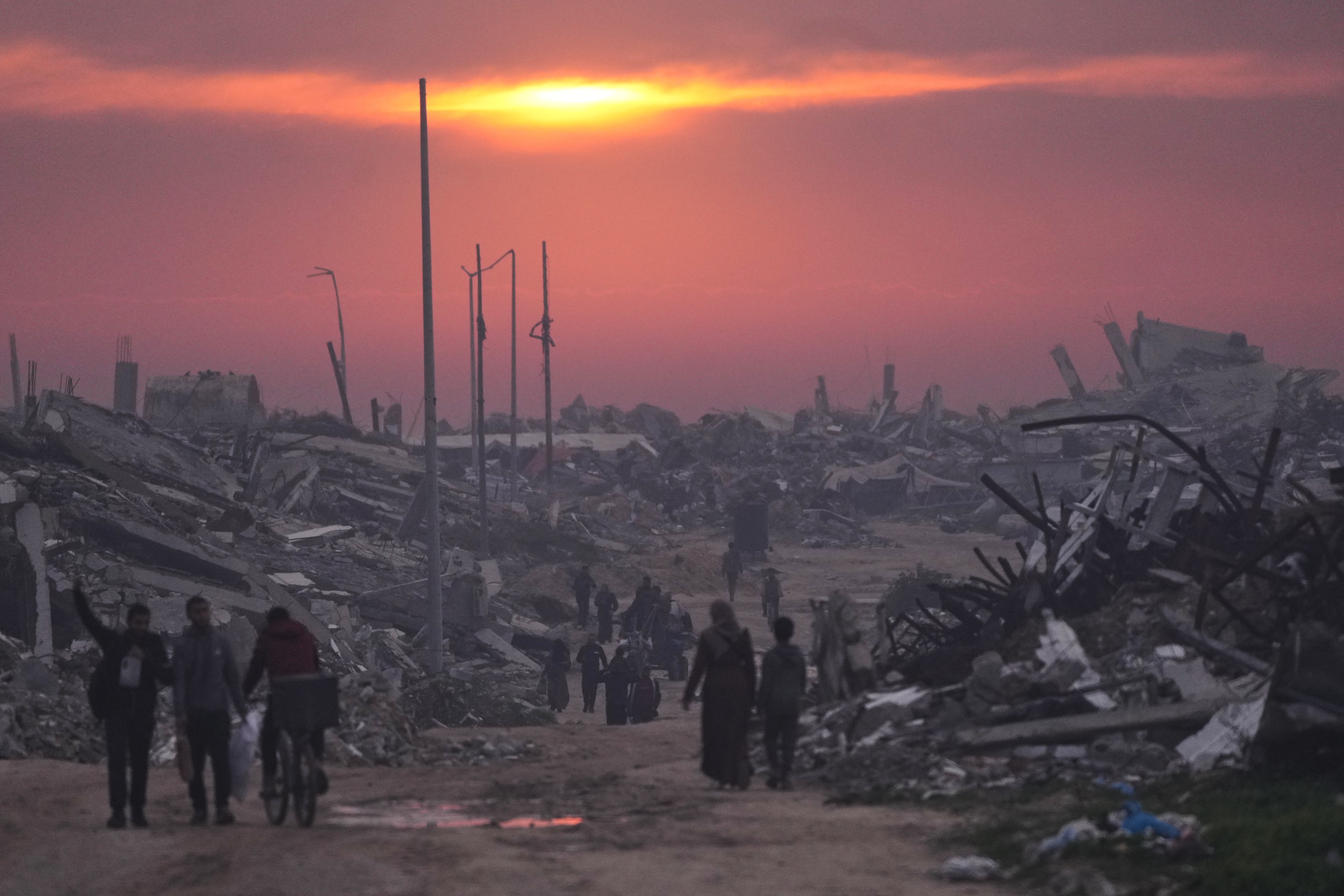
The Independent takes a broader analytical view, situating Blair’s involvement within the wider ceasefire framework. The report notes that phase two is expected to move beyond violence reduction toward governance questions, making experienced intermediaries more relevant.
Blair is referenced as one of several figures intended to provide continuity between past initiatives and the current process. The tone remains cautious, highlighting unresolved questions about timelines and enforcement.
Pitfalls loom as Trump's Gaza peace plan enters second phase
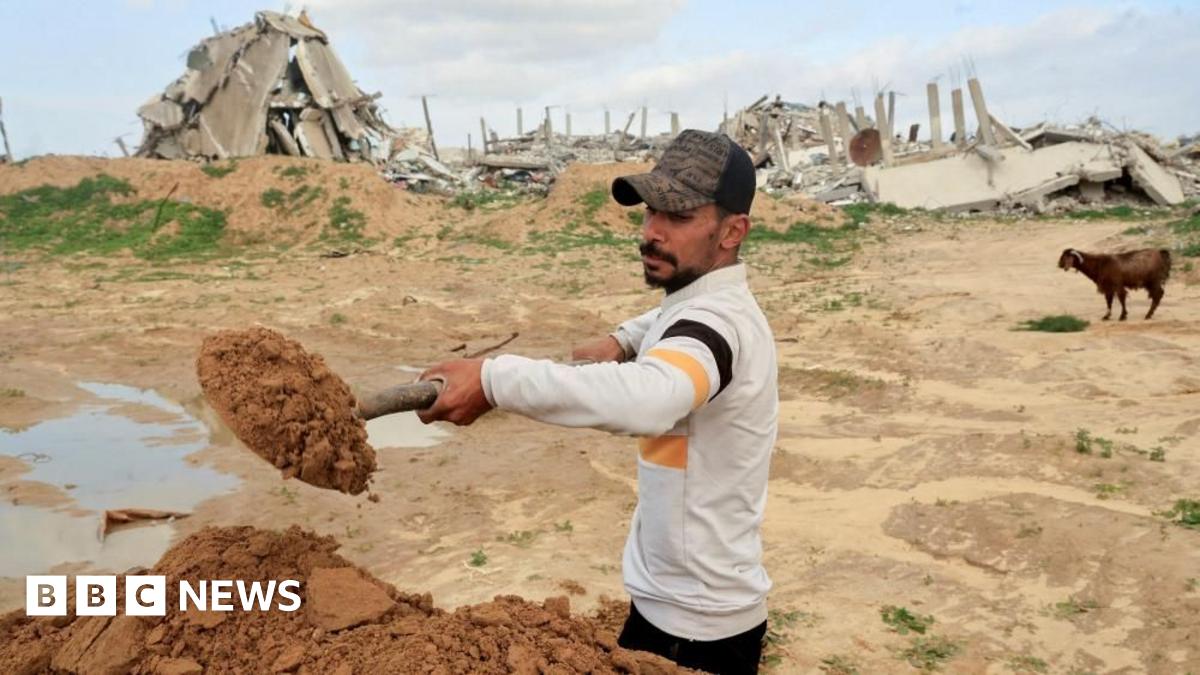
The BBC highlights structural risks facing the peace plan, including political legitimacy and coordination challenges. Blair’s appointment is discussed as a double-edged sword: offering diplomatic experience while reviving debates about Western-led solutions.
The analysis stresses that similar initiatives in the past struggled to translate international support into local acceptance, a point particularly relevant to Blair given his long history in the region.
US moves to transitional government in Gaza
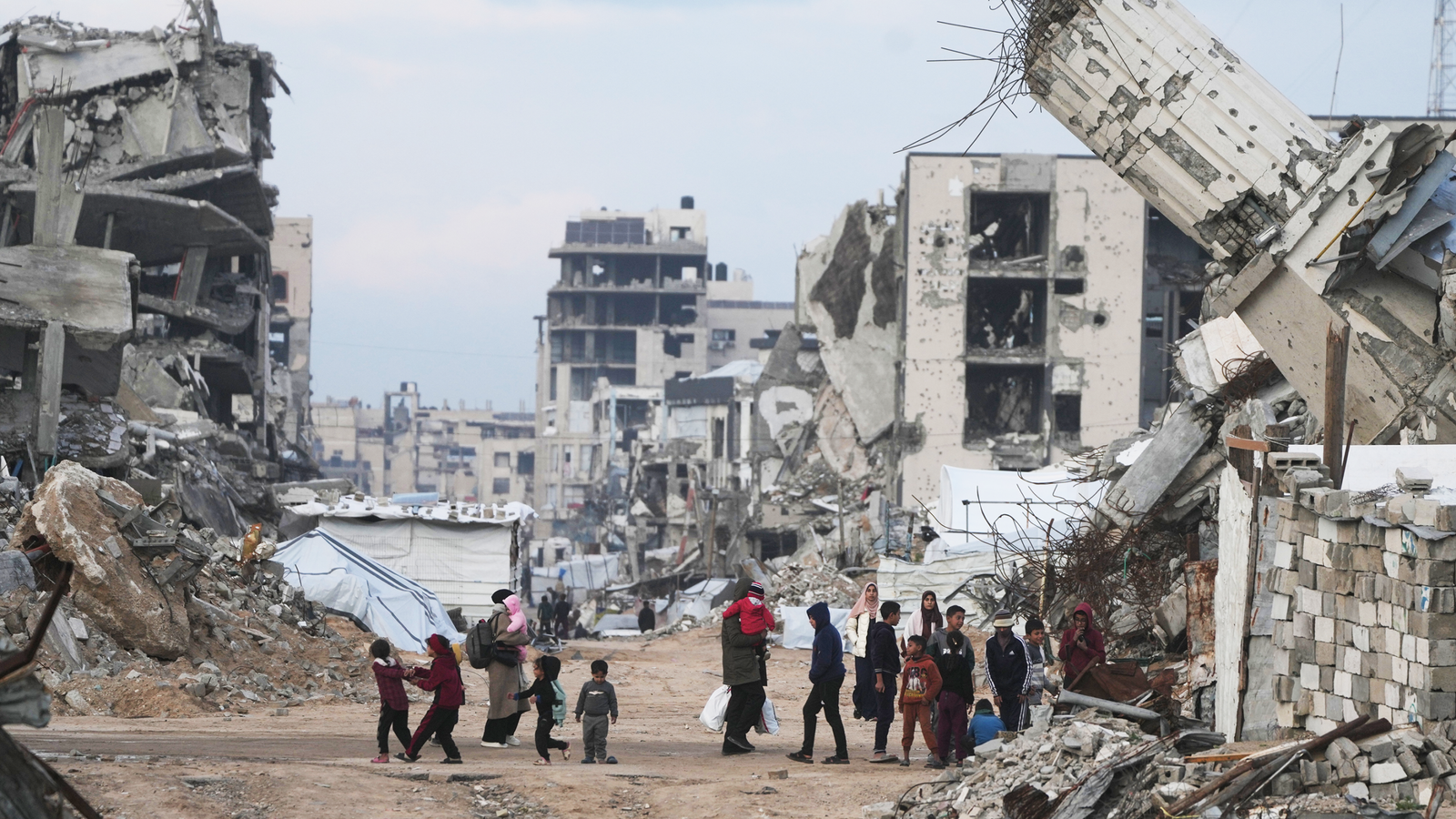
Sky News focuses on governance mechanics, explaining how the proposed transitional arrangements intersect with the board’s advisory role. Blair’s experience with post-conflict reconstruction is cited as a rationale for his inclusion.
The piece emphasises uncertainty over how long such arrangements might last, suggesting the board could shape early decisions without controlling outcomes.
Trump announces Gaza Board of Peace after U.S. moves to cease-fire's second phase

Haaretz examines the initiative through an Israeli lens, analysing how Blair’s role is perceived within existing diplomatic channels. The report notes that Blair is seen as a known quantity, familiar to policymakers from previous negotiations.
The article also points out that expectations remain limited, with most attention focused on whether the board can maintain momentum rather than deliver rapid breakthroughs.
Technocratic committee overseeing Gaza transition revealed

Middle East Eye reports on parallel technocratic structures, suggesting the board is one element of a broader administrative framework. Blair’s involvement is presented as part of an international layer operating alongside local committees.
The piece highlights questions about accountability and representation, themes that recur across coverage and shape scepticism toward externally driven solutions.
Summary / Insights
Across outlets, Tony Blair’s return is interpreted less as a personal comeback and more as a signal of how the Gaza process is evolving. The second phase of the ceasefire shifts attention from immediate security to governance, reconstruction, and international coordination. Blair’s experience offers continuity with past efforts, while also reviving long-standing debates about external influence and legitimacy.
What emerges is not consensus but cautious expectation. Supporters view the board as a pragmatic attempt to manage complexity; critics see unresolved risks. For British audiences, Blair’s role adds an extra layer of scrutiny, linking current events to earlier chapters in UK foreign policy.
TL;DR
Tony Blair has been appointed to a new US-backed Gaza Board of Peace as the ceasefire enters its second phase. Coverage highlights his diplomatic experience, ongoing scepticism about external solutions, and the broader shift toward governance and reconstruction.