Trump's Global Strategy: A Return to Imperialism or a New Vision?
In recent weeks, the political landscape has been buzzing with discussions surrounding former President Donald Trump's foreign policy maneuvers. The rhetoric and actions have sparked debates on whether Trump is reviving old imperialistic approaches or forging a new path for American dominance. This digest explores the latest developments, the reactions from global leaders, and the potential implications of Trump's strategies.
‘Nobody Can Stop Us’

This article delves into the assertion of power by Trump's administration, drawing parallels with historical empires. The narrative suggests a coherent vision of dominance, which raises questions about the implications for international law and order. The article critically examines the administration's actions in Venezuela, where Trump's policies have been particularly aggressive. This aggressive stance could signal a shift in global power dynamics, with potential backlash from other nations.
Bowen: Trump risks pushing world back to age of empires
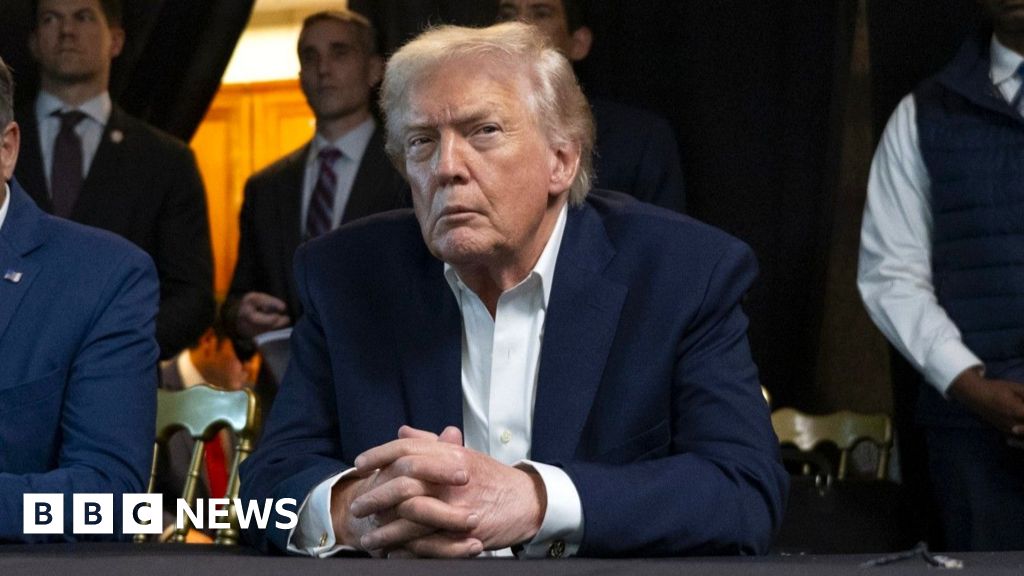
The BBC's analysis warns of the potential consequences of Trump's policies, suggesting they might hark back to an era of imperial expansion. The piece explores the historical context of such strategies, drawing comparisons with past empires. It highlights concerns from international communities regarding the erosion of diplomatic norms and the potential destabilization this could cause. With a focus on Venezuela, the article underscores the geopolitical tensions arising from Trump's actions.
Trump’s ‘American Dominance’ May Leave Us With Nothing
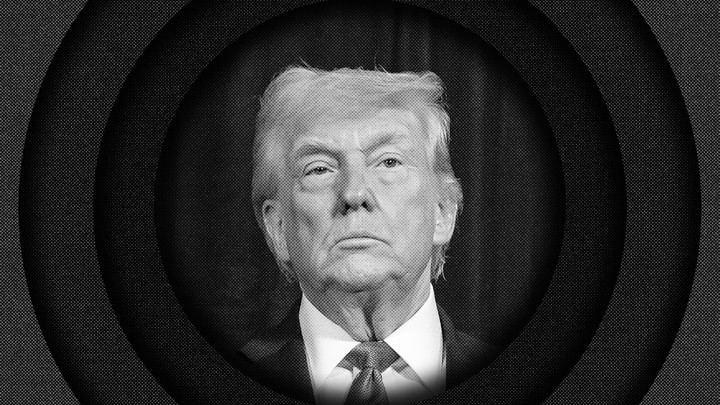
This article from The Atlantic critiques the potential long-term repercussions of Trump's foreign policy. It suggests that the focus on 'American dominance' might lead to isolation rather than strength. By examining the economic and political costs, the piece argues that such an approach could undermine alliances and weaken the U.S.'s global standing. The analysis provides a critical view of how these policies might reshape international relations.
From Caracas to Minneapolis, the threat is the same – an American president ruling like a global emperor
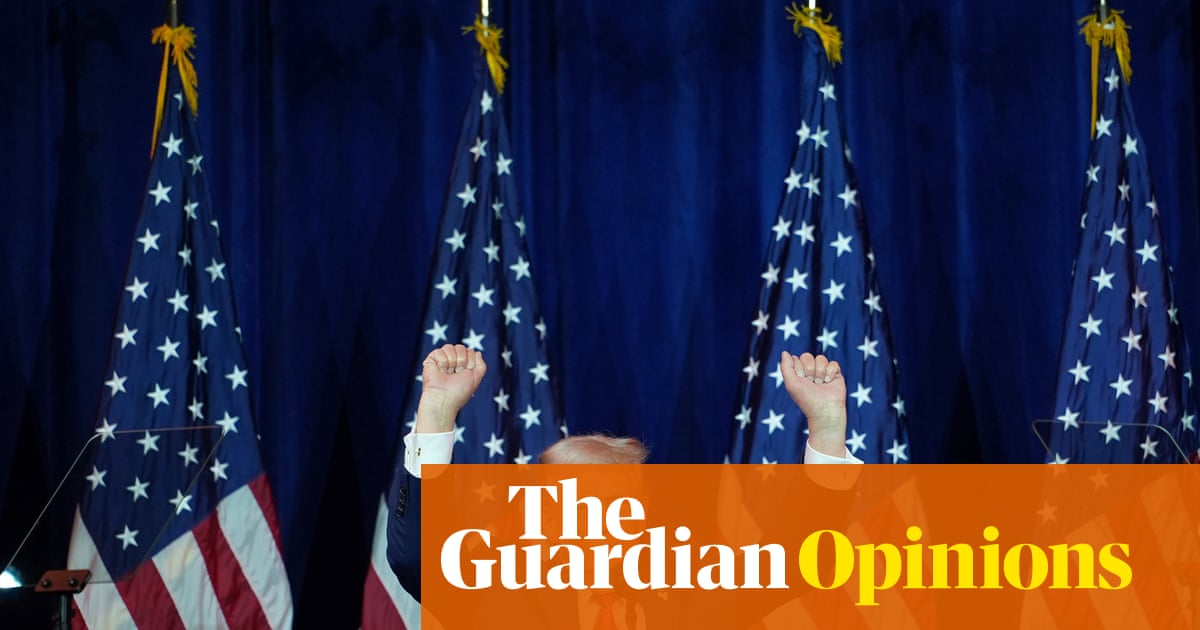
The Guardian explores the broader implications of Trump's governance style, likening it to that of an emperor. By examining cases from Caracas to Minneapolis, the article discusses how domestic and foreign policies reflect a centralized power structure. This perspective raises questions about democratic principles and the potential impact on civil liberties. The piece adds depth to the conversation by connecting local and global policy effects.
How Donald Trump Broke With His Own Foreign Policy

This analysis from The Atlantic investigates the shift in Trump's foreign policy, highlighting a departure from traditional approaches. The piece delves into the inconsistencies between his administration's stated goals and their actual implementation. By focusing on specific incidents, the article provides a nuanced view of how these changes have affected international perceptions of the U.S. as a global leader.
The rhetoric of the Trump administration has taken a chilling turn
The Australian Broadcasting Corporation reports on the increasingly aggressive language coming from Trump's administration, drawing attention to its impact on international relations. The article suggests that this rhetoric could lead to heightened tensions and potential conflicts, especially in regions like Venezuela and Greenland. By analyzing past and recent statements, the piece provides insight into the administration's evolving communication strategy.
Column | Trump’s anti-globalism looks like old-school Yankee imperialism

The Washington Post examines the similarities between Trump's anti-globalist policies and historical American imperialism. The column argues that despite a facade of reducing global involvement, the administration's actions suggest a reassertion of influence reminiscent of past U.S. expansionism. This analysis provides a critical perspective on how these policies are perceived both domestically and internationally.
A New Theory Explains Why Trump Keeps Threatening Global Takeovers

Mother Jones presents a theory on Trump's foreign policy, likening it to neo-royalism. The article explores the motivations behind his global strategies, suggesting that they are driven by an ideology similar to historical monarchies. This perspective provides a unique angle on understanding the administration's actions and their potential implications for international governance.
Updates: Trump boasts of abduction of Venezuela’s Maduro amid global outcry

Al Jazeera covers the controversial abduction of Venezuela's President Maduro, which has been met with widespread condemnation. The article details the international response, highlighting the UN Security Council's criticism of the U.S.'s actions. This incident has intensified debates about the legality and morality of Trump's foreign policy, raising concerns about potential repercussions for U.S. diplomacy.
President Trump Holds News Conference on U.S. Airstrikes Against Venezuela
C-SPAN provides coverage of Trump's announcement regarding airstrikes in Venezuela. The piece captures the administration's justification for military intervention, emphasizing the protection of American interests. This development has sparked discussions about the legality of such actions and their impact on U.S.-Latin America relations, revealing deeper geopolitical implications.
Summary / Insights
The overarching theme of recent news coverage is the global reaction to Trump's assertive foreign policy, perceived by some as a return to imperialistic strategies. The discourse highlights concerns over the erosion of international diplomatic norms and the potential for increased geopolitical tensions. While some view these moves as a necessary assertion of American power, others fear the long-term consequences on global stability and U.S. relations. As the world watches, the potential outcomes remain uncertain, prompting debates about the future of international governance and America's role within it.