Uganda’s Election Moment: Power, Protest, and the Politics of Control
Uganda has returned to the global spotlight as voters head to the polls in a presidential election that blends familiar political rivalries with renewed questions about governance, civil liberties, and the management of dissent. International coverage has focused not only on the contest between long-serving president Yoweri Museveni and opposition figure Bobi Wine, but also on the broader environment in which the vote is taking place.
Main Topic Overview
This election represents another pivotal chapter in Uganda’s modern political history. President Museveni, in power for decades, is seeking to extend his rule once again, while Bobi Wine continues to mobilise younger and urban voters who argue for political renewal. Alongside the candidates themselves, issues such as internet access, security measures, and the independence of electoral institutions have become central to the conversation.
News Coverage
Ugandan election : Yoweri Museveni faces Bobi Wine in presidential poll
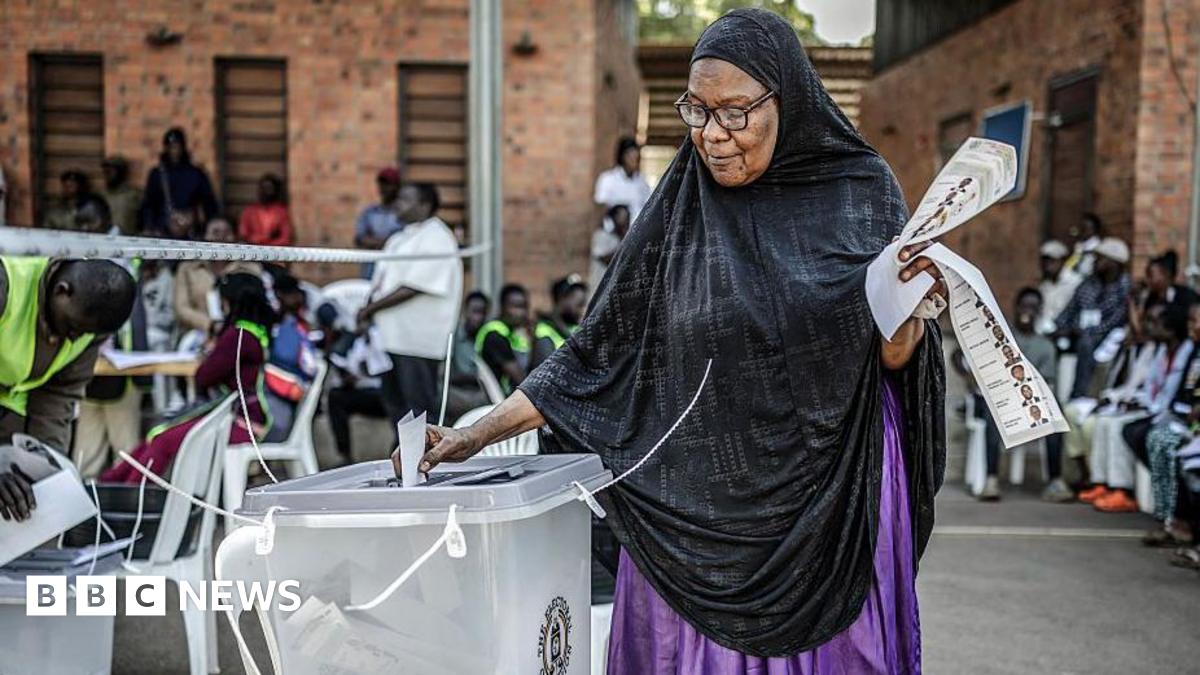
The BBC frames the election as a direct contest between continuity and change, highlighting Museveni’s long tenure alongside Bobi Wine’s appeal to voters seeking reform. The report situates the race within Uganda’s political evolution, noting how past elections have followed similar patterns of dominance by the incumbent. It also underlines the significance of voter turnout and the role of state institutions in shaping outcomes. Taken together, the analysis suggests that while the candidates are central, the surrounding political structure is equally influential.
'It's like a road closure' - Uganda's president on shutting the internet as his country votes

Sky News focuses on the government’s decision to restrict internet access during voting, quoting Museveni’s comparison to a temporary road closure. The piece explores official justifications related to security and order, while also outlining concerns raised by civil society groups about transparency and communication. By revisiting similar measures in previous elections, the report places the blackout within a broader pattern. This coverage highlights how digital controls have become a recurring feature of Uganda’s electoral landscape.
Ugandans to vote in election expected to extend Museveni’s four-decade rule

The Guardian emphasises the historical dimension, describing the vote as likely to reinforce Museveni’s long hold on power. The article traces how constitutional changes and political strategies have enabled extended leadership. At the same time, it reports on opposition efforts to challenge that dominance, particularly among younger demographics. The narrative links present events to earlier elections, reinforcing the sense of continuity that defines Uganda’s political story.
Polls open in Uganda amid crackdown, fears of violence, internet blackout

Al Jazeera’s reporting centres on the security atmosphere surrounding the vote, detailing reports of crackdowns and public anxiety about unrest. The article balances official statements with accounts from observers and residents, presenting a multifaceted picture of election day conditions. By comparing the situation to earlier voting periods, it highlights recurring tensions. This approach underscores how security concerns intersect with political competition in Uganda.
Uganda elections : Communications authority imposes an internet blackout ahead of vote

This BBC report looks closely at the regulatory decision behind the blackout, explaining the role of the communications authority. It outlines the legal framework cited by officials while also noting criticism from opposition figures and rights groups. By situating the move within Uganda’s regulatory history, the piece adds depth to the debate. The analysis shows how administrative actions can carry political weight during elections.
World News in Brief: Repression in Uganda, fighting in Syria’s Aleppo continues, Gaza and West Bank updates
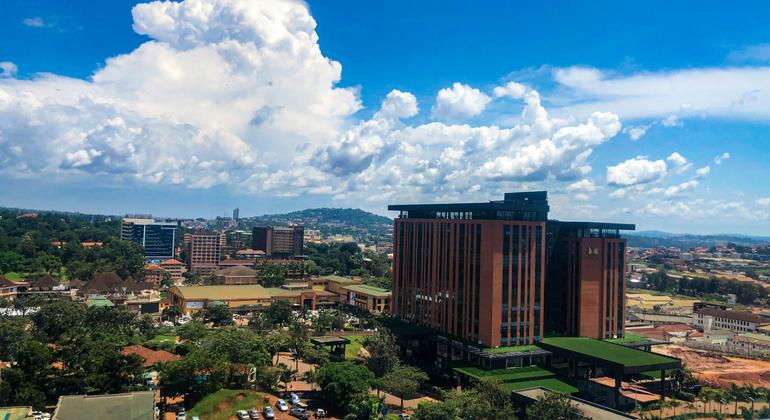
UN News places Uganda’s election environment within a broader global human rights context. The brief references concerns raised by international bodies while stopping short of direct commentary on electoral outcomes. By including Uganda alongside other global flashpoints, the article conveys how the situation is viewed through an international lens. This perspective highlights diplomatic and institutional attention without advocating specific positions.
Uganda election : Poll chief says he has been threatened over results declaration
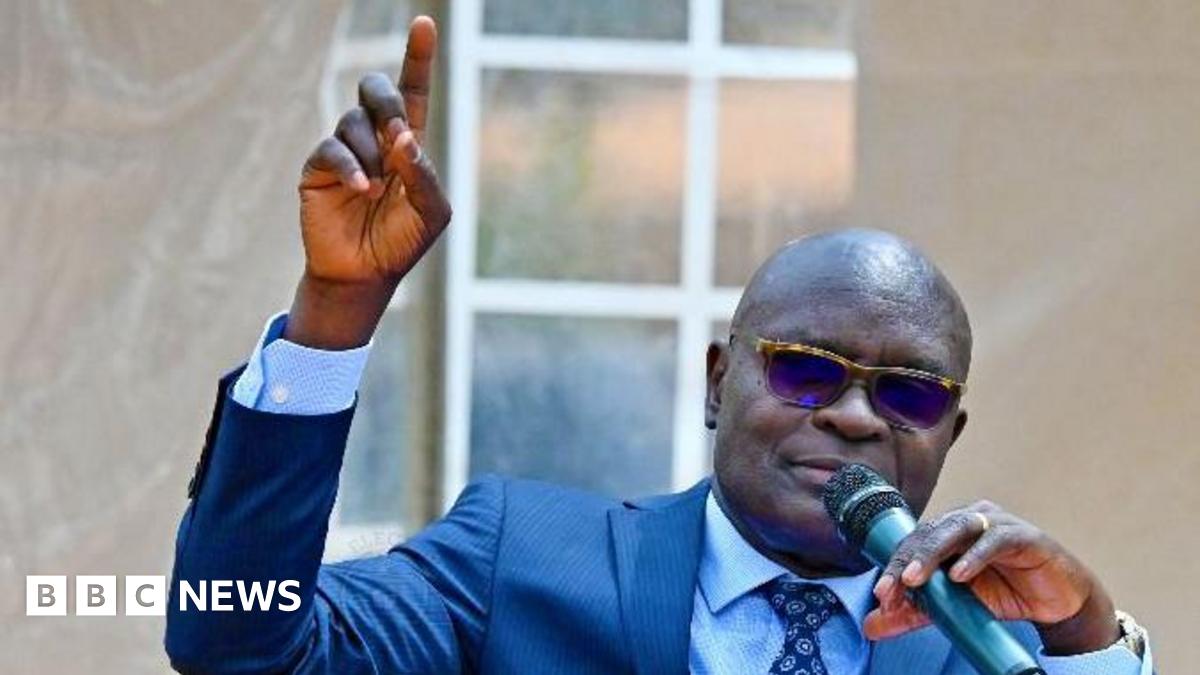
The BBC reports on statements from Uganda’s electoral commission head regarding alleged threats linked to the announcement of results. The article outlines his assertions alongside official responses, maintaining a factual tone. By recalling similar disputes in past elections, it suggests a recurring challenge around trust in electoral processes. This coverage draws attention to institutional pressures during closely watched votes.
"I Do Not Donate Votes": Uganda Election Boss Defies Threats as Polls Open
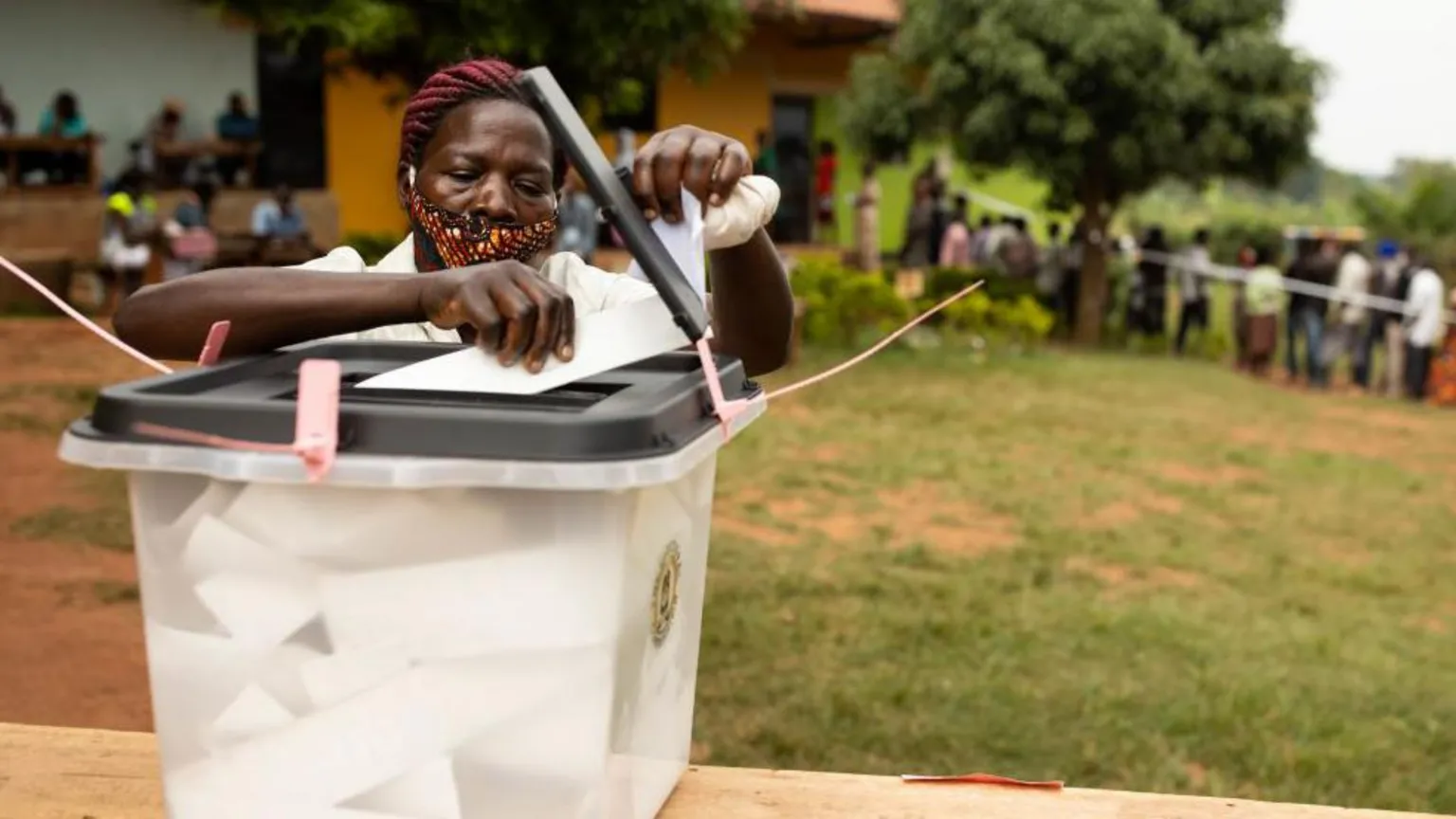
This regional report amplifies the election chief’s defiant language, focusing on personal resolve amid alleged intimidation. It provides additional colour to the institutional narrative by highlighting individual responsibility. While less detailed on procedural aspects, it reinforces the theme of pressure on electoral officials. The article complements international coverage by reflecting regional media emphasis.
Ugandan: Threats will not prevent me from doing my duty - EC boss
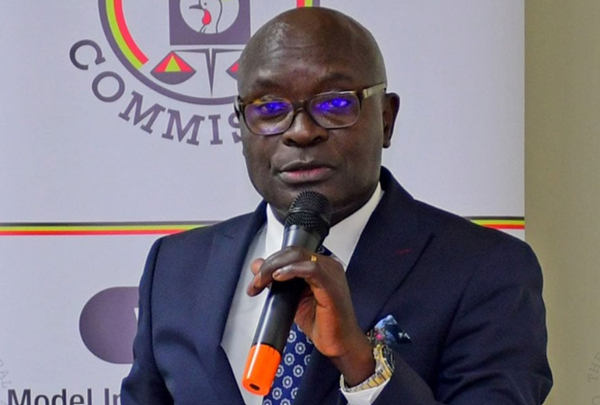
GhanaWeb echoes similar remarks from the electoral commission leadership, stressing continuity in messaging across outlets. The report situates Uganda’s experience within wider African electoral challenges, offering comparative context. By focusing on official statements, it maintains a neutral recounting of events. This perspective shows how the story resonates beyond Uganda’s borders.
Uganda’s Election Chief Stands Firm Against Threats

This analysis-driven piece frames the election chief’s stance as emblematic of institutional resilience. It reflects on the broader implications for electoral credibility, without predicting outcomes. By tying individual actions to systemic stability, the article adds a reflective layer to the news cycle. It reinforces the central narrative of pressure and response within Uganda’s electoral system.
Summary / Insights
Across outlets, a consistent picture emerges: Uganda’s election is as much about process and environment as it is about candidates. Media coverage highlights long-standing political structures, recurring security measures, and debates over information control. While perspectives vary by source, the shared emphasis on history and institutional dynamics provides readers with a layered understanding of why this vote matters.
TL;DR
Uganda’s presidential election brings renewed focus on long-term leadership, opposition challenges, internet restrictions, and the role of electoral institutions, with international media tracing these themes back through previous votes.