Why Alistair Darling’s Name Is Reappearing in UK Political Debate
Recent political commentary in the UK has brought renewed attention to former chancellor Alistair Darling, not because of new actions, but because his past role is being used as a reference point in wider debates about power, influence, and accountability. Across several opinion pieces and analyses, Darling is presented as part of a historical framework that commentators are using to interpret present-day controversies involving political figures and financial institutions. This matters now because it shapes how the public understands continuity and change in UK governance.
Main Topic Overview
Alistair Darling served as chancellor during the global financial crisis, a period that required close coordination between government and banks. Current coverage revisits that era to compare it with present concerns about political relationships, lobbying, and informal influence. Darling is not the central actor in these stories, but his tenure is used as a benchmark for how similar situations were handled in the past, and what lessons were learned or overlooked.
News Coverage
Faisal Islam: Mandelson, Darling and the conversation I can't forget
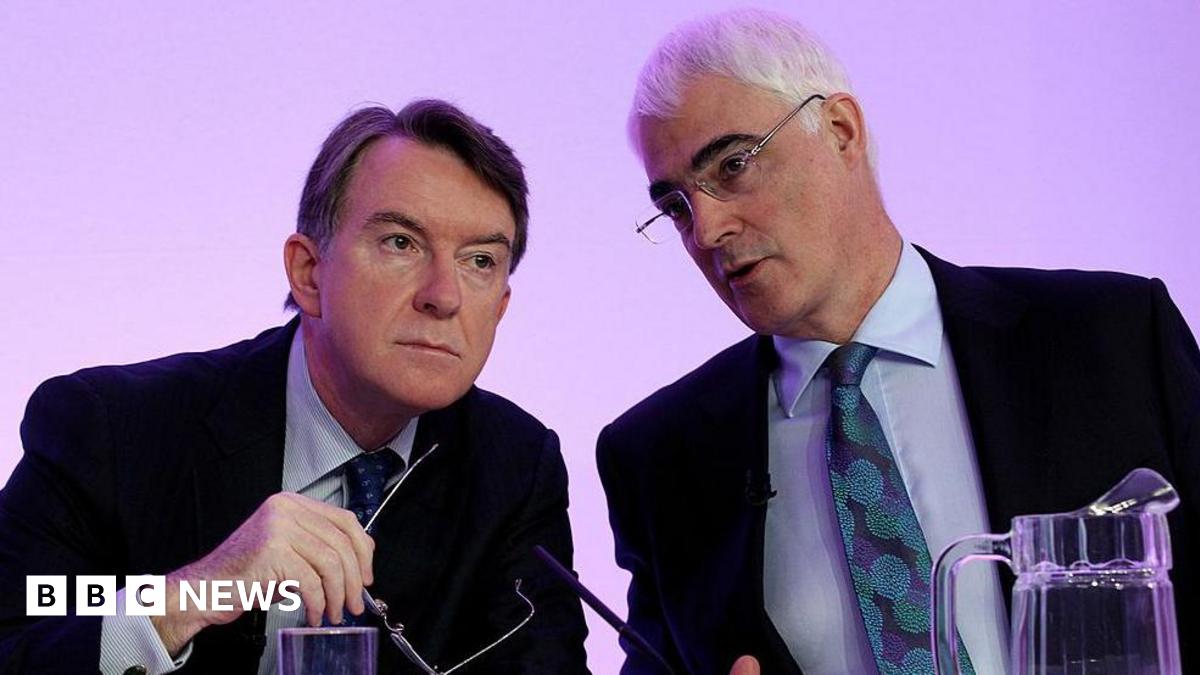
This article reflects on a past conversation involving senior political figures, using Alistair Darling as a point of comparison to illustrate how decisions were framed during moments of crisis. The focus is less on Darling himself and more on the culture of decision-making at the time. By revisiting this memory, the piece connects earlier financial governance with today’s debates about transparency and trust in political leadership.
A whiff of familiarity in Mandelson’s collusion with the banks

The Guardian column draws parallels between current allegations of closeness between politicians and banks and earlier periods of financial intervention. Alistair Darling is referenced as part of the 2008–2009 context, when extraordinary measures were justified by systemic risk. The article uses this history to question whether similar justifications apply today, highlighting how past precedents continue to shape political argument.
The Mandelson affair shows the UK has become prone to moles and grifters
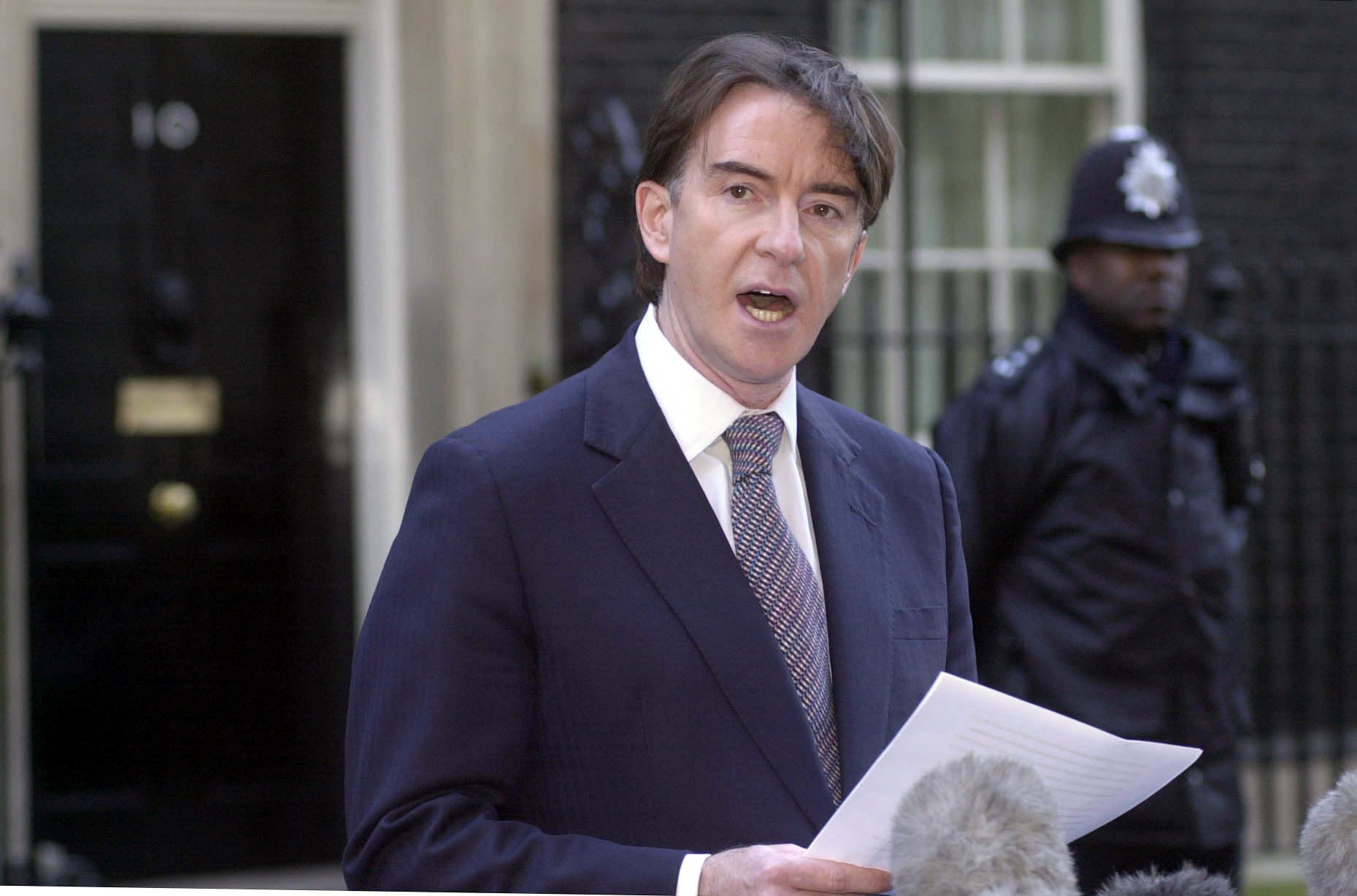
This opinion piece argues that repeated political scandals indicate structural weaknesses in the UK system. Alistair Darling appears as a historical contrast, representing an earlier generation of ministers operating under intense scrutiny during the financial crisis. The comparison is used to suggest that informal influence and blurred boundaries have become more visible, prompting renewed public concern.
Peter Mandelson betrayed his country

The Spectator takes a strongly critical stance, framing recent revelations as evidence of long-term decline in political standards. Alistair Darling is mentioned indirectly as part of the Labour-era backdrop, when state intervention in banking was openly debated in Parliament. The article contrasts that period with what it portrays as today’s more opaque environment, reinforcing the trend of looking backward to interpret current events.
Summary / Insights
Across outlets with differing viewpoints, Alistair Darling is being used as a historical reference rather than a contemporary actor. The shared theme is comparison: how past financial governance during the crisis years is invoked to assess present concerns about influence, accountability, and political culture. The trend suggests that unresolved questions from earlier crises continue to inform how the public and media interpret today’s controversies.