
Tesla’s Bold Move: From EV Leader to Robot-Army Architect with Elon Musk’s $1 Trillion Pay Package
In the U.S. business and auto sectors, Tesla’s latest announcement commands attention: Elon Musk has secured shareholder approval for a compensation package that could reach **$1 trillion**, tied to sweeping targets including humanoid robots, robotaxis and massive growth in EVs. This trend-digest pulls together major news headlines, analyzes the narrative from every angle and explains how this move could reshape the company — and the broader auto-robotics space.
Main Topic Overview
Tesla is shifting from being primarily an electric-vehicle maker to positioning itself as a robotics and AI platform company. Musk’s new incentive plan isn’t just about cars — it’s about manufacturing 1 million humanoid robots (the Optimus line), deploying robotaxi fleets, selling millions of self-driving-software subscriptions and lifting Tesla’s market cap to roughly eight times current levels. Behind the headline number lies a strategic bet: that Tesla will lead not just in transport, but in autonomous labour. The magnitude raises questions around governance, shareholder alignment and how realistic the operational goals are.
News Coverage
Musk’s $1 trillion pay, a price cut for obesity drugs, Target’s in-store woes and more in Morning Squawk

This CNBC summary places the Tesla story in the broader market context—Musk’s headline-grabbing compensation gets coverage alongside other major U.S. corporate moves. It flags how investors and the media are already treating the package as an anchoring event in 2025 finance. While the story mentions the robotics angle only in passing, it underlines that Tesla’s compensation issue is no longer niche: it’s market-wide. This signals that Tesla’s trajectory isn’t just a tech-narrative but a headline in business strategy and investor sentiment.
Opinion | Elon Musk’s trillion-dollar payday

The opinion piece critiques the ethics and optics of a compensation scheme of this size. It argues that even if Tesla hits its ambitious targets, the implications for income inequality, board governance and shareholder value are significant. At the same time, it acknowledges the view that Musk remains central to Tesla’s future — especially given its pivot toward robotics and autonomy. This dual framing highlights the tension: visionary ambition vs. governance risk, a core theme for U.S. readers and investors.
Big Tesla investor will vote against Musk’s massive pay package
AP News covers the investor push-back side: major shareholders such as sovereign funds and proxy firms signal resistance, citing dilution and “key person risk.” This shows the narrative isn’t just about engineering and innovation—it’s about corporate governance, shareholder rights and the future of executive pay in U.S. markets. For Tesla, the vote reflects underlying tension between supporters of Musk’s ambition and stakeholders wary of concentrated power.
Why human-shaped robots loom large in Musk’s Tesla plans
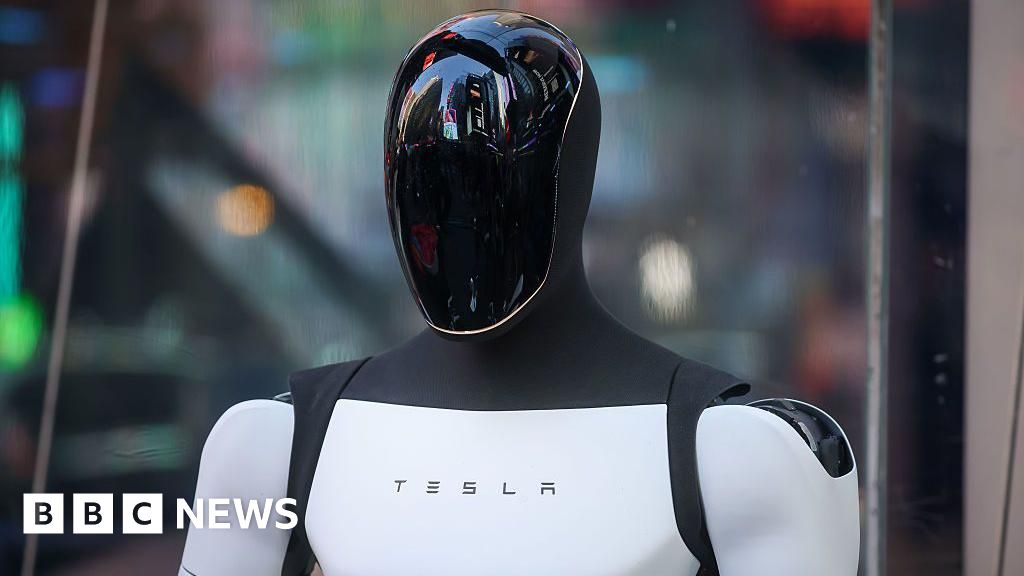
The BBC article digs into the robotics side of Tesla’s pivot, with detailed explanations of the Optimus project and how Tesla frames humanoid robots as integral to its future. The piece highlights that Musk expects robots to account for up to ~80% of Tesla’s value in the long run. This coverage flips the narrative: Tesla is no longer just electric cars—it’s major tech-roadmap of robotics. For U.S. business watchers, that repositions Tesla into a new sector entirely.
Elon Musk says Optimus will 'eliminate poverty' in speech after his $1 trillion pay package was approved
Business Insider captures Musk’s rhetorical framing—Optimus robots as a tool not only for business but for broader social purpose (“eliminate poverty”). This narrative shift matters: it expands Tesla’s message from product to mission. The article presents commentary on how that rhetoric may influence investor sentiment and public perception in the U.S. Furthermore, it raises questions about realistic timelines and the risk of over-promise.
Tesla’s Master Plan 4 still lacks specifics ahead of $1T Musk pay vote

TechCrunch takes a deeper dive into Tesla’s strategic blueprint (“Master Plan 4”) and notes that while the ambition is clear, operational specifics are thin. The article connects the timing of the pay-vote with Tesla’s need to articulate how it will deliver on robotics, subscriptions and autonomy. It raises the risk that if execution lags, investor confidence could erode. For the U.S. auto/business audience, it reads as a caution: ambition without roadmap is a governance red-flag.
Tesla Optimus’ pilot line will already have an incredible annual output
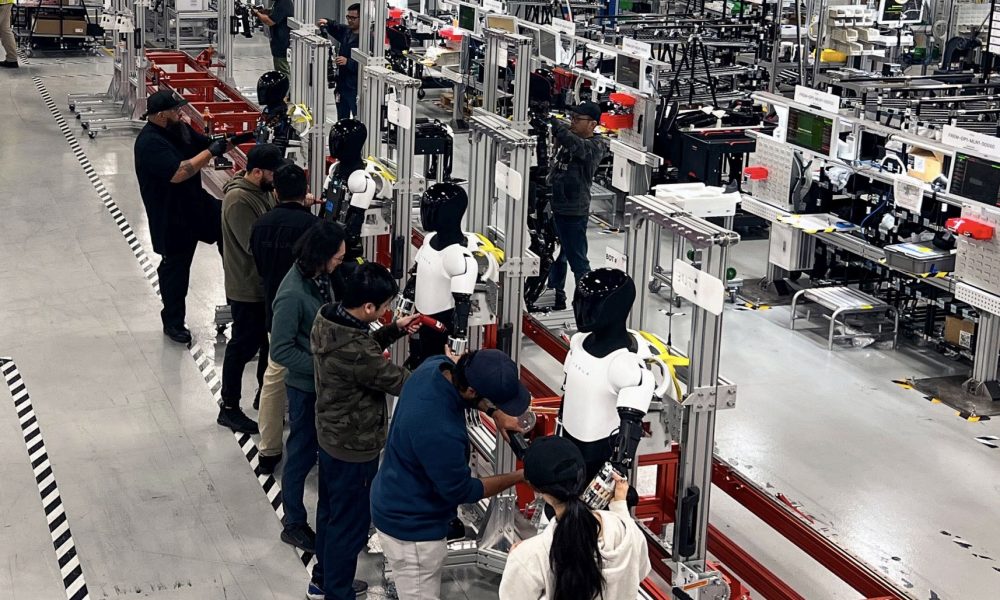
Teslarati covers early manufacturing signs for the Optimus robot, noting pilot-line output metrics and production ambitions for 2026 onward. This article ties the compensation package not just to strategy but to emerging physical infrastructure—if Optimus production ramps, Tesla’s ambition may be more than talk. For U.S. analysts, this suggests Tesla is banking on first-mover advantage in robotics beyond automotive, a narrative shift with implications for supply chain, labour markets and industrial tech.
Summary / Insights
Themes: Monumental pay packages, robotics pivot, and investor governance risk are the top threads. Tesla’s vote shows U.S. shareholders placing big bets on future tech rather than just car sales. Angles: For investors, the big question is execution – can Tesla deliver on the robot-army vision and hit vehicle, subscription and market-cap targets? For governance, the concern is concentration of power and dilution risk. Likely outcomes: If Tesla succeeds, the company may transcend auto and become a robotics/AI leader; if not, the backlash could be strong – both in stock performance and regulatory/private investor scrutiny.
TL;DR
Tesla approved a $1 trillion pay package for Elon Musk, making robots & autonomy central to its future. While supporters see visionary ambition, critics warn of governance risk and unmet execution. U.S. auto + tech watchers should keep an eye on Optimus rollout and subscription growth.
Internal link: none yet