Crypto Trading Edges Closer to the Mainstream as Regulators Shift Course
Cryptocurrency trading has spent more than a decade moving between innovation and restriction, enthusiasm and caution. Over the past week, that balance appears to be shifting again. A cluster of regulatory moves in Russia and Europe is reshaping how governments and major financial institutions approach digital assets, with implications that extend well beyond their borders and into the global crypto trading landscape.
Main Topic Overview
The current trend centers on a gradual normalization of cryptocurrency trading through formal regulation. Rather than banning or sidelining crypto markets, policymakers are increasingly focused on integration: allowing trading, defining who can participate, and setting guardrails intended to limit fraud and systemic risk. This approach reflects lessons learned from earlier cycles of rapid adoption followed by high-profile collapses and scandals.
In the United States, crypto trading already operates within a patchwork of federal and state oversight. Developments abroad, especially in large economies and regulated banking systems, often influence how U.S. regulators, exchanges, and institutional investors think about competitiveness, risk, and long-term adoption.
News Coverage
Russian State Duma Prepares Bill to Integrate Cryptocurrencies into Mainstream Use

The proposed bill signals a notable shift in Russia’s stance toward cryptocurrencies, moving from cautious experimentation toward structured integration. Lawmakers are reportedly exploring how crypto assets could be used within regulated frameworks rather than remaining informal or offshore instruments. The discussion reflects broader economic considerations, including payment efficiency and financial sovereignty. At the same time, officials emphasize that integration would come with oversight mechanisms designed to limit misuse.
Russia Opens Digital Asset Market Access to Retail Investors

This report highlights a parallel track to legislative reform: expanding access. Allowing retail investors into regulated digital asset markets suggests an effort to bring everyday participants into transparent venues rather than leaving them exposed to unregulated platforms. Historically, retail access has been a flashpoint in crypto policy debates due to volatility risks. The move suggests Russian authorities are prioritizing supervision over exclusion.
Russia Needs Crypto Regulation to Fight Fraud, Officials Say

Officials quoted in this coverage frame regulation primarily as a consumer-protection tool. Rather than focusing on innovation narratives, the emphasis is on fraud prevention, transparency, and accountability. This argument echoes earlier regulatory waves in traditional finance, where oversight expanded following periods of rapid, loosely supervised growth. It reinforces the idea that crypto trading is increasingly being treated as a financial market rather than a technological experiment.
Russia Prepares Bill to Integrate Crypto into Daily Payments

This angle extends beyond trading into everyday use, suggesting that policymakers are exploring crypto’s role in payments. While details remain limited, the idea of regulated daily-use crypto raises questions about infrastructure, consumer education, and interoperability with existing systems. Similar discussions have surfaced in other jurisdictions before, often progressing slowly due to technical and regulatory complexity.
Russia Finalizes Draft Bill to Legalize Crypto Trading
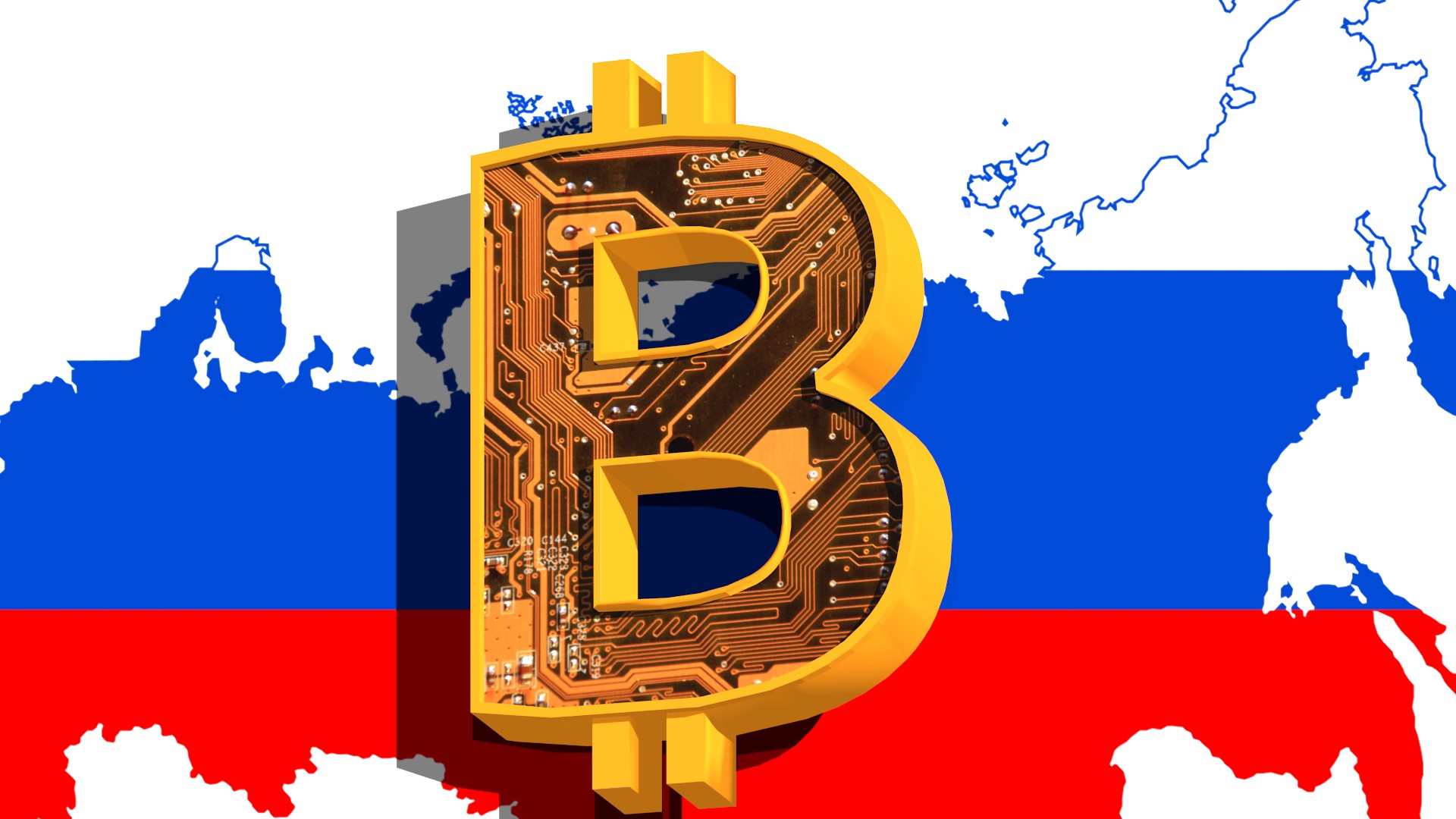
The finalization of a draft bill marks a procedural milestone, indicating that debates are moving from concept to implementation. Legalization does not imply deregulation; instead, it typically defines permissible activities and enforcement authority. For global crypto traders, such clarity can reduce uncertainty, even if it introduces new compliance obligations.
DZ Bank Wins MiCA Approval to Roll Out Retail Crypto Trading in Germany
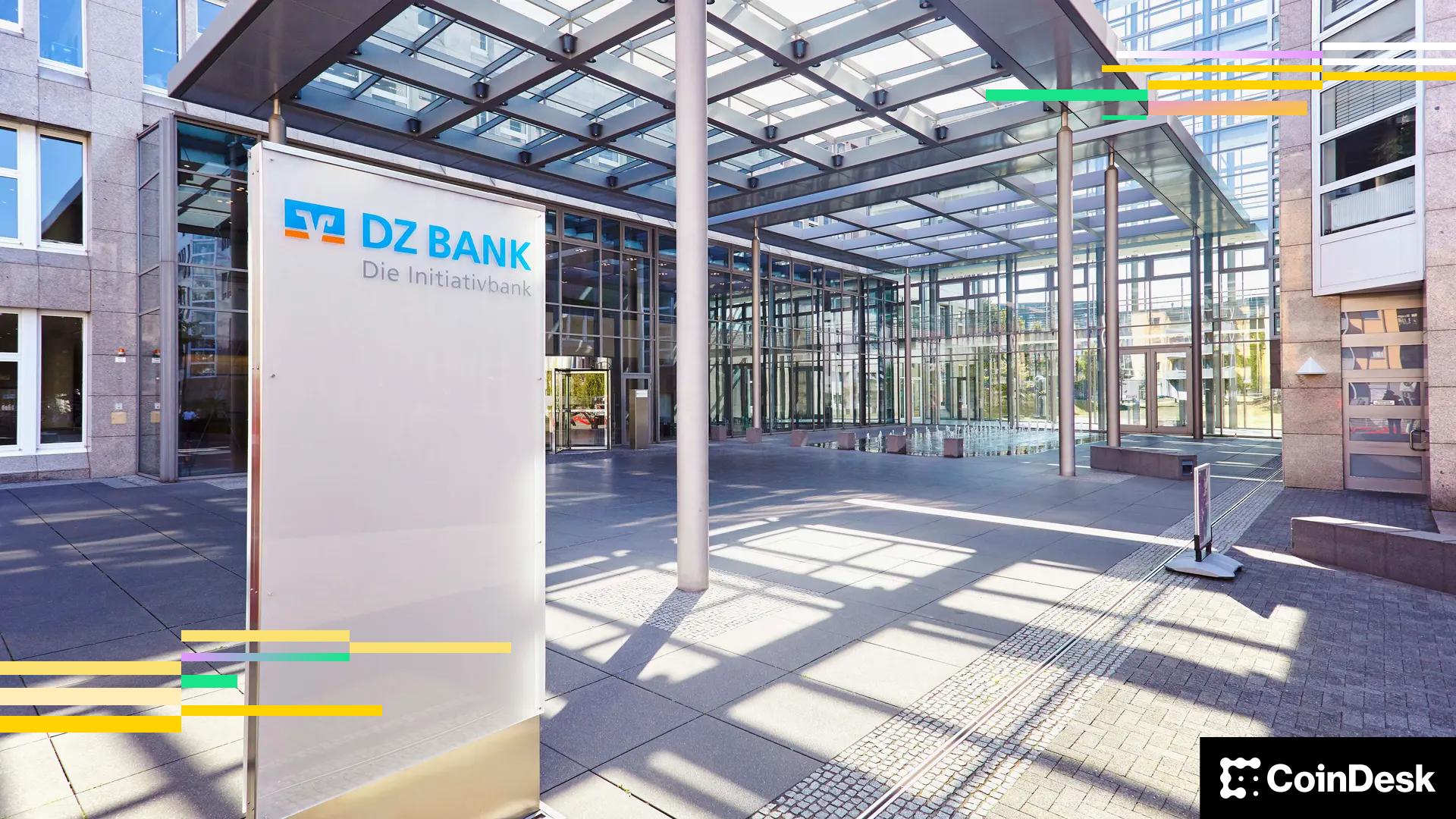
This development shifts the focus to Europe, where MiCA (Markets in Crypto-Assets) regulation is beginning to shape real-world offerings. A major bank entering retail crypto trading under a unified regulatory framework suggests a normalization process similar to earlier adoption of online banking and ETFs. For U.S. observers, it highlights how regulatory clarity can accelerate institutional participation.
Summary / Insights
Taken together, these stories point to a broader recalibration of cryptocurrency trading. Governments and banks are not abandoning caution, but they are increasingly choosing regulation over restriction. The emphasis on fraud prevention, retail protection, and institutional participation suggests a maturing phase for the market.
For U.S. readers, the significance lies less in the specifics of Russian or German law and more in the direction of travel. As other major economies integrate crypto trading into formal financial systems, pressure grows for harmonization, competitiveness, and clarity at home. Whether this leads to broader adoption or tighter controls will depend on how effectively regulation balances innovation with risk.
TL;DR
Crypto trading is moving closer to the financial mainstream as Russia advances legalization and Europe brings major banks into regulated markets. The common thread is oversight rather than exclusion, signaling a new phase for global crypto markets.