Fast Food at a Crossroads: Bankruptcies, AI Drive-Thrus, and a Changing Industry
The U.S. fast food industry is moving through a moment of sharp contrast. On one side, major franchise operators are struggling with debt, rising costs, and legal disputes that have pushed some into bankruptcy. On the other, the largest global brands are accelerating investments in artificial intelligence and automation, betting that technology can redefine speed, efficiency, and customer experience. Together, these developments reveal an industry under pressure—and in transition.
Main Topic Overview
Fast food has long been defined by scale, predictability, and thin margins. Over the past few years, those margins have been tested by inflation, higher labor costs, and shifts in consumer behavior. The current wave of news shows two parallel responses: financial restructuring among heavily leveraged franchisees, and aggressive technological experimentation by corporate giants like McDonald’s. While these stories appear separate, they point to the same underlying question—what does the future fast food model look like in the United States?
News Coverage
A big Popeyes franchisee files for bankruptcy

The bankruptcy filing of a major Popeyes franchise operator highlights the financial strain facing multi-unit owners. According to reporting, the operator struggled under mounting debt obligations while contending with higher operating expenses and softer post-pandemic demand. Franchise-heavy growth, once seen as a low-risk expansion strategy, is now exposing vulnerabilities when sales projections fall short. The case reflects broader concerns about how leveraged franchise models hold up in a higher-interest-rate environment.
Huge chicken chain franchisee suddenly files for bankruptcy

Popular coverage of the same bankruptcy emphasizes the suddenness of the filing and its potential impact on local restaurants and employees. While tabloids focus on closures and consumer reaction, the underlying story remains financial stress at the franchise level. The attention underscores how fast food bankruptcies resonate beyond investors, affecting workers, communities, and customer perceptions of once-stable brands.
Florida Popeyes Franchisee Seeks Bankruptcy After BMO Bank Row

Legal reporting adds detail to the Popeyes case, outlining disputes with lenders and the role of financing structures in the collapse. Court filings suggest tensions between franchise operators and banks as cash flow tightened. This perspective shows bankruptcy not as an isolated failure, but as the result of complex financial relationships that can unravel quickly when sales or refinancing options weaken.
Fast-food restaurants using new technology to reshape how customers place orders
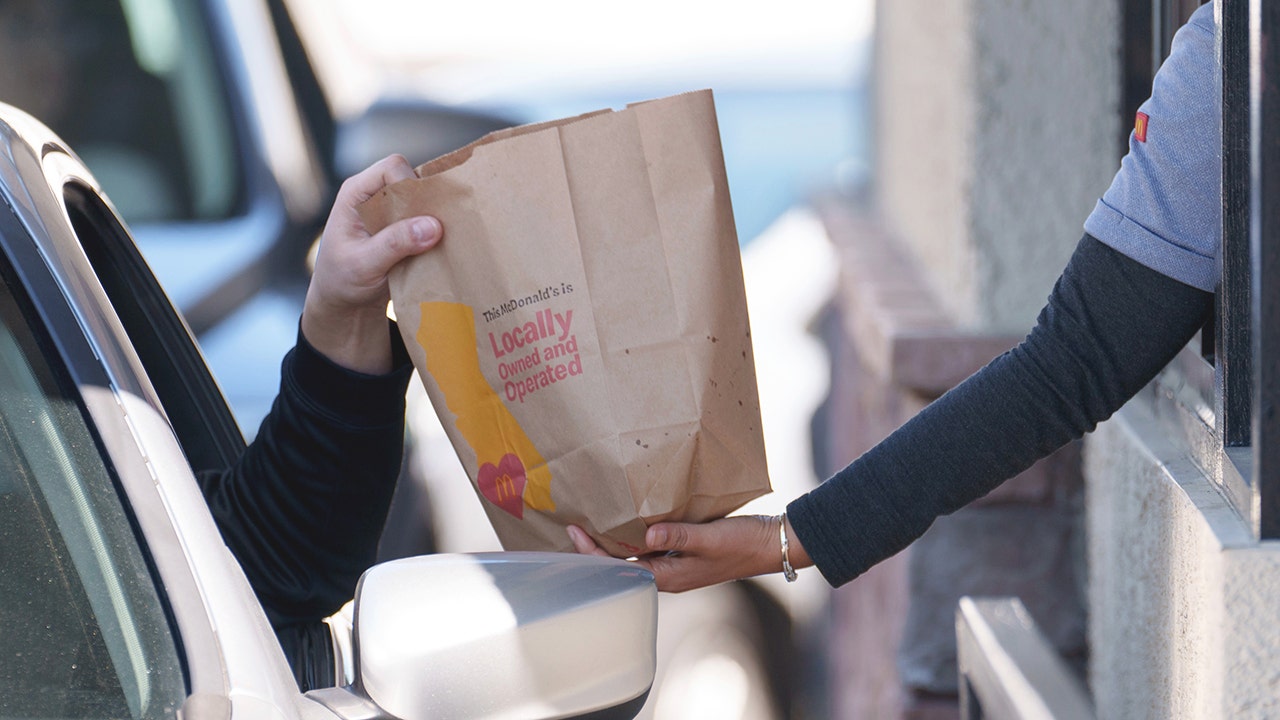
As some operators cut back, others are pushing forward with technology. This report focuses on how AI-powered kiosks, mobile apps, and voice ordering are changing the way customers interact with fast food brands. Companies argue that automation reduces errors and speeds service, while critics question accessibility and job impacts. The article positions technology as a strategic response to labor shortages and rising wage costs.
McDonald’s making major changes to services, operations with AI push

McDonald’s is presented as a bellwether for the industry, outlining plans to expand AI across drive-thrus and in-store operations. The company frames these changes as incremental improvements rather than a wholesale replacement of workers. Historically, McDonald’s has tested automation in waves, and this latest push builds on earlier experiments that saw mixed but promising results.
Big changes coming to McDonald’s drive-thrus

This regional report drills into how redesigned drive-thru lanes and AI order-taking could affect traffic flow and customer wait times. For suburban and rural markets, where drive-thru sales dominate, these operational tweaks may be especially significant. The piece situates McDonald’s strategy within a broader race among chains to own the fastest, most reliable drive-thru experience.
AI Drive-Thru Revolution: Fast Food’s Bold Bet on Voice Ordering
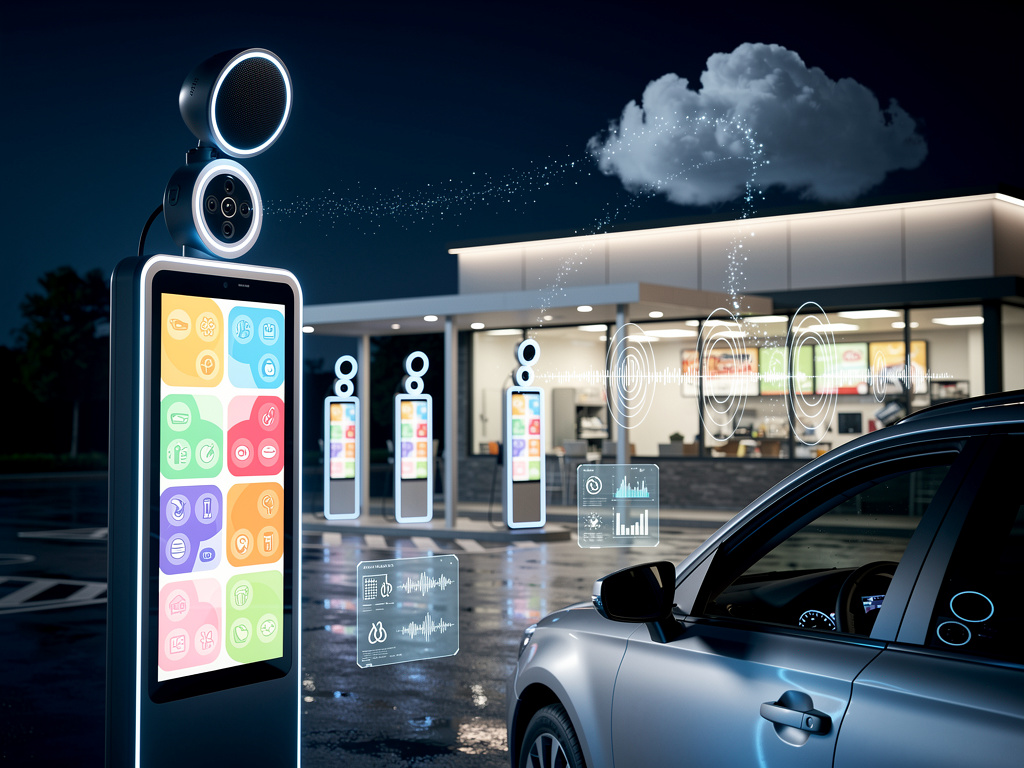
This analysis frames voice AI as a potential turning point for fast food efficiency. Supporters see long-term cost savings and scalability, while skeptics point to accuracy issues and customer frustration. By placing the technology within the history of automation attempts, the article suggests that success will depend less on novelty and more on consistent execution.
What McDonald's (MCD)'s AI-Powered Drive-Thrus and Nostalgia Menus Mean For Shareholders

From an investor perspective, AI adoption is linked to long-term margin protection rather than short-term gains. The article balances enthusiasm for automation with caution about execution risk and capital spending. It also notes how menu strategy and brand nostalgia are being used alongside technology to maintain customer loyalty.
McDonald’s is about to make big changes to its drive-thru lanes

Additional local coverage reinforces how widespread the operational changes are expected to be. Rather than pilot programs, these updates are framed as part of a coordinated national strategy. The repetition across regions suggests confidence from corporate leadership, even as franchisees elsewhere face financial headwinds.
How AI-Powered Drive Thru Kiosks Like McDonald’s Are Changing Customer Expectations
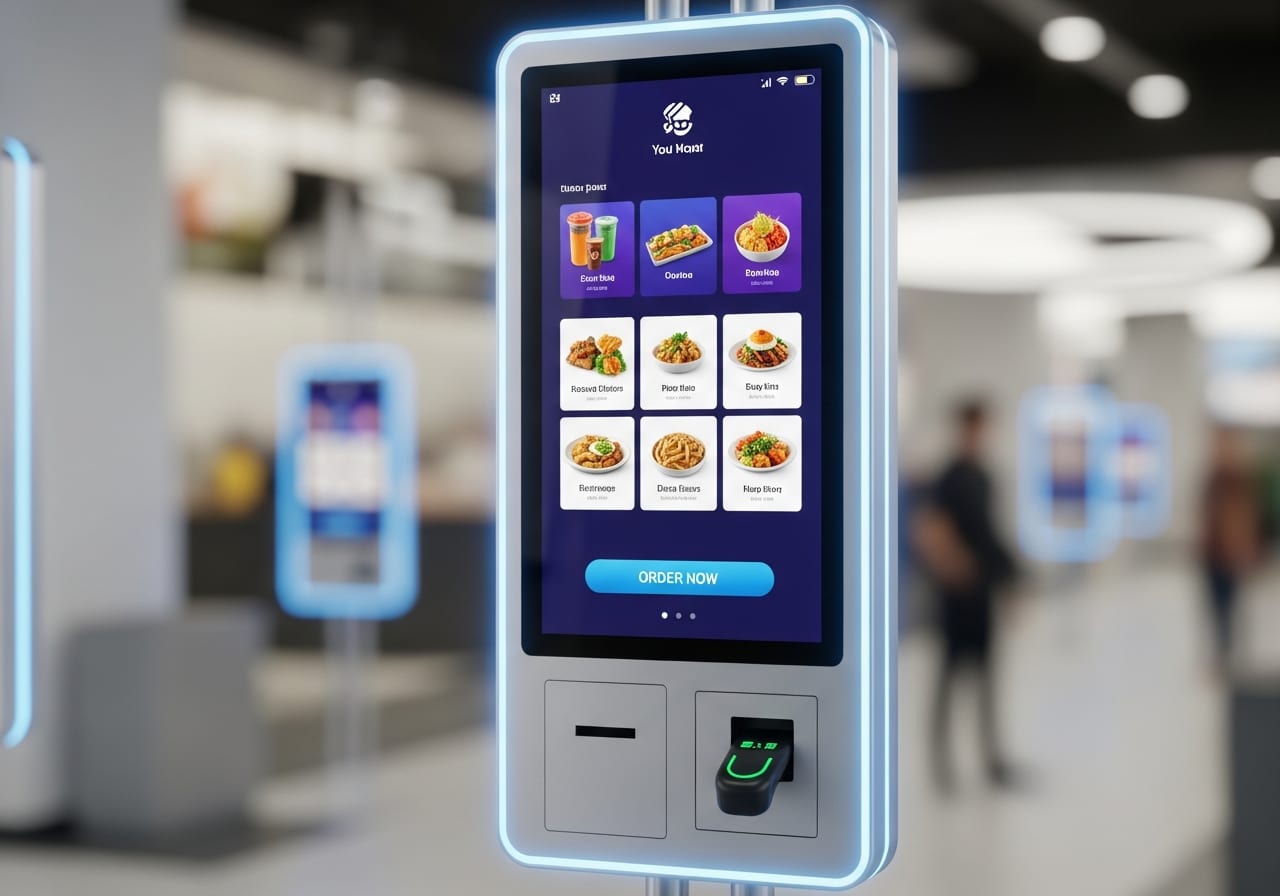
This piece focuses on the consumer side, arguing that repeated exposure to automation is reshaping expectations around speed and personalization. As customers adapt, tolerance for delays or errors may decline. The article connects these shifts to broader digital habits formed through mobile apps and self-service technology in other industries.
Summary / Insights
Taken together, these stories show a fast food sector balancing financial strain with technological ambition. Franchise bankruptcies reveal the risks of debt-heavy expansion in a changing cost environment, while AI-driven initiatives signal confidence from corporate leaders in automation as a long-term solution. The tension between these trends may shape how chains structure ownership, operations, and customer experience in the years ahead.
TL;DR
Some fast food franchisees are filing for bankruptcy under financial pressure, while major brands like McDonald’s push ahead with AI-powered drive-thrus and automation—highlighting an industry simultaneously under stress and reinventing itself.