
Trump's Credit Card Interest Rate Cap Sparks Financial Debate
The recent proposal by former President Trump to cap credit card interest rates has stirred significant discussion across the financial sector in the United States. This trend digest explores the implications of this proposal, analyzing reactions from major banks, financial experts, and the broader economic landscape.
Trump's Proposal to Cap Credit Card Interest Rates
Former President Trump's announcement of a proposed cap on credit card interest rates has been met with resistance from banks. The suggested cap aims to make credit more affordable for consumers, but financial institutions worry it could reduce their profit margins and lead to tighter lending standards. The proposal is seen as part of a broader strategy to address affordability issues in the economy, especially for those reliant on credit cards for daily expenses.
Impact on Major Banks and Financial Markets

Following the announcement, shares of major banks like Capital One saw a decline, reflecting investor anxiety over potential regulatory impacts. The market's response underscores concerns about decreased revenue from interest payments, a significant income source for these institutions. Analysts predict that if implemented, banks might pivot strategies, potentially increasing fees elsewhere to compensate for lost interest income.
SoFi's Perspective: A Shift Toward Personal Loans
The CEO of SoFi, a prominent personal finance company, commented that the proposed cap could drive consumers towards personal loans as an alternative to credit cards. This shift could benefit companies like SoFi, which offer competitive loan products. The CEO emphasized that while credit card caps might pose challenges for traditional banks, fintech companies may see this as an opportunity to expand their customer base and product offerings.
Federal Reserve's Response and Broader Economic Implications
In response to the proposed interest rate cap, Federal Reserve Chair Jerome Powell issued a statement highlighting the potential for unintended economic consequences. The statement cautioned that such regulatory measures could lead to reduced credit availability, impacting consumer spending and overall economic growth. The Federal Reserve's analysis suggests that while well-intentioned, the cap could have complex ramifications for both consumers and the financial sector.
Political Reactions and Future Outlook
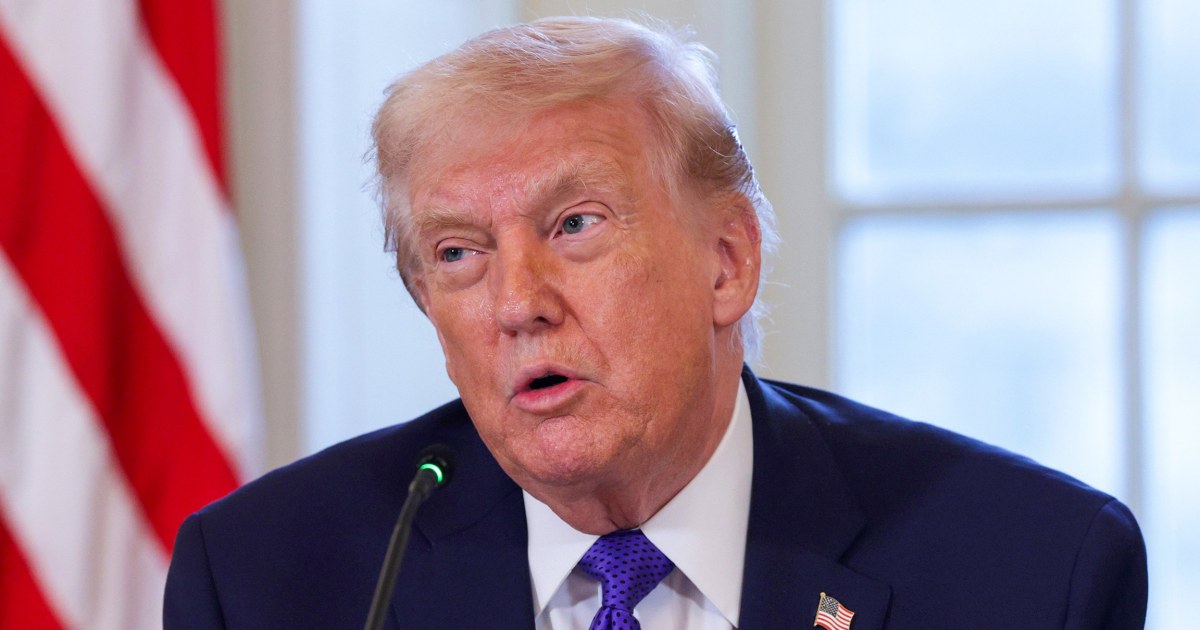
The proposal has sparked political debate, with critics arguing that it could lead to increased government intervention in the financial markets. Trump, however, denies any direct involvement in related DOJ investigations into Federal Reserve actions, suggesting that his focus remains on consumer affordability. Political analysts predict that this issue will continue to be contentious, with potential impacts on upcoming election campaigns and financial regulations.
Summary / Insights
The proposal by Trump to cap credit card interest rates has prompted a wide range of reactions, from financial institutions re-evaluating their business models to fintech companies seeing new opportunities. The Federal Reserve has expressed concerns about potential economic impacts, while political discussions suggest this will remain a hot topic in the lead-up to future elections. The overall narrative reflects a complex interplay between regulatory intentions, market realities, and political maneuvering.