Unprecedented California Heat Wave Trend Summary: Historic March Temperatures Forecast for Southwest
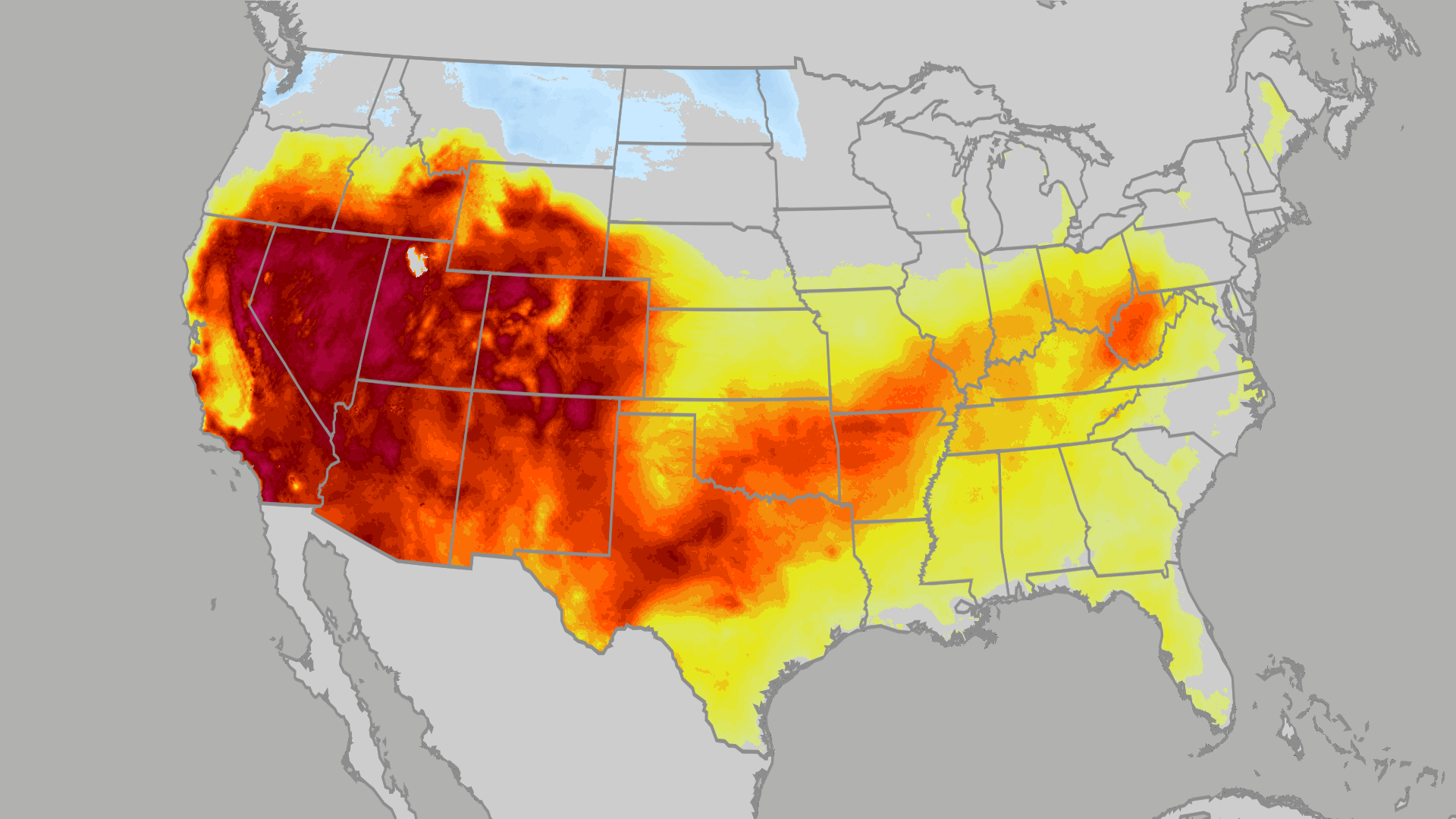
An extreme early-season heat wave is currently scorching California and several Western states, bringing summer-like conditions to the region in mid-March 2026. National weather agencies have issued urgent heat watches as temperatures are expected to climb 15 to 20 degrees above seasonal norms. This historic weather event is impacting millions of residents from Los Angeles to Phoenix, creating significant public health and fire safety concerns.

TL;DR
- Historic heat wave affecting California, Arizona, and Nevada starting March 12, 2026.
- Temperatures in Southern California and the Southwest are forecast to reach near 95°F to 100°F.
- Excessive heat watches and warnings have been activated for major metropolitan areas.
- The event marks one of the earliest high-intensity heat waves in recorded history for the region.
What Happened
A powerful high-pressure ridge has stalled over the Southwestern United States, initiating a dangerous spike in temperatures across California, Arizona, and Nevada. Beginning on March 11, 2026, mercury levels began rising rapidly, with inland valleys and desert regions seeing the most significant increases. Los Angeles and San Diego counties have entered a state of high alert as the National Weather Service (NWS) monitors potential record-breaking highs that could surpass century-old milestones.
The heat is not limited to the daytime; overnight lows are remaining uncharacteristically warm, preventing natural cooling for residents and infrastructure. In Los Angeles, the combination of dry winds and high heat has prompted officials to increase staffing for fire departments, as the vegetation is drying out much earlier than usual. Residents are encouraged to monitor the official National Weather Service portal for real-time heat alerts and safety instructions.

Key Developments
Weather stations in San Diego County reported temperatures hitting 90°F by midday on Thursday, with forecasts suggesting this level could be maintained deep into next week. Meteorologists have confirmed that this is an unprecedented mid-March heat event, with many locations seeing temperatures usually reserved for July or August. In some parts of the Coachella Valley, temperatures are expected to peak near 100°F, a mark rarely reached this early in the calendar year.
This early-season heat is particularly dangerous because the human body has not yet had time to acclimate to summer temperatures.
Power grid operators are monitoring the situation closely as the demand for air conditioning rises. While the grid is currently stable, officials are asking residents to be mindful of energy usage during peak hours to prevent local outages. Cooling centers have been opened in several municipalities, including San Bernardino and Riverside, to assist vulnerable populations.
Why This Matters
The primary concern regarding this heat wave is the early onset of fire season risks. The extreme heat is rapidly depleting moisture from local brush and forests, creating fuel for potential wildfires months ahead of the typical peak season. Additionally, the lack of acclimatization among the public increases the risk of heat-related illnesses such as heat exhaustion and heatstroke, as many residents are caught off guard by the sudden shift from mild spring weather.
What Happens Next
The heat wave is expected to last through the middle of next week, with the most intense temperatures occurring between March 14 and March 18. Forecasters are looking for a potential cool-down starting next Thursday, though temperatures are likely to remain above average for the remainder of the month. Authorities will continue to monitor fire risk levels, and residents should prepare for potential Red Flag Warnings if wind conditions intensify alongside the heat.
Key Terms & Concepts
- Heat Watch
- An alert issued when conditions are favorable for an excessive heat event in the next 24 to 72 hours.
- High-Pressure Ridge
- An elongated area of relatively high atmospheric pressure that often brings fair weather and warm temperatures, sometimes trapping heat near the surface.
- Acclimatization
- The process by which an organism adjusts to a change in its environment, such as becoming used to higher temperatures over several weeks.
Frequently Asked Questions
What states are affected by the March 2026 heat wave?
The primary states affected are California, Arizona, and Nevada, with the most extreme temperatures concentrated in Southern California and the desert Southwest reaching up to 100°F.
How long is this heat wave expected to last?
Current forecasts indicate the record-setting heat will persist through mid-next week, with peak intensity occurring through March 18, 2026.
Why is early heat more dangerous than summer heat?
Early-season heat is dangerous because residents have not yet acclimated to high temperatures, and the sudden shift can lead to higher rates of heat exhaustion before people implement summer safety habits.
Is there a wildfire risk during this California heat wave?
Yes, officials in Los Angeles and surrounding areas are concerned that the heat is drying out vegetation, potentially leading to an accelerated start to the fire season.
What should residents do to stay safe?
Residents should stay hydrated, avoid outdoor activities during the hottest part of the day, and check on elderly neighbors. Many cities have opened cooling centers for those without air conditioning.