Intense River Flooding in Washington State: A Climate Wake-Up Call
Recently, Washington State has faced severe river flooding, raising alarms about the impacts of climate change on local communities. This trend digest explores the unfolding situation, examining the challenges and responses from authorities and residents, and offering a glimpse into what the future might hold as climate patterns continue to evolve.
Main Topic Overview
Washington State is experiencing significant river flooding, particularly affecting areas like Burlington and Snohomish County. The flooding is a result of intense atmospheric rivers, which have brought unprecedented rainfall to the region. This has led to emergency declarations and raised questions about infrastructure resilience and climate adaptation strategies.
Northwest floods offer sneak peek of hotter climate's toll

This article highlights how the recent floods in the Northwest might be a preview of the challenges posed by a warming climate. The intense rainfall and subsequent flooding are linked to climate change, with scientists warning that such events could become more frequent. The article discusses the potential long-term impacts on the region's infrastructure and ecosystems, urging immediate action to mitigate future risks.
Floodwaters recede in parts of Snohomish County as cleanup efforts begin

As floodwaters begin to recede in Snohomish County, residents are starting the arduous task of cleanup. This piece details the immediate aftermath of the floods, including the damage to homes and businesses. Local authorities are coordinating relief efforts, but the extent of the destruction is significant, underscoring the need for robust disaster preparedness and community resilience planning in the face of such natural disasters.
Skagit River dike holds, but the worst is yet to come

The Skagit River's dike is holding strong for now, but future forecasts suggest further challenges. This report focuses on the precarious state of the region's flood defenses and the potential for more severe weather events. The local government is on high alert, and residents are advised to stay prepared as the situation could deteriorate with additional incoming storms.
In photos: Flooding in Western Washington state forces thousands to evacuate
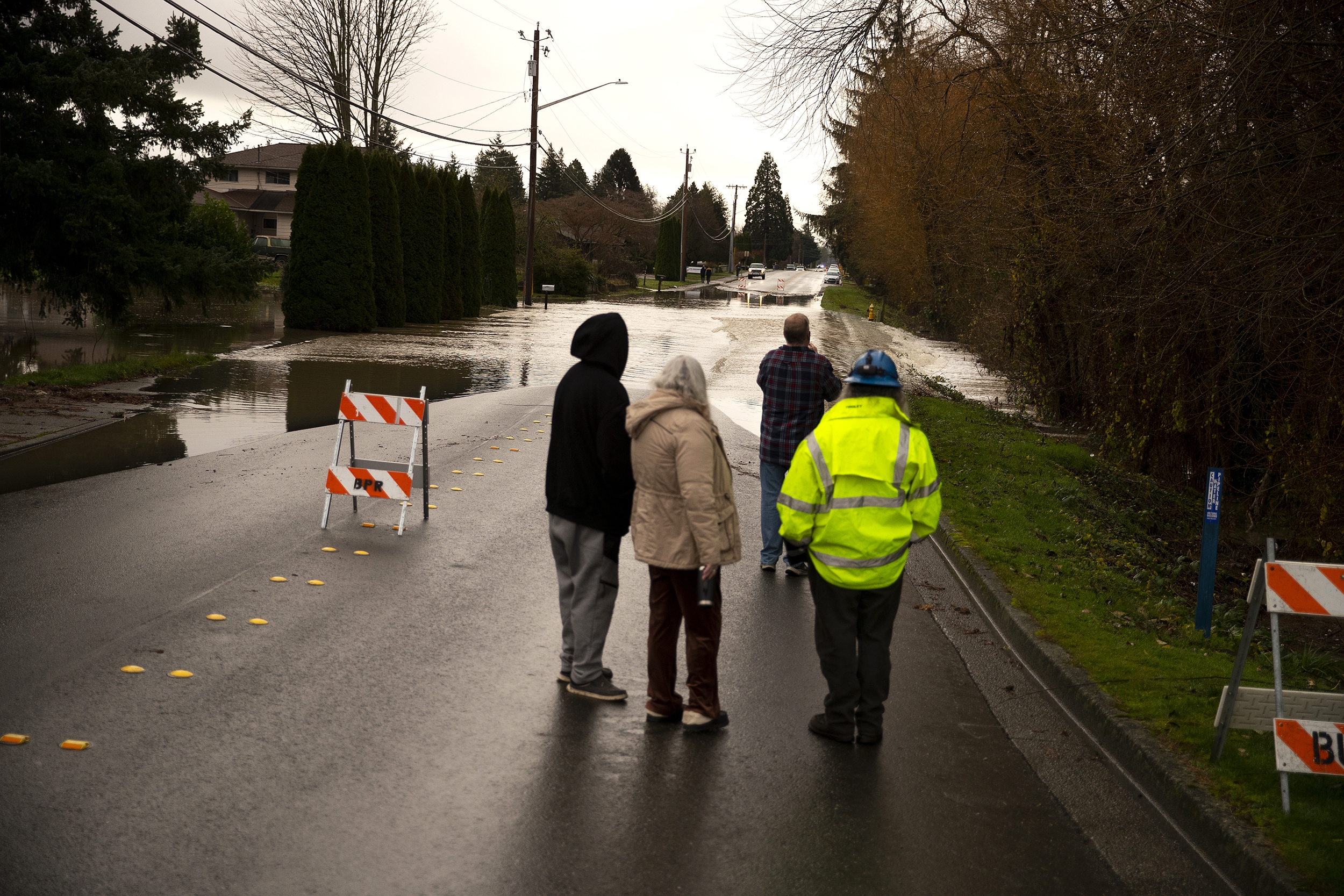
A visual account of the flooding in Western Washington provides a stark look at the human impact of the recent disasters. Thousands have been forced to evacuate, and the photos capture both the devastation and the resilience of affected communities. This piece serves as a poignant reminder of the power of nature and the necessity for effective emergency response systems.
Flooding remains threat in Pacific north-west as Washington declares emergency
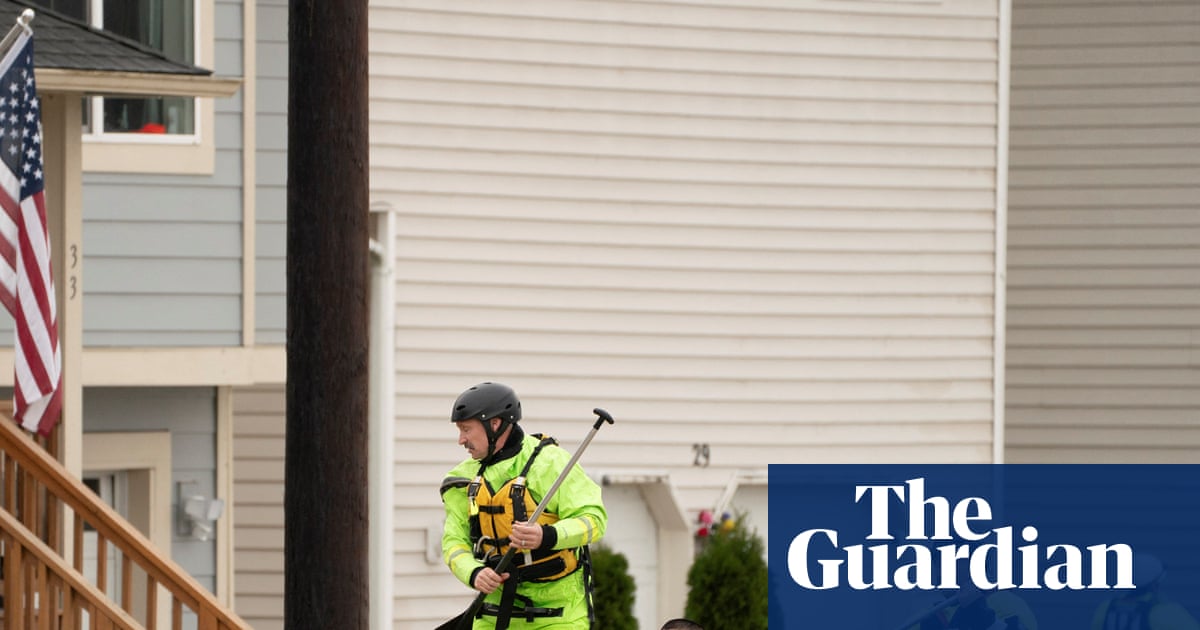
With Washington State declaring a state of emergency, the threat of flooding continues to loom over the Pacific Northwest. The Guardian's coverage emphasizes the ongoing risk and the need for immediate action to protect vulnerable areas. The declaration enables faster mobilization of resources and provides a framework for longer-term recovery and resilience building.
‘Nobody can get out’: KIRO Newsradio listeners share firsthand accounts of navigating historic floods

Firsthand accounts from residents caught in the floods reveal the harrowing experiences of those affected. The piece highlights the personal stories of struggle and survival, providing insight into the human element of this natural disaster. These narratives underscore the importance of community support and the challenges of emergency management in real-time crisis situations.
‘Godzilla atmospheric river’ targets Seattle area with major flooding and landslide threats

The so-called 'Godzilla atmospheric river' is responsible for the severe weather conditions currently battering the Seattle area. The atmospheric phenomenon has brought significant rainfall, leading to heightened risks of both flooding and landslides. The article details how these weather patterns are becoming more common due to climate change, posing ongoing threats to the region's safety and infrastructure.
Summit at Snoqualmie ski slopes bare after WA's atmospheric river storms
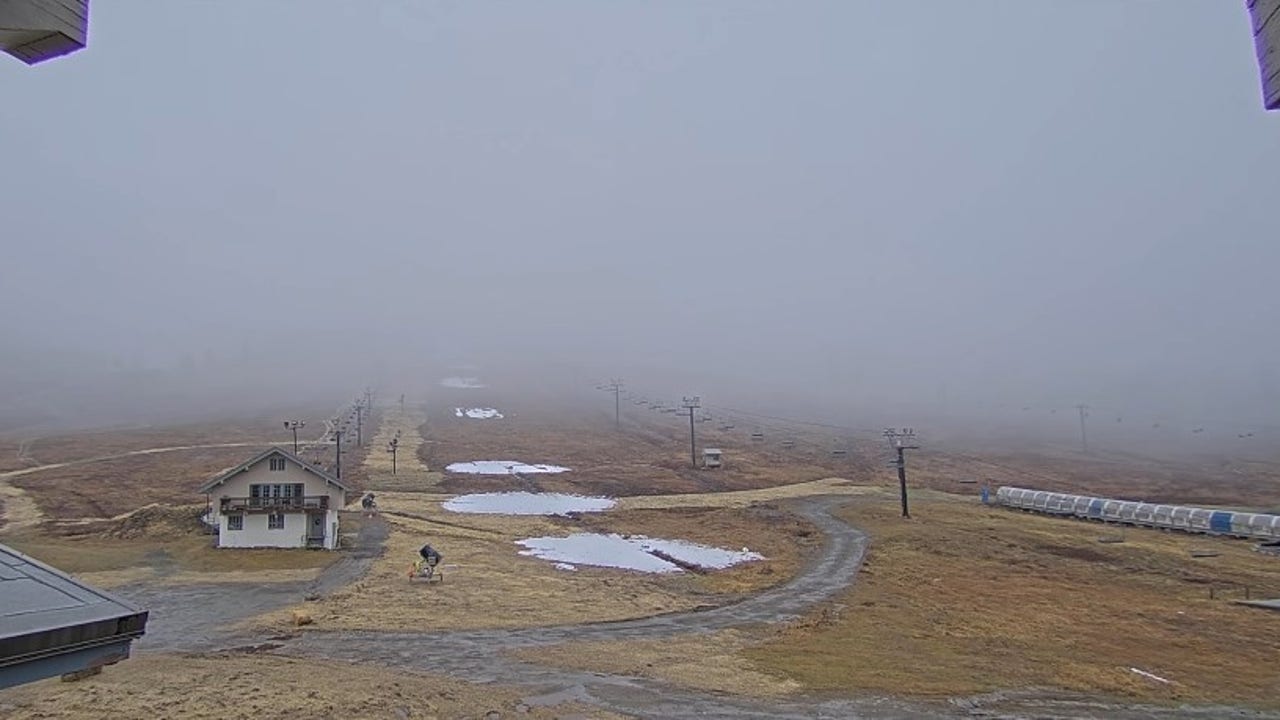
The intense storms have also taken a toll on Washington's winter sports, leaving ski slopes like those at Snoqualmie bare. This report examines the disruption to the local recreation industry and the broader economic impacts. As climate change alters weather patterns, the future of winter sports in the region remains uncertain, prompting discussions on adaptation and sustainability.
Mission Ridge closed for up to a week; Washington without any ski resorts again
Mission Ridge is among the ski resorts affected by the floods, forced to close for an extended period. This disruption highlights the vulnerability of Washington's winter recreation to erratic weather patterns. The closure serves as a reminder of the broader implications of climate change on local economies and the need for environmental resilience strategies.
Climate Change and Washington’s Winter Recreation

This article delves into the broader implications of climate change on Washington's winter recreation scene. It discusses how changing weather patterns, including reduced snowfall and increased flooding, are impacting ski resorts and related industries. The piece calls for a rethinking of economic strategies to adapt to these new realities.
Summary / Insights
The recent flooding in Washington State serves as a stark reminder of the growing challenges posed by climate change. From infrastructure damage to economic disruptions, the impacts are wide-reaching. As residents and authorities grapple with the immediate aftermath, there is an urgent need to focus on long-term resilience and adaptation strategies. This event underscores the critical importance of sustainable planning and the need to address the root causes of climate change to mitigate future risks.