
Connor Storrie and the ‘Heated Rivalry’ Moment: How a Cult Romance Became America’s Loudest TV Obsession
The sudden saturation of Connor Storrie across American media is not an accident, nor is it the result of a single viral clip. It is the product of a rare convergence: a romance series that arrived at exactly the right cultural moment, an audience primed for emotionally explicit storytelling, and a press cycle that expanded faster than the show itself. Together, they have turned Heated Rivalry into one of the most discussed entertainment properties in the U.S. this winter.
Main Topic Overview
At the center of the conversation is Connor Storrie, whose portrayal in Heated Rivalry has shifted him from relative obscurity into a full-scale cultural reference point. The series, adapted from a popular romance novel, initially circulated within established romance and queer fandoms. What followed was a rapid escalation: mainstream criticism, morning-show appearances, think pieces, and a growing debate about what audiences are actually responding to.
This is not the first time a romance-driven show has crossed over into the cultural mainstream. Past examples—from prestige cable dramas to streaming-era hits—suggest that when intimacy, character tension, and audience desire align, coverage quickly expands beyond entertainment pages into broader cultural commentary.
News Coverage
Women are feral for Heated Rivalry. What does that say about men?

The Guardian approaches the phenomenon sociologically, framing audience reaction as a reflection of unmet emotional expectations in mainstream portrayals of masculinity. Rather than focusing solely on Storrie, the piece situates the show within a longer history of romance narratives that allow male characters emotional vulnerability without punishment. The analysis suggests that the enthusiasm surrounding Heated Rivalry reveals more about audience fatigue with traditional male archetypes than about novelty alone. By connecting fandom response to cultural norms, the article broadens the discussion beyond television criticism.
TV Review | Let’s All Meet at the Boy Aquarium and Fall in Love with a Rivalry
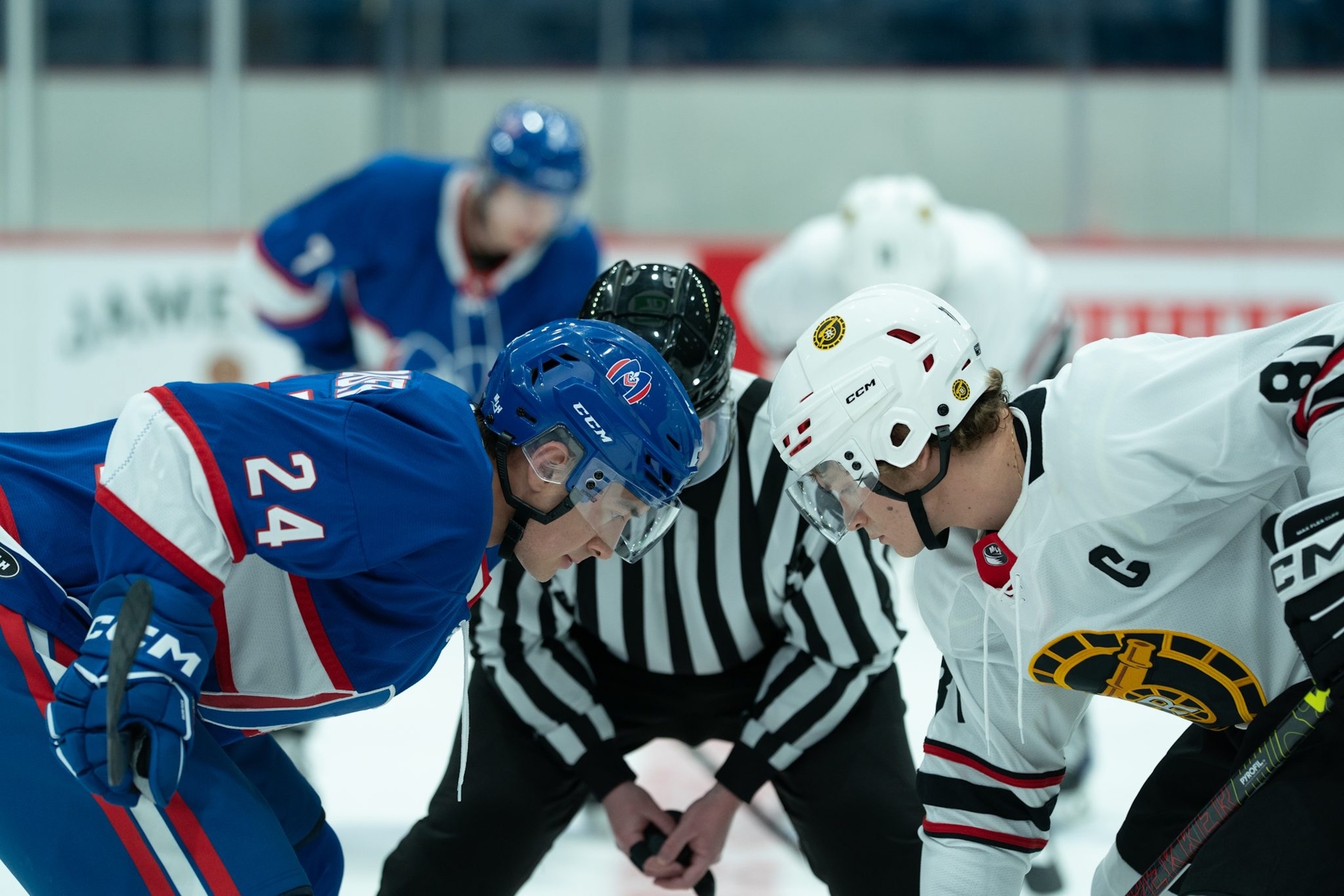
This review leans into tone and atmosphere, emphasizing how performance chemistry sustains tension across episodes. Connor Storrie’s work is framed as deliberately restrained, allowing small gestures to carry narrative weight. The critic notes that this restraint distinguishes the show from louder prestige dramas, helping explain its slow-burn appeal. In doing so, the review reinforces the idea that the series’ success lies as much in what it withholds as what it shows.
Why is America so horny for gay hockey jocks?

Vox frames the conversation through media history, linking Heated Rivalry to a lineage of sports narratives that combine physicality with emotional stakes. The article argues that the fascination is less about explicitness and more about permission—permission to depict desire without irony. Connor Storrie’s visibility becomes a case study in how certain archetypes, once marginalized, are now central to pop culture discussion. The piece positions the trend as part of a broader recalibration rather than a temporary obsession.
Connor Storrie Talks ‘Heated Rivalry’ Season Filming: EXCLUSIVE

In this interview-driven piece, Storrie himself offers a counterbalance to cultural speculation. He describes the production process as methodical rather than sensational, emphasizing collaboration and character consistency. The framing reinforces how mainstream platforms have embraced the show while carefully translating it for broad audiences. This shift from niche fandom to daytime television marks a key moment in the series’ expansion.
A Romance That Actually Takes Sex Seriously

The Atlantic situates Heated Rivalry within a broader critique of American television’s discomfort with intimacy. Rather than focusing on shock value, the article argues that the series treats sex as narrative infrastructure. Storrie’s performance is referenced as integral to this approach, grounding desire in character rather than spectacle. The analysis frames the show as corrective rather than provocative.
The Many Reasons Women Are Watching “Heated Rivalry”

This piece emphasizes multiplicity rather than a single explanation for the show’s reach. Audience motivations are framed as layered, combining performance, writing, and long-form storytelling. Storrie is discussed as part of an ensemble rather than a solitary breakout, reinforcing the idea that the phenomenon is collective. The analysis resists reducing the trend to a single demographic impulse.
The Delicious Anticipation–and, Yes, Release—of “Heated Rivalry”

The New Yorker frames the series as an exercise in pacing, arguing that anticipation itself is the primary pleasure. The article draws parallels to older serialized storytelling traditions, where delay was a feature rather than a flaw. Storrie’s role is examined through this lens, with attention paid to timing and restraint. The piece situates the show within a lineage of deliberately structured romance narratives.
How Much Longer Can Heated Rivalry Keep This Going?
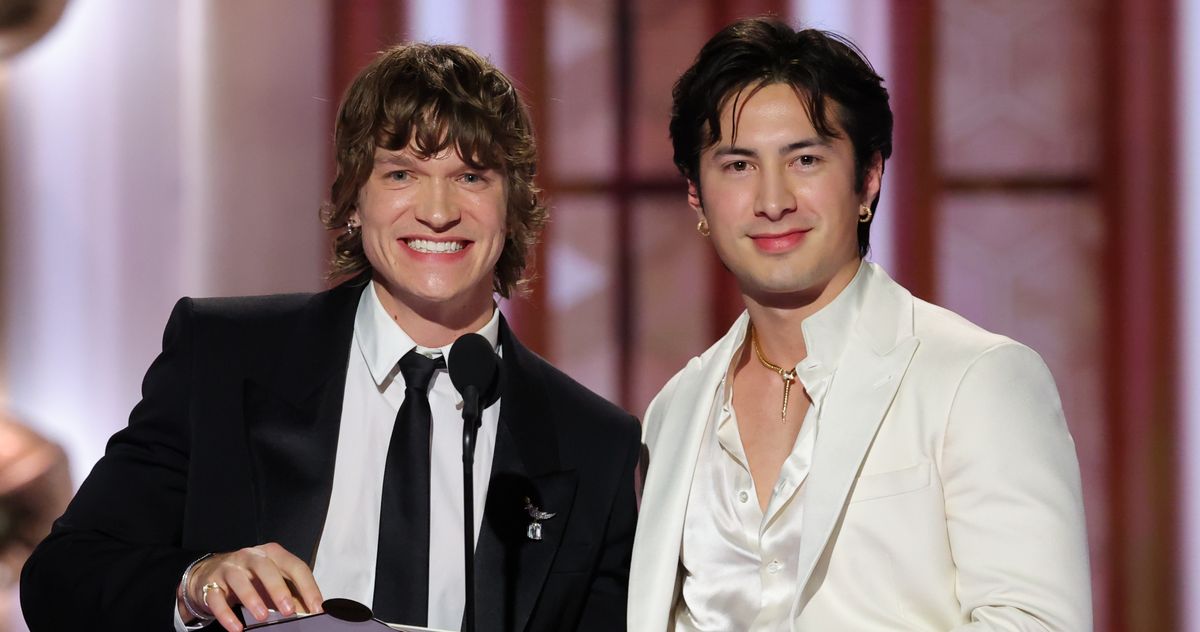
Vulture takes a more skeptical angle, questioning sustainability rather than quality. The article examines press saturation, audience appetite, and the risks of overexposure. Connor Storrie’s omnipresence becomes part of the analysis, used to explore how quickly enthusiasm can harden into fatigue. The piece contributes a necessary counterweight to largely celebratory coverage.
‘Heated Rivalry’ Star Connor Storrie Visits TODAY Show: Live Updates
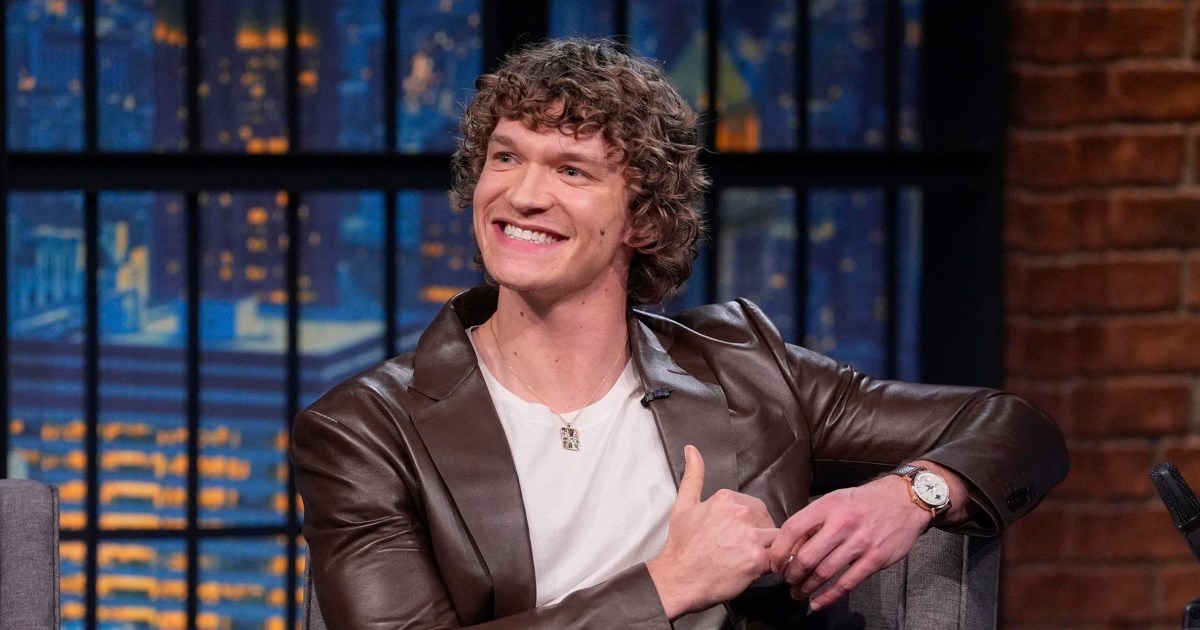
Live-blog coverage underscores how thoroughly the series has crossed into mainstream visibility. Storrie’s appearance is treated as an event rather than routine promotion. The framing highlights how entertainment news now unfolds in real time, blending fandom and journalism. This moment signals the peak of the current media cycle.
'Heated Rivalry' Star Connor Storrie Makes His 'Late Night' Debut in N.Y.C.
:strip_icc()/connor-storrie-seth-meyers-new-york-011326-caabd961153a4a54a772d123ab431117.jpg)
People’s coverage frames the moment through celebrity culture, emphasizing visibility and access. The article reflects how quickly Storrie has been absorbed into late-night and lifestyle media. This marks a familiar endpoint in breakout cycles, where artistic discussion gives way to celebrity normalization. The transition underscores the scale of the moment.
Summary / Insights
Taken together, the coverage reveals a layered phenomenon. Heated Rivalry functions simultaneously as romance, cultural mirror, and media event. Connor Storrie’s rise is inseparable from these dynamics, shaped as much by critical framing as by performance. Whether the intensity sustains or recedes, this moment illustrates how quickly contemporary entertainment can move from adaptation to cultural shorthand.
TL;DR: Connor Storrie’s breakout reflects more than star power—it captures a shifting appetite for emotionally direct storytelling in U.S. television.