Ryan Hurst Becomes Kratos: Why Prime Video’s ‘God of War’ Casting Is Making Waves
The announcement that Ryan Hurst will portray Kratos in Prime Video’s live-action God of War series quickly moved from breaking news to full-blown entertainment conversation. Across Hollywood trades, gaming outlets, and tech culture sites, coverage converged on one central question: why this casting choice makes sense—and why it matters. Together, these reports reveal a broader trend about how video game adaptations are redefining prestige television.
Main Topic Overview
God of War is one of the most influential video game franchises of the past two decades, known for its intense mythology, emotionally complex protagonist, and cinematic ambition. Prime Video’s decision to adapt it into a live-action series signals Amazon’s continued investment in game-based IP following mixed but high-profile results across the industry. Casting Ryan Hurst, already familiar to fans through his voice performance in God of War Ragnarök, places continuity and authenticity at the center of the adaptation strategy.
News Coverage
Ryan Hurst Cast As Kratos In Prime Video’s ‘God of War’

Deadline frames the casting as a major milestone for the series, emphasizing Amazon’s commitment to a high-profile, prestige adaptation. The report highlights Hurst’s physical presence and dramatic range as key factors, while also noting his prior connection to the franchise through voice work. Industry context is central here: Deadline positions the project as part of Prime Video’s broader push into large-scale genre storytelling. Rather than a risky experiment, the casting is presented as a calculated move grounded in familiarity and fan recognition.
Amazon Didn’t Have to Go Far to Find Its Live-Action Kratos

The Verge approaches the news from a culture-and-tech angle, focusing on how Amazon leveraged existing talent rather than searching externally. The article underscores the trend of cross-medium casting, where voice actors and performers transition into live-action roles for the same characters. By connecting this decision to broader entertainment workflows, The Verge suggests the move reflects efficiency as much as creative confidence. It frames the casting as emblematic of how modern franchises value internal continuity.
God of War Show Finds Its Kratos in Ragnarök Alum Ryan Hurst

IGN’s coverage centers on fan reaction and franchise history, noting how Hurst’s previous performance as Thor in Ragnarök shaped audience expectations. The article explores the symbolic weight of casting someone already embedded in the series’ modern era. Rather than treating the role as a reboot, IGN positions the show as an extension of the existing narrative legacy. This perspective reflects how gaming audiences increasingly expect adaptations to respect established canon.
‘God of War’ Live-Action Series Casts Ryan Hurst as Kratos

Variety contextualizes the casting within Hollywood’s ongoing relationship with video game adaptations. The article balances creative considerations with business realities, referencing Amazon’s competition with other streamers pursuing similar IP-driven projects. Hurst’s casting is described less as a surprise and more as a strategic alignment of talent and brand. Variety’s analysis points to how recognizable yet grounded actors are increasingly favored for franchise leads.
Ryan Hurst to Star in Prime Video’s ‘God of War’ Series

The Hollywood Reporter emphasizes production context, noting how the series fits into Prime Video’s long-term content roadmap. The article discusses the creative team’s intention to balance mythological spectacle with character-driven storytelling. Hurst’s casting is presented as supportive of that goal, given his history with emotionally complex roles. The coverage reinforces the idea that casting choices are being used to signal tone and ambition.
Thor Actor From God Of War Ragnarök Cast As Kratos In Live Action Series
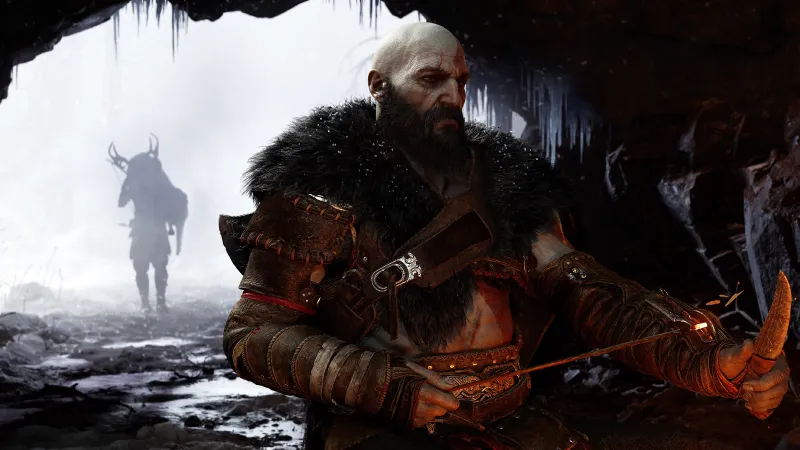
Game Informer connects the announcement directly to gaming culture, framing the casting as a bridge between players and television audiences. The article highlights how familiarity with the franchise’s tone and lore could reduce adaptation friction. By focusing on Hurst’s previous in-game role, Game Informer underscores the growing overlap between game development and screen production. This reflects a broader trend of adaptations leaning on insider knowledge.
Ryan Hurst Cast as Kratos for Live-Action God of War Show

Engadget situates the casting within the tech and streaming ecosystem, noting how Prime Video continues to compete for attention through recognizable franchises. The article explores how adaptations like God of War are increasingly treated as tentpole content rather than niche experiments. Hurst’s involvement is framed as part of a credibility-building process aimed at both gamers and general audiences. This dual appeal is central to the project’s expectations.
The Live-Action God of War TV Show Has Found Its Kratos
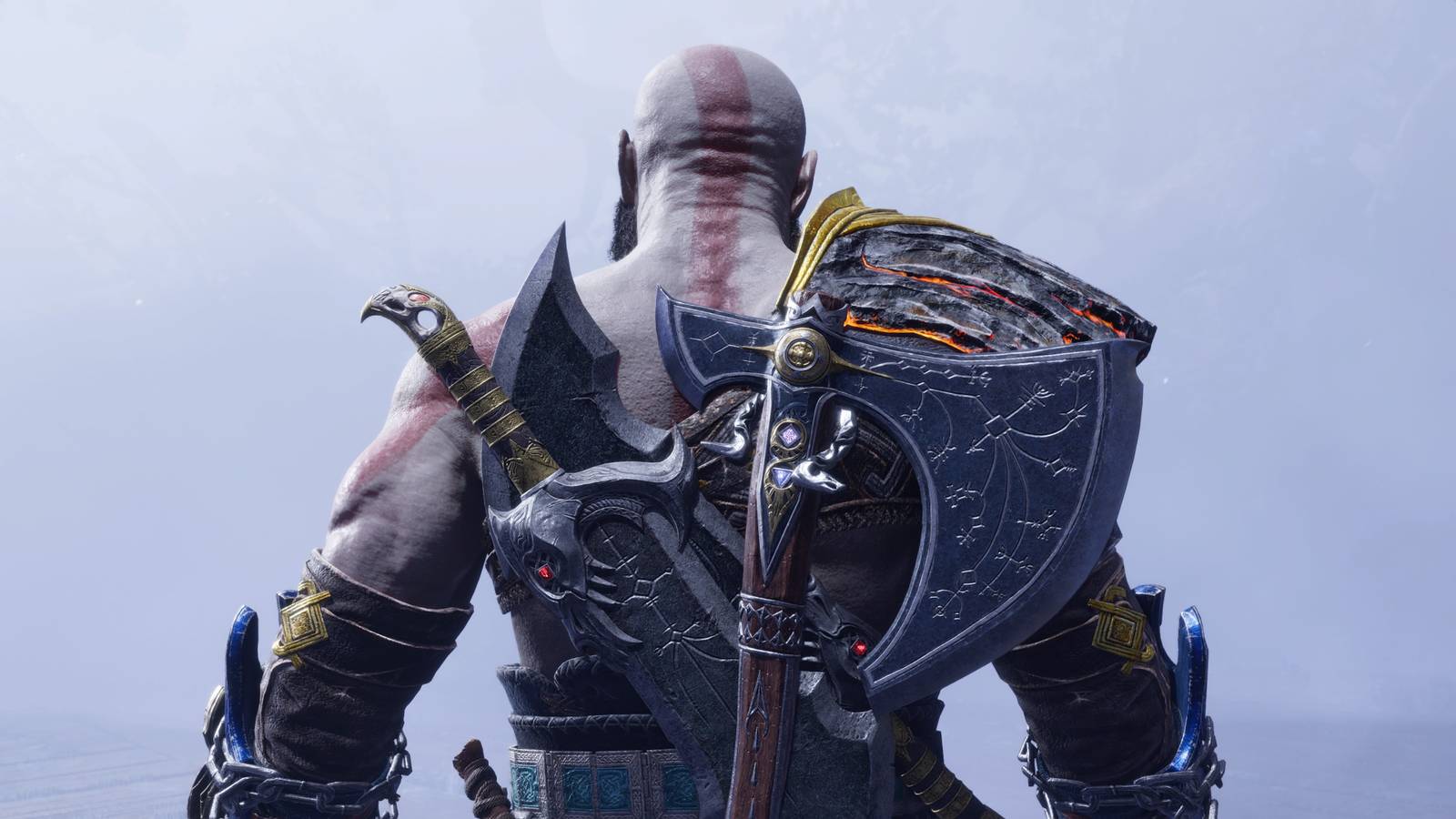
Polygon’s analysis leans into narrative implications, discussing what Hurst’s casting might signal about the show’s interpretation of Kratos. The article references past adaptation challenges and suggests this decision reflects lessons learned across the industry. By focusing on tone and character depth, Polygon highlights how adaptations are increasingly judged on emotional authenticity. The casting is framed as a foundational step rather than a standalone headline.
Summary / Insights
Across outlets, a consistent narrative emerges: Ryan Hurst’s casting is less about surprise and more about strategic continuity. Coverage emphasizes authenticity, franchise familiarity, and Amazon’s broader ambitions in prestige genre television. While perspectives vary—ranging from business strategy to fan culture—the underlying theme is confidence in leveraging existing connections to reduce adaptation risk. The story reflects a wider shift in how major studios approach video game properties, treating them as long-term narrative ecosystems rather than one-off experiments.
TL;DR
Ryan Hurst has been cast as Kratos in Prime Video’s God of War series. Coverage across major outlets frames the decision as a strategic, continuity-driven move that aligns gaming authenticity with streaming ambitions.